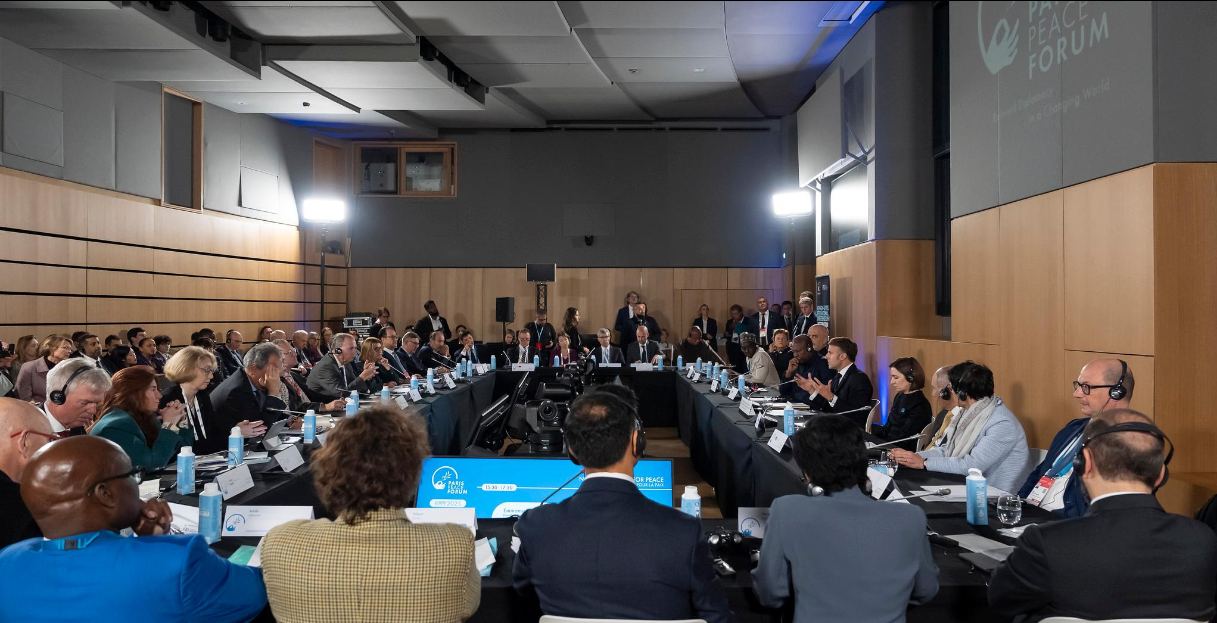
The Paris Peace Forum 2026 marked a turning point in African diplomacy, with Senegal and Benin stepping into the global spotlight to champion new strategies for influence, sovereignty, and innovation.
Paris becomes the stage for Africa’s bold diplomatic shift
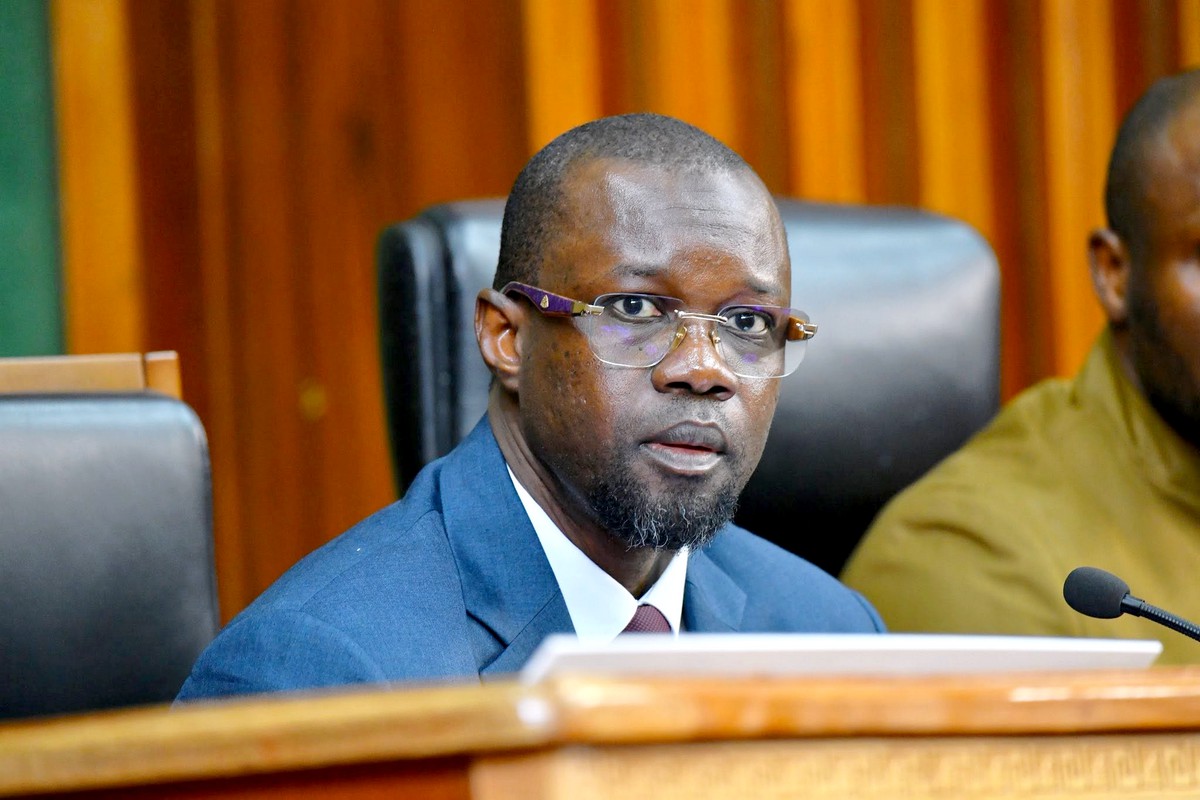
The ninth edition of the Paris Peace Forum, held November 10-11, 2026, transformed the French capital into a global arena where African voices took center stage. Among the key participants were Senegal’s President Bassirou Diomaye Faye and Benin’s Minister of Digital Transformation and Innovation Mahuna Akplogan. Their high-profile presence underscored a growing continental ambition: to move beyond passive participation and actively shape the discourse on international peace, governance, and sovereignty.
In a world grappling with armed conflicts, geopolitical tensions, and rapid technological disruption, the forum served as a critical platform for redefining Africa’s role in global decision-making. The stakes were clear—security in the Sahel, digital sovereignty, and equitable economic partnerships were no longer topics to be dictated by external powers.
Senegal’s diplomatic momentum: shaping global solutions from Dakar
President Faye’s visit to Paris was more than a symbolic gesture. It represented a strategic pivot in Senegal’s foreign policy, emphasizing national priorities in international affairs. The meeting with French President Emmanuel Macron at the Élysée Palace set the tone for deeper bilateral cooperation, particularly on issues of mutual sovereignty and economic respect.
For Dakar, the forum was an opportunity to elevate African concerns, including:
- Security in the Sahel and West Africa: Addressing terrorism and regional stability through African-led solutions.
- Development financing: Pushing for fairer access to global funds and debt relief.
- Global governance reform: Advocating for African representation in major international institutions.
The message was unmistakable—Senegal is no longer content with being a spectator. It is actively co-designing the frameworks that will shape the continent’s future.
Benin’s digital sovereignty drive: rewriting Africa’s tech future
While Senegal focused on geopolitical influence, Benin brought a transformative agenda to the forum: digital sovereignty. Represented by Mahuna Akplogan, the country highlighted how technology and artificial intelligence are reshaping the power dynamics between nations.
The discussion centered on a critical question: How can African nations avoid technological dependency? Benin’s leadership in AI and digital innovation positions it as a pioneer in the race for self-determination in the digital age. The stakes are high—mastery of data, infrastructure, and emerging technologies could redefine Africa’s economic and political influence on the world stage.
For Akplogan, the forum was a chance to showcase how Benin’s National AI Strategy aligns with broader continental goals: fostering innovation, attracting investment, and ensuring that technological progress serves African priorities, not external interests.
Global stage, African solutions: why this forum matters
The Paris Peace Forum 2026 wasn’t just another gathering of world leaders—it was a litmus test for Africa’s growing confidence. Beyond Senegal and Benin, delegations from Timor-Leste, Lithuania, Slovakia, Bulgaria, North Macedonia, and Serbia, among others, reflected the forum’s truly global scope. Yet, Africa’s participation stood out for its forward-looking agenda.
The continent’s appeal lies in its untapped potential:
- A young, dynamic population driving innovation.
- Strategic natural resources and renewable energy capabilities.
- Economic growth that increasingly captures global attention.
But potential alone isn’t enough. Africa’s leaders at the forum emphasized a need for actionable outcomes—tangible partnerships, sustainable investments, and a seat at the table where global policies are made. The Paris Peace Forum became the proving ground for these ambitions.
From dialogue to decisive impact: what’s next for Africa?
The real test lies in translating the momentum of Paris into real change. For both Senegal and Benin, the challenge is twofold:
- Sustaining diplomatic pressure: Ensuring that African voices influence critical global decisions beyond the forum.
- Implementing digital and economic strategies: Turning policy ambitions into concrete advancements in technology, infrastructure, and governance.
The Paris Peace Forum 2026 may have been a turning point, but it’s one chapter in a much larger story. Africa is no longer waiting for invitations—it’s inviting the world to a new era of cooperation, one built on equality, innovation, and shared prosperity.
For Senegal and Benin, the message is clear: the future of global peace, governance, and technology cannot be shaped without Africa at the helm.