The diplomatic landscape of the Sahel is shifting as Niger pushes back against perceived overreach by the European Union following comments on Algeria’s military presence within its borders. A decisive moment has arrived as Niamey asserts its right to sovereign decisions while engaging in a high-stakes dialogue over regional security cooperation.
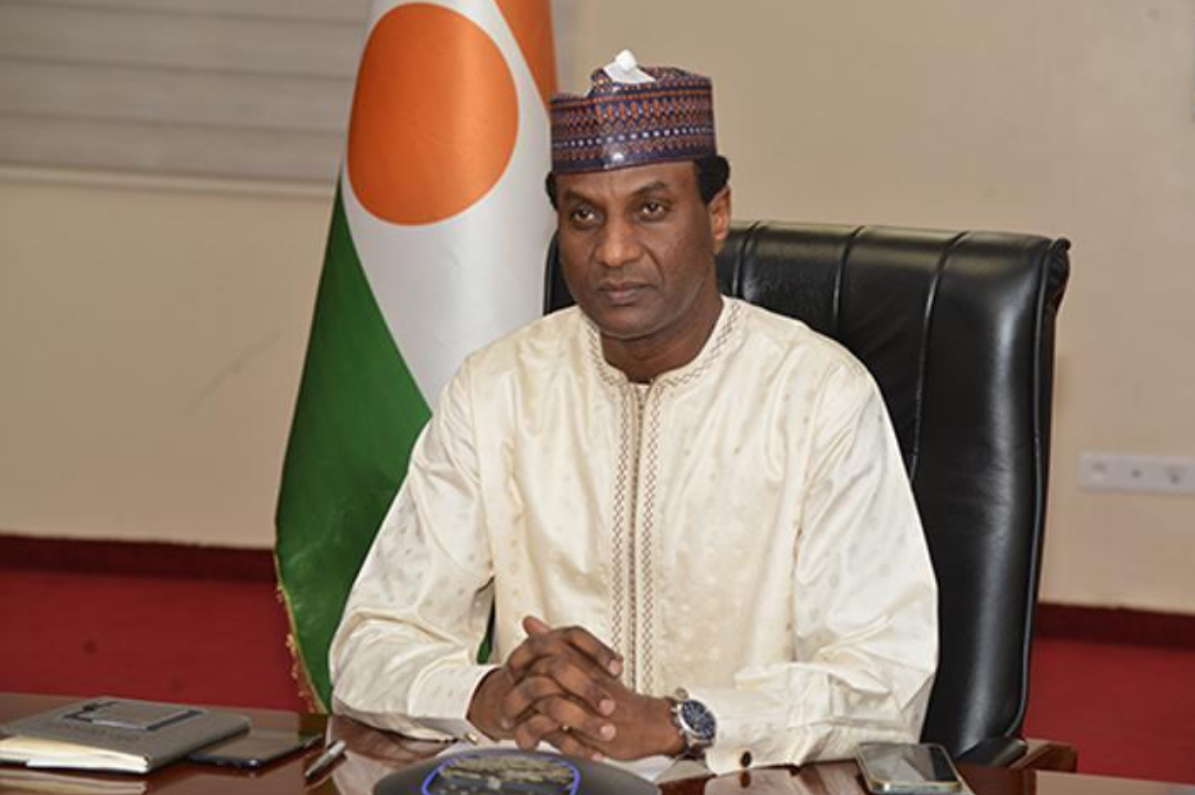
At the heart of this turning point is a formal summoning of the EU’s chargé d’affaires in Niger to the office of Prime Minister Ali Mahamane Lamine Zeine. The move came shortly after European officials raised questions about the deployment of Algerian troops, demanding clarity on mission objectives, legal frameworks, and regional implications—a request that authorities in Niamey deemed both condescending and unacceptable.
Sovereignty vs. diplomatic curiosity: where is the line drawn?
The Nigerien government has made one thing abundantly clear: while it welcomes partnerships like the Algeria-Niger military cooperation, it rejects any suggestion that such agreements fall under external scrutiny. Under international law, particularly the UN Charter’s Article 2(7), states retain full authority over their security arrangements. No external actor, including the EU, holds the power to approve or veto bilateral defense accords.
Yet, the right to express concerns remains an essential tool of diplomacy. The European Union is not overstepping when it seeks transparency on military movements that could have cross-border repercussions. Questions raised by Brussels do not constitute interference—provided they stem from genuine concern for stability rather than a bid to dictate policy.
Consider this: if the Sahel’s escalating security crisis were to spill beyond national borders, wouldn’t regional partners have a legitimate interest in understanding how such deployments are structured and governed? The issue is not whether Algeria or Niger can deploy troops, but whether their actions align with international norms and do not inadvertently fuel tensions.
Security concerns that demand answers
The geopolitical stakes are high. Terrorist factions, arms trafficking, and fragile governance in the Sahel have created a powder keg where even a minor misstep could destabilize entire nations. Against this backdrop, the EU’s inquiries—while not binding—highlight key questions:
- What is the exact mandate of the Algerian troops operating in Niger?
- Which legal framework governs their presence?
- How will their chain of command integrate with Nigerien forces?
- Are there regional consultation mechanisms in place to prevent unintended conflicts?
These are not intrusive demands. They are logical steps toward preventing misunderstandings that could escalate into broader crises. Moreover, they reflect the reality that security challenges in the Sahel transcend individual nations. A spillover effect from Niger could ripple across Mali, Burkina Faso, or even further west—making collective vigilance a necessity.
Diplomacy in action: tone matters as much as intent
Niger’s response—summoning the EU envoy—was a bold statement of sovereignty. But diplomacy is a two-way street. While Niamey has every right to defend its autonomy, Brussels also has the prerogative to voice its perspective, provided it does so with respect and nuance. The tone of communication can either de-escalate tensions or escalate them unnecessarily.
Historically, African-EU relations have been marked by moments of friction followed by constructive dialogue. This instance could follow the same path if both sides recognize that:
- Sovereignty and transparency are not mutually exclusive.
- Expressing concerns is not synonymous with imposing conditions.
- Engagement in good faith fosters mutual trust.
The EU is not demanding control over Niger’s military decisions. It is asking for clarity—a reasonable expectation in any partnership. Similarly, Niger is not rejecting cooperation but insisting on being treated as an equal actor, not a subordinate.
A turning point for Sahel diplomacy?
This diplomatic exchange could mark a turning point in how the EU engages with African partners on security matters. It underscores a crucial lesson: mutual respect in diplomacy requires acknowledging three truths:
- No sovereignty is absolute. While Niger sets its own defense policies, it operates within a regional and global context where actions have consequences.
- Transparency builds trust. Without clear communication, suspicion flourishes—a dangerous dynamic in an already volatile region.
- Shared challenges require shared solutions. If the Sahel is to stabilize, cooperation must be based on honesty, not coercion.
Niamey’s stance sends a strong message: Africa is charting its own path in security matters. Yet, the journey forward must balance assertiveness with openness. The EU, for its part, would do well to frame its inquiries less as queries and more as collaborative problem-solving—because the real enemy is instability, and it cannot be defeated through confrontation.
What comes next?
The ball is now in both courts. Niger will decide how firmly it asserts its autonomy while maintaining channels for dialogue. The European Union must weigh its words carefully—choosing diplomacy over lecturing if it hopes to preserve its influence and credibility in the region. The stakes are too high for posturing; the Sahel needs cooperation, not clashes.
For now, one thing is certain: this moment is not just about a single troop deployment or a diplomatic summoning. It is about redefining the rules of engagement between Africa and Europe in an era where shared threats demand shared responsibility.