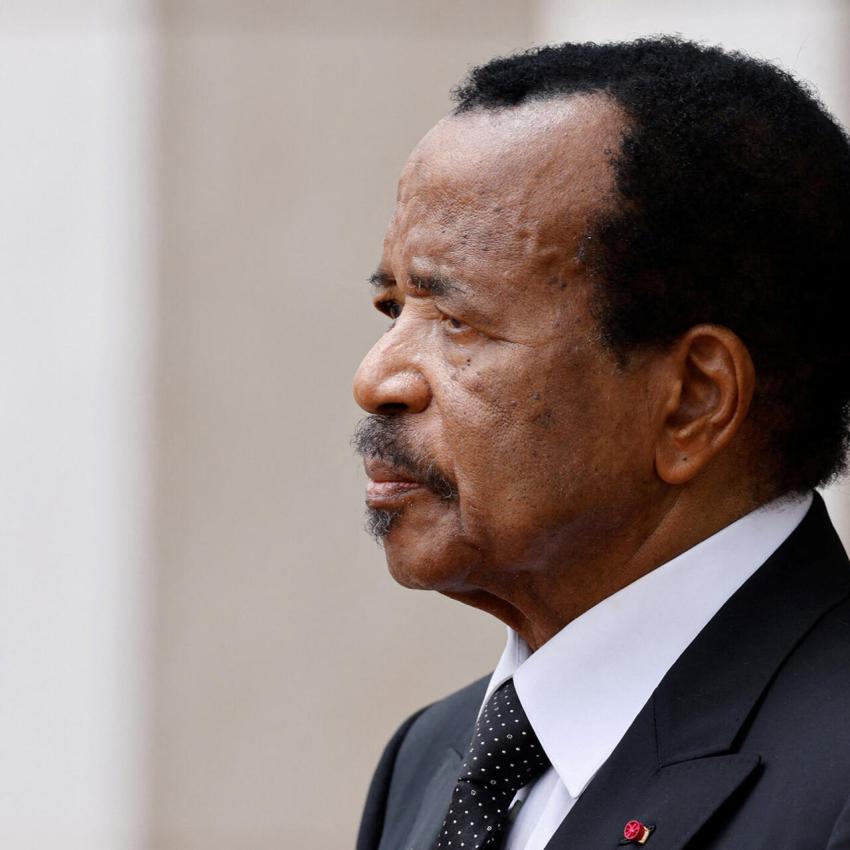
Cameroon’s electoral landscape is set for a pivotal moment as President Paul Biya signed a decree on November 9, 2026, officially scheduling the country’s legislative and municipal elections for Sunday, February 7, 2027. The vote will determine 180 seats in the National Assembly and all municipal councilors nationwide, marking the end of years of uncertainty over the electoral calendar.
Ending Years of Delays and Political Tension
The announcement brings closure to a drawn-out process of repeated postponements, parliamentary extensions, and heated debates among political stakeholders. The current lawmakers, elected in February 2020, represent the ruling Rassemblement démocratique du peuple camerounais (RDPC), which secured 152 seats, cementing its dominance in the assembly at Ngoa-Ekelle.
The elections had initially been planned for early 2025 but were deferred multiple times to avoid an election overload. The presidential vote in October 2025 was cited as a key reason, along with logistical and financial constraints. The timeline of delays unfolded in two major parliamentary extensions:
- In July 2024, lawmakers approved a one-year extension, pushing the vote to March 30, 2026.
- By March 2026, another extension was approved, delaying the legislative election until December 20, 2026.
- Concurrently, presidential decrees adjusted municipal mandates, extending them until February 28, 2027.
By selecting February 7, 2027, the government aligns with the electoral code’s 90-day notification requirement, providing political actors with a firm deadline to prepare.
ELECAM Faces a Massive Operational Challenge
With elections confirmed, Elections Cameroon (ELECAM), led by Enow Abrams Egbe, now faces a tight schedule to finalize voter roll clean-up, deploy logistics across the country’s ten regions, and train polling station staff. Ensuring transparency and efficiency will be critical to maintaining public confidence in the process.
Opposition and Ruling Party Prepare for High-Stakes Battles
The 2027 elections are more than a routine vote—they represent a high-stakes contest shaping Cameroon’s political future. Key challenges include:
- Local power shifts: Many municipal leaders face public dissatisfaction over basic service delivery, road maintenance, and decentralized budget management.
- Parliamentary seat battles: Opposition parties including the Movement for the Rebirth of Cameroon (MRC), Social Democratic Front (SDF), and Progressive Movement of the National Renaissance (PCRN) are mobilizing to challenge RDPC’s majority.
- Post-presidential legitimacy test: This vote will serve as a referendum on political forces after the 2025 presidential election, redrawing Cameroon’s political map for the next five years.
What’s Next?
As Cameroon prepares for its most significant electoral moment in years, all eyes are on ELECAM’s readiness and the strategies of both ruling and opposition forces. With the February 7, 2027 date now set, the countdown to one of the most consequential double elections in recent history has begun.