Senegal’s diplomatic push to stabilize Guinea-Bissau ahead of constitutional vote
A high-level Senegalese delegation engaged with Guinea-Bissau’s military leadership on Thursday to outline a transition roadmap before the country’s late-August constitutional referendum.
Dakar has taken a proactive step in regional diplomacy. Following a mandate from West African leaders to resolve Guinea-Bissau’s institutional deadlock, Senegalese officials traveled to Bissau on Thursday to initiate high-level talks with the transitional military government. The primary objective of this engagement is to establish a structured negotiation framework and pave the way for the restoration of civilian rule.
Anchoring the transition in regional consensus
The visit marks a pivotal moment in West Africa’s collective effort to restore constitutional order. Since July’s regional summit in Freetown, the Economic Community of West African States (ECOWAS) has entrusted Senegal with spearheading mediation efforts in Guinea-Bissau. This mission represents the first high-level diplomatic engagement since that landmark meeting.
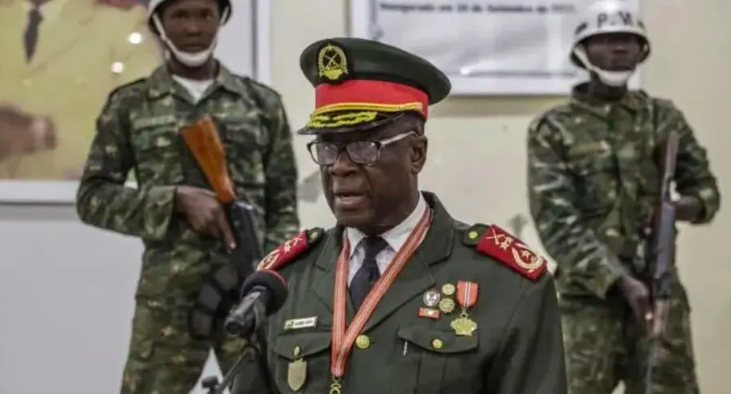
The Senegalese delegation, led by Foreign Minister Cheikh Niang and accompanied by Defense Minister Yankoba Diémé, met with Guinea-Bissau’s transitional leader, General Horta Ntam. During the meeting, Minister Niang unveiled the core elements of the regional initiative, designed to support Guinea-Bissau’s return to constitutional rule and facilitate credible elections.
Phased approach to political normalization
Following the closed-door discussions, Minister Niang outlined a multi-phase mediation strategy aimed at ensuring a smooth transition toward elections. Both parties agreed to maintain regular contact to finalize the official launch of negotiations in the coming weeks.
Guinea-Bissau’s political landscape has been in turmoil since the military takeover of November 26, 2025, which resulted in the abrupt removal of President Umaro Sissoco Embalo and the immediate suspension of electoral processes. To break the institutional freeze, the transitional authorities are advancing legal preparations for a major vote. A constitutional referendum, scheduled for August 30, 2026, will serve as the first tangible step in a process closely monitored by the international community.