The wheels of Senegalese democracy have just turned a decisive corner with the formal launch of the Committee for Public Policy Evaluation (CPPE). This landmark institution, operational since , embodies a long-awaited promise from the 2016 constitutional review—ushering in a new era of transparency and accountability in government spending.
The CPPE stands apart from typical parliamentary bodies. Its core mission: to rigorously assess how state investments directly impact the daily lives of Senegalese citizens. The committee will design evaluation frameworks, conduct audits, and monitor the implementation of public policies across critical sectors. Most importantly, it gives lawmakers a powerful tool to scrutinize whether taxpayer funds are being deployed with maximum efficiency and complete transparency.
Membership of the CPPE reflects the pluralistic nature of Senegal’s political landscape. Its governing council brings together the National Assembly President, parliamentary group leaders, heads of all 14 standing commissions, independent deputies, and nine additional members selected proportionally to reflect each party’s parliamentary strength. This inclusive structure ensures both majority and opposition voices contribute to holding the executive branch accountable.
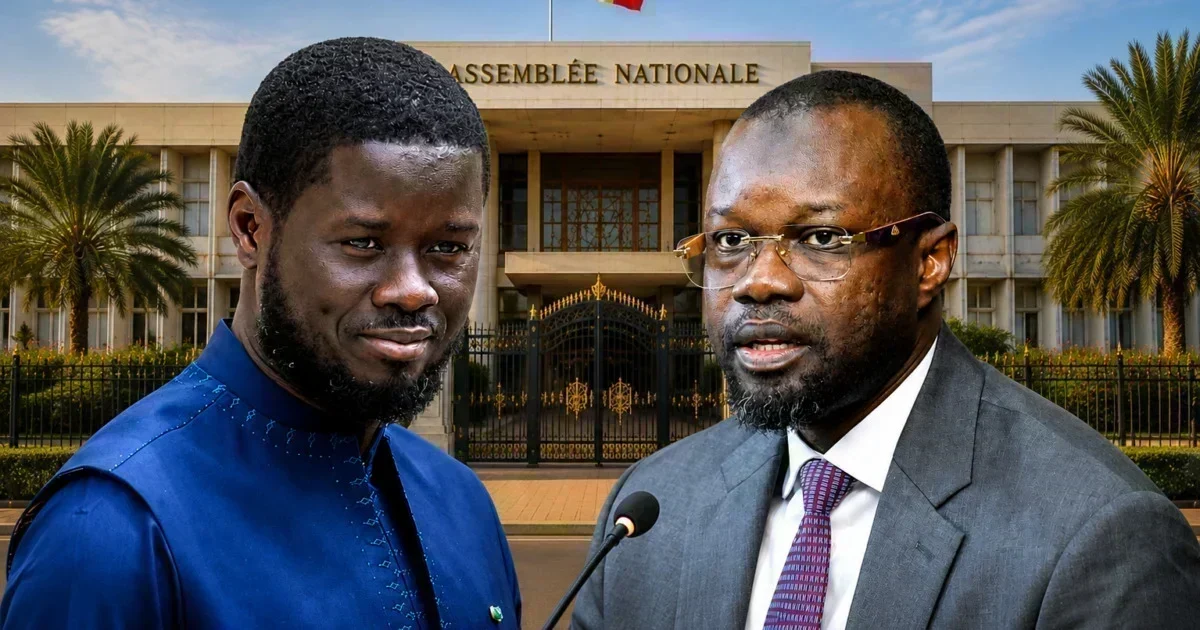
Sonko assumes helm of the oversight committee
At the committee’s inaugural session, delegates elected its leadership team to steer the institution’s early initiatives. As anticipated, Ousmane Sonko, President of the National Assembly, was appointed chair—a move that underscores his central role in this governance reform. He will be supported by Mohamed Sall as first vice chair and Djimo Souaré as second vice chair. Administrative oversight and report drafting duties fall to Béatrice Germaine Faye (first secretary) and Adama Diallo (second secretary).
With leadership now in place, the CPPE faces immediate pressure to deliver tangible results. Citizens are particularly eager for the committee’s first evaluations on priority areas including healthcare, education, and economic development. The coming months will reveal whether this bold experiment in parliamentary oversight can reshape Senegal’s governance culture.