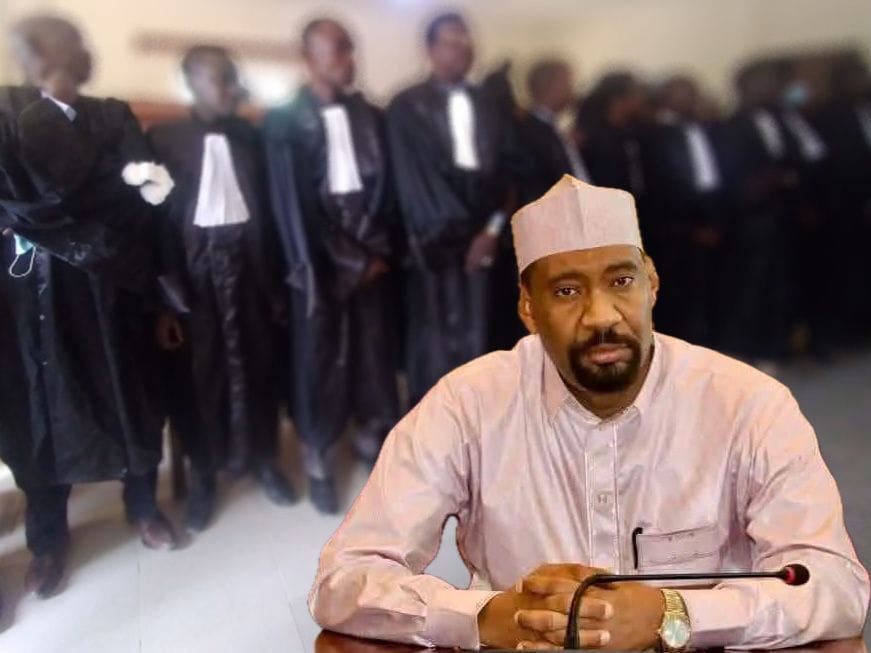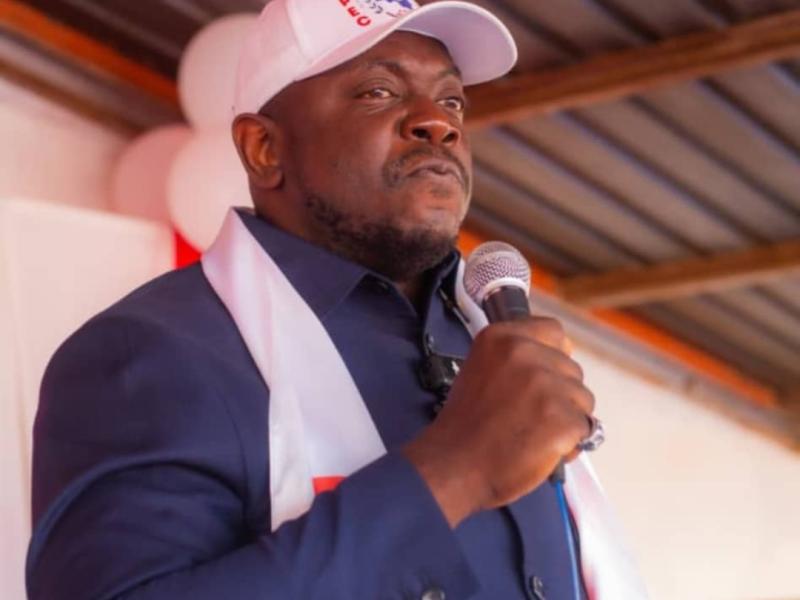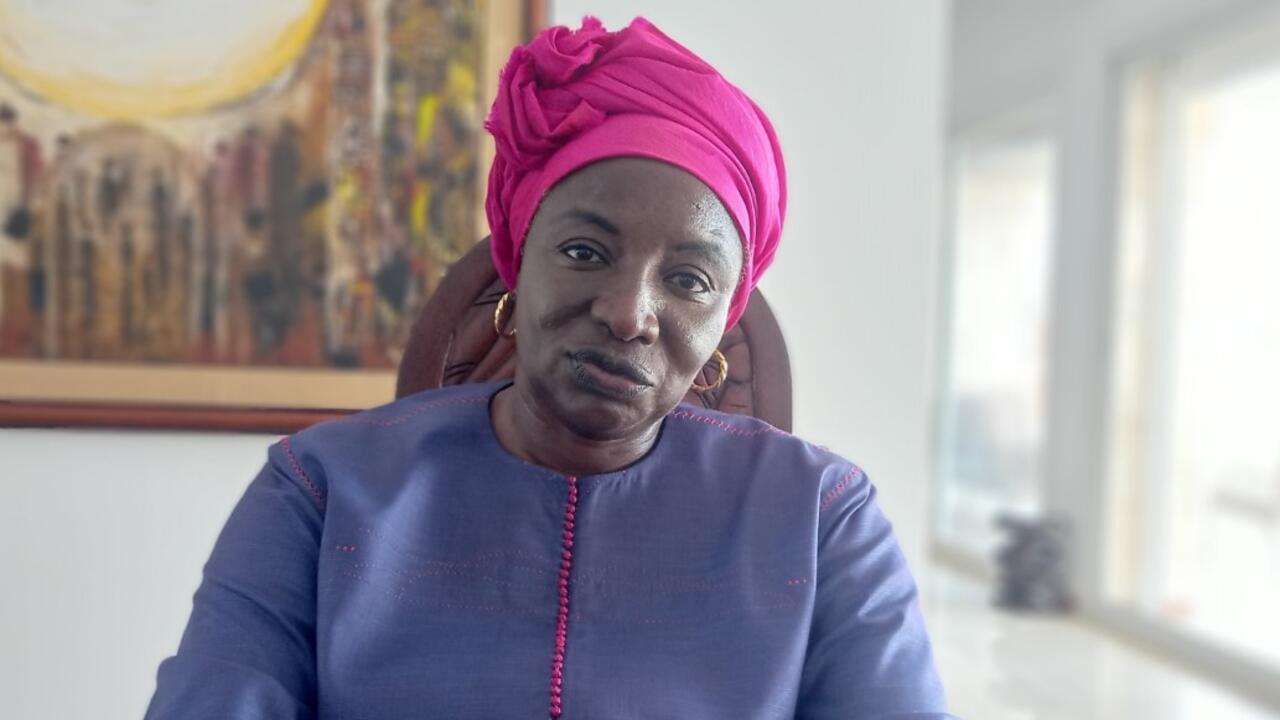
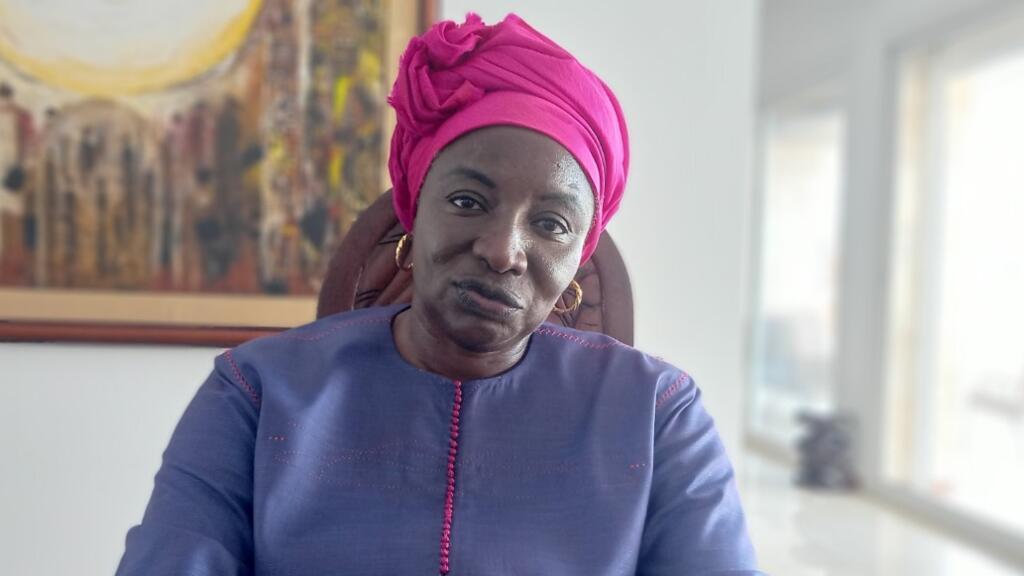
The recent reshuffle in Senegal’s government, led by Prime Minister Ahmadou Al Aminou Mohamed Lô, has sparked significant debate. With thirty ministers appointed, the new cabinet includes technocrats and allies of President Bassirou Diomaye Faye, but notably excludes key figures from the Pastef party, whose leader, Ousmane Sonko, has declined participation. This exclusion underscores a growing divide between President Faye and Sonko, despite Faye’s own Pastef affiliation. Aminata Touré, the influential supervisor of the Diomaye Président coalition, addresses these developments as the featured guest in this exclusive interview from Dakar.
government formation sparks political tensions
In response to queries about the legitimacy of the newly formed thirty-minister cabinet—comprising technocrats and Pastef members but notably lacking influential party figures—Aminata Touré emphasizes the democratic foundations of the process. Bassirou Diomaye Faye, she argues, was democratically elected by Senegalese citizens and retains the constitutional authority to appoint a Prime Minister, who in turn proposes the government structure. Touré frames the cabinet as a pragmatic choice, driven by the urgent need to address pressing national priorities rather than political posturing.
cohabitation challenges and institutional roles
With the Pastef party holding a majority in the National Assembly under Ousmane Sonko, concerns have emerged about the potential for governance challenges in this evolving cohabitation scenario. Touré dismisses these fears, highlighting that President Faye is himself a member of Pastef, and several ministers in the new cabinet share party affiliation. The key to stability, she asserts, lies in mutual respect for institutional mandates and prioritizing Senegal’s interests above partisan disputes. “We cannot afford endless domestic conflicts,” she warns. “Each institution—the Assembly, the executive, the judiciary—must fulfill its role, including the Constitutional Council, which will review the constitutionality of laws. This is what Senegalese citizens expect, and they will judge the outcomes accordingly.”
accountability and political integrity
Questions have also been raised about the perceived lack of firmness in accountability measures, with reports of disagreements between Sonko and Faye over how to handle political ethics. Touré firmly rejects the notion that this government signals a retreat from the moralization of political life promised by Pastef. Accountability is not synonymous with settling scores, she clarifies. Drawing on her experience as former Minister of Justice, she distinguishes between judicial accountability and political vendettas. “The president remains unwavering in his commitment to accountability,” she states, “but not to political witch hunts.”
economic policy and debt restructuring
The new government’s stance on debt restructuring—particularly regarding negotiations with the International Monetary Fund—has also come under scrutiny. Touré approaches this issue pragmatically, framing it as a necessity rather than an ideological stance. “Debt is a practical reality,” she explains. “If you owe money to creditors and struggle to repay, restructuring becomes inevitable.” However, she cautions against repeating past mistakes, such as the structural adjustments of the 1980s, which led to severe social cutbacks and prolonged economic hardship. “We must engage in reprofiling discussions with partners, ensuring that any strategy is sustainable for both the country and its people.”
electoral ambitions and national unity
Speculation abounds regarding the Pastef party’s refusal to participate in the government, with some suggesting it could be a strategic move to undermine Faye’s administration in favor of Sonko’s 2029 presidential ambitions. Touré dismisses these claims, framing electoral competition as a natural part of democracy. Both Sonko and Faye have legitimate aspirations to lead, she acknowledges. However, she stresses that the immediate focus must remain on addressing the pressing needs of the Senegalese people. “Endless campaigning would betray the electorate’s trust,” she argues. “What they demand now is decisive action to resolve their challenges. The electoral process will unfold in due course.”
Ultimately, the path forward hinges on a shared commitment to democracy and national progress. “We must let democracy function,” she concludes. “Differences in opinion are inevitable, but the overarching goal must be the advancement of Senegal.”