In a strategic pivot that has reshaped regional power dynamics, Turkey has quietly emerged as Mali’s leading arms supplier, overtaking traditional partners in just a few years. Since 2024, defense equipment and ammunition have become Ankara’s top export to Bamako, marking a decisive shift in the Sahel’s geopolitical landscape. This rise coincides with Mali’s military-led transition, where urgent security needs have reshaped foreign partnerships in favor of less conditional alternatives.
Turkey’s commercial expansion aligned with Mali’s security priorities
The surge in bilateral trade—more than tripling over the past decade—reflects a deliberate Turkish strategy rather than opportunistic opportunism. While Western partners have scaled back engagement, Mali has found in Ankara a reliable supplier that avoids the political constraints of traditional allies. The composition of trade reveals a clear focus: since 2024, arms have dethroned manufactured goods to become Turkey’s leading export to Mali, mirroring Bamako’s urgent need to rebuild its armed forces amid a persistent jihadist insurgency and fractured historical alliances.
The shift underscores a deeper partnership. Mali’s military leadership, consolidating power after successive coups, has prioritized rearming its forces while redefining operational doctrine. Turkey’s role extends beyond mere arms sales, embedding itself across key sectors—from construction and aviation to religious education through the Maarif Foundation—creating a sustainable presence that avoids the volatility of purely transactional relationships.
Bayraktar drones anchor Ankara’s discreet influence in the Sahel
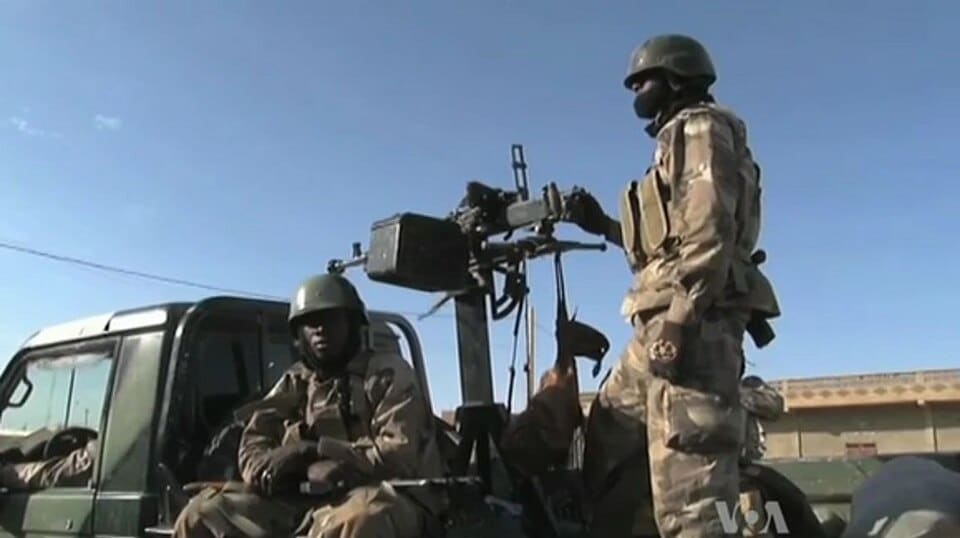
At the heart of this military cooperation are the Bayraktar combat drones, produced by the Turkish firm Baykar. Already tested in conflicts from Libya to Ukraine, these systems have become a cornerstone of Bamako’s counterinsurgency efforts. For a country facing mobile and dispersed armed groups across a territory twice the size of metropolitan France, the drones provide critical aerial capability without the political baggage of other foreign partners.
But Ankara’s strategy goes beyond hard power. By investing in civil aviation, education, and logistics, Turkey cultivates a soft power presence that avoids direct confrontation with rival actors. Unlike Russia, whose Africa Corps operates openly alongside Malian forces, Turkey’s approach is incremental, sectoral, and designed to endure. This method ensures lasting influence without the risks of overreach or dependency.
A geopolitical balancing act that sidesteps regional rivalries
Turkey’s ability to navigate competing interests sets it apart in the Sahel. While engaging with the juntas of the Alliance of Sahel States (AES), Ankara maintains open channels with ECOWAS member states, preserving diplomatic flexibility rare among foreign powers. This adaptability contrasts with the rigid postures of European capitals, which have been forced to take sides following Mali’s 2020, 2021, and 2023 coups.
Yet the economic equation remains lopsided. Mali’s exports to Turkey—primarily agricultural commodities—are dwarfed by imports of machinery, construction materials, and now defense systems. As gold revenues are increasingly diverted to fund military operations and social programs, questions arise about the long-term sustainability of this partnership. Still, for Bamako, Turkey offers a pragmatic alternative: a supplier that avoids Western-style conditionality while counterbalancing dependence on Moscow.
Ultimately, Turkey’s strategy in Mali is not just about arms—it’s about building a lasting footprint. By integrating military support with industrial, educational, and logistical investments, Ankara is crafting a presence that is politically low-cost, financially resilient, and difficult to reverse. For Bamako, this diversification provides a critical buffer against isolation, without reintroducing the constraints of traditional partners. In the Sahel’s shifting balance of power, this quiet but deliberate engagement may prove one of the most enduring relationships of the decade.