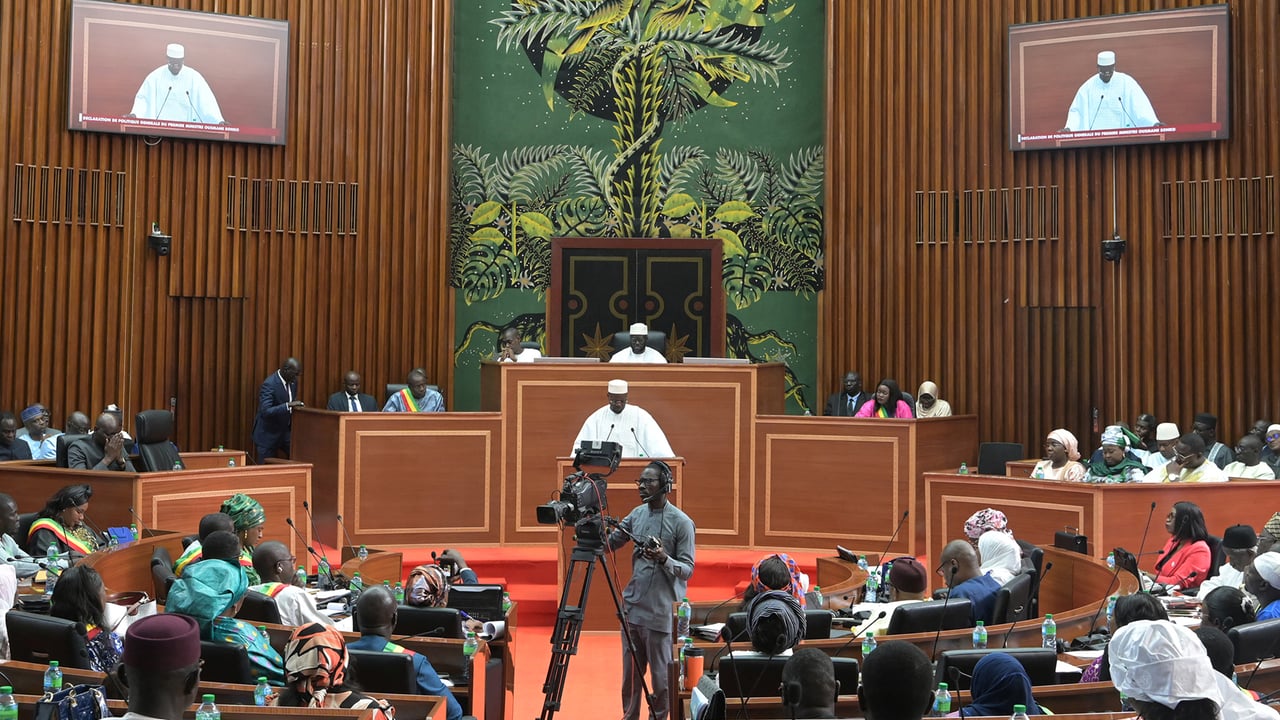

In Senegal, the debate over the confidentiality of special funds has intensified in recent weeks. At the heart of the controversy is a law passed under former President Macky Sall, which granted amnesty for political violence. Prime Minister Ousmane Sonko has now pledged to repeal it, sparking both support and criticism across the political spectrum.
Why special funds need to stay under wraps
Special funds, often shrouded in secrecy, serve critical purposes in governance. They allow governments to respond swiftly to emergencies, fund sensitive operations, or address unforeseen crises without bureaucratic delays. In Senegal, these funds have been instrumental in stabilizing the country during turbulent times, ensuring that urgent needs are met without public scrutiny.
Advocates argue that transparency in these funds could expose national security vulnerabilities or hinder delicate negotiations. For instance, disclosing allocations for counterterrorism efforts might compromise ongoing operations. Similarly, revealing financial details of confidential diplomacy could strain international relations.
The challenge, however, lies in balancing secrecy with accountability. Without oversight, there’s a risk of misuse or corruption. Senegal’s government must navigate this fine line, ensuring that while confidentiality is maintained, mechanisms are in place to prevent abuse.
The political stakes of the amnesty law
The proposed repeal of the amnesty law has become a flashpoint in Senegalese politics. Critics argue that the law shields individuals responsible for past political violence, undermining justice and reconciliation. Supporters, however, contend that it was necessary to prevent further unrest and maintain stability.
Prime Minister Sonko’s decision to challenge the law reflects a broader commitment to transparency and accountability. Yet, it also raises questions about the implications for national unity. Can Senegal address its past without reigniting old tensions?
Public opinion and the way forward
Public reaction to the debate has been mixed. While many citizens demand greater transparency, others fear that exposing these funds could destabilize the country. Civil society groups are urging the government to strike a balance, advocating for selective disclosure where possible.
The government’s next steps will be crucial. Will it prioritize secrecy to protect national interests, or will it embrace transparency to build public trust? The outcome could shape Senegal’s political landscape for years to come.
Key takeaways
- Purpose of special funds: They enable rapid response to crises, protect sensitive operations, and maintain operational flexibility.
- Transparency vs. secrecy: Striking the right balance is essential to prevent misuse while safeguarding national security.
- Political implications: The amnesty law’s repeal could reshape Senegal’s political dynamics and public perception of justice.
- Public sentiment: Citizens are divided, with some prioritizing transparency and others fearing instability.