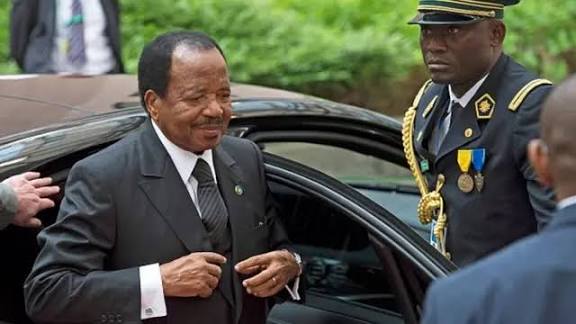
On June 7, 2026, Cameroon’s long-serving leader, Paul Biya, embarked on what was officially described as a “brief private stay in Europe.” However, as of August 10, 2026, his absence from the country has stretched to an unprecedented 64 days—far beyond the initial expectations. This record-breaking duration has shifted the narrative from a mere anecdote to a pressing question: what are the implications of such prolonged absences for national governance and stability?
The president’s extended stay abroad has sparked discussions about the continuity of leadership and the functioning of key institutions during his absence. With no clear public timeline for his return, Cameroonians and observers alike are left to assess the impact on policy implementation and public administration.