The longest-running political dynasty in Africa
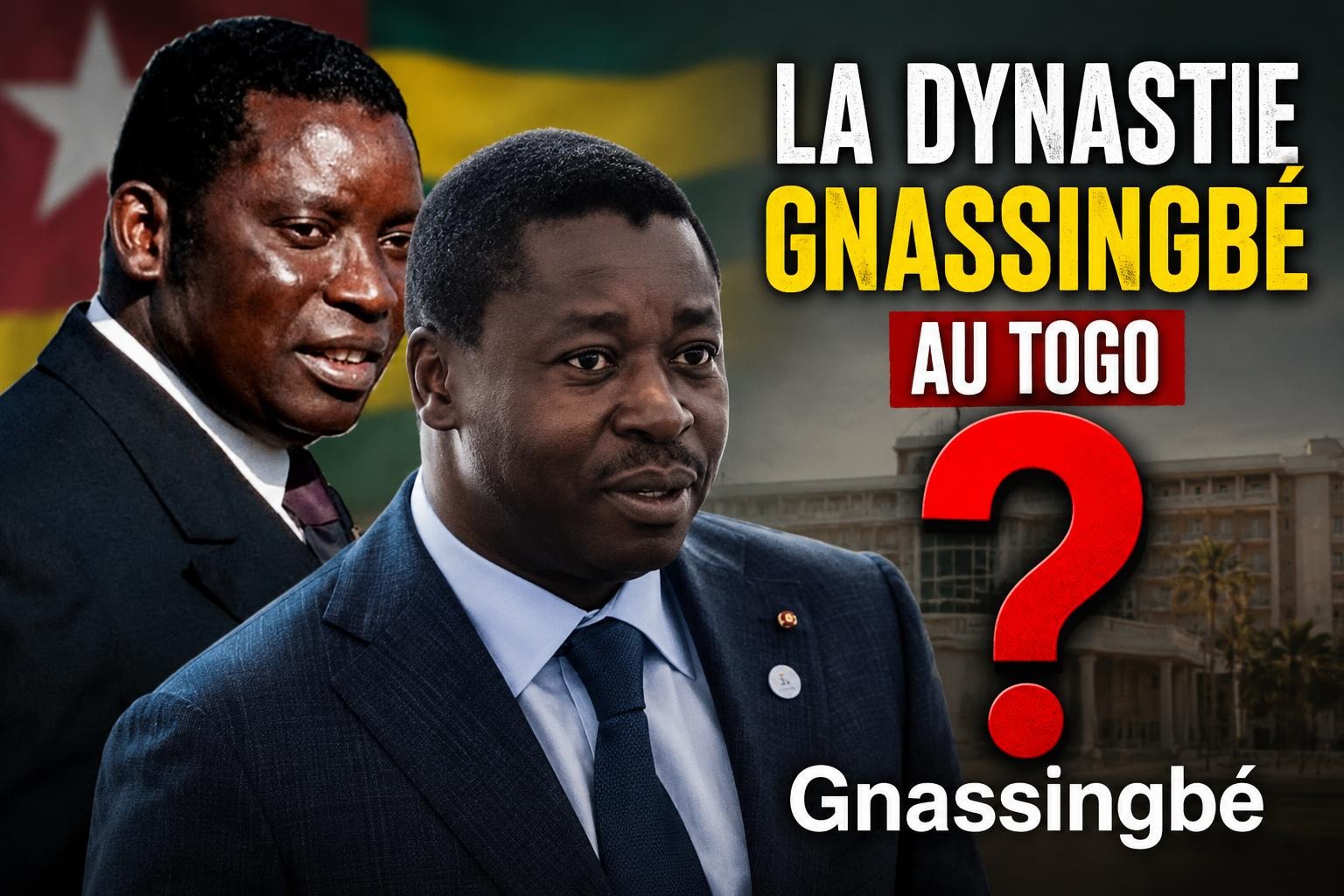
Togo stands out in the African landscape for a singular and troubling distinction: it is home to the continent’s oldest political dynasty. For half a century, the Gnassingbé family has held the reins of power, shifting seamlessly from Gnassingbé Eyadéma’s 38-year rule to his son, Faure Gnassingbé, who is now in his third decade as head of state. By systematically tightening control over institutions and guaranteeing unwavering loyalty from the military, the current president appears to have followed the exact blueprint laid down by his predecessor. Evidence strongly suggests that Faure Gnassingbé has made a definitive choice: to rule for life, mirroring his father’s fate.
The clan’s survival takes precedence over the nation’s progress
To grasp why peaceful political change has become an unattainable dream in Togo, one must examine the core of the regime. This is not merely a political party in power; it is a tightly knit clan and a hereditary dynasty. Since 1967, power has been treated by the inner circle of the Gnassingbé family and its allies as a private inheritance and a family asset.
For Faure Gnassingbé, stepping down from office represents an existential threat to his entire entourage. Vacating the presidential seat would open the floodgates to demands for accountability over financial mismanagement, systemic corruption, and, most critically, the bloodshed that has punctuated the regime’s history—particularly the hundreds of lives lost during the violent transition of 2005. For the clan, retaining power is no longer a political option; it is a matter of survival, both physically and judicially. This is the trap that forces the head of state to cling to power until his final days.
The constitution as a tool to bury democracy
The recent and forceful transition to a parliamentary system has effectively extinguished the last flicker of hope for democratic change. By assuming the role of President of the Council of Ministers, Faure Gnassingbé has freed himself from the constraints of presidential term limits and direct universal suffrage.
This sweeping constitutional overhaul acts as an irreversible turning point:
- End of direct elections: The people no longer choose their supreme leader, eliminating the risk of a punitive vote.
- Unlimited mandate through proxy: As long as his party, the state-aligned UNIR, wins elections staged by the regime, he will remain in power.
This legal engineering reveals a deliberate strategy: Faure Gnassingbé has designed the twilight of his reign to echo his father’s endgame. Gnassingbé Eyadéma, in 2002, altered the Constitution to ensure he could die in office in 2005. The son has merely refined the method: where the father relied on brute force to ignore the law, the son uses the law to legitimize force.
The FAT: Togo’s praetorian shield against change
The final lock in this dynastic fate is the composition of the Togolese Armed Forces (FAT). Established by Gnassingbé Eyadéma with a strong regional and clan-based foundation, the FAT remains the regime’s backbone. High-ranking officers share the same economic and security interests as the ruling family.
“In Togo, the army does not protect the state; it protects a dynasty against the aspirations of its own people.”
For the generals, Faure Gnassingbé’s departure would mean the loss of their privileges and the destabilization of their network of influence. The president is a willing hostage of this praetorian system. He understands that his security hinges on his grip on power and that the military would tolerate no successor outside the family or the established order. This symbiotic alliance has forever bound his destiny to that of the Marina Palace.
A gilded cage with no escape
Faure Gnassingbé has imprisoned himself in the same gilded cage as his father. Trapped by a clan unwilling to relinquish its privileges, shielded by a military averse to change, and shielded by laws he himself authored, he has sentenced himself to a life sentence in politics.
Togolese history repeats itself: like Eyadéma before him, Faure Gnassingbé will govern Togo until nature decides otherwise. Yet, by refusing to offer his nation a peaceful exit strategy, he risks leaving behind a ticking time bomb where the dynasty’s collapse could detonate into chaos.