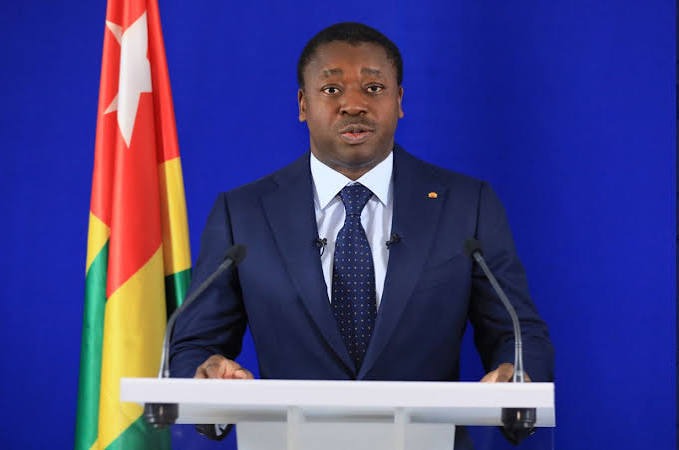
Behind the official rhetoric of charity and poverty alleviation, a troubling trend is emerging in Togo: the misuse of humanitarian organizations as tools for financial evasion. The recent burglary at the Muslims Around The World (MATW) offices in Kpogan, where 62 million CFA francs in cash were stolen, offers a stark glimpse into a much larger, shadowy economy.
As families across the country grapple with rising living costs, Lomé has become a hotspot for an unregulated financial ecosystem where charitable groups and private foundations operate alongside state interests. The theft at MATW is not an isolated incident but rather a symptom of a systemic issue.
Cash-heavy humanitarian work: the opaque underbelly of Togo’s financial system
The sheer volume of cash stored in administrative safes by humanitarian groups raises serious questions. How can such large sums circulate in cash without triggering financial oversight alerts? Experts point to a deliberate lack of enforcement by authorities, allowing funds of questionable origin to flow through charitable channels.
A financial crimes specialist in West Africa explains, “In Togo, the NGO status provides a de facto immunity, creating the perfect cover for cash transactions that leave no digital trail, bypassing standard banking traceability requirements.”
Political and financial cover for the regime
Critics argue that the proliferation of unchecked humanitarian funding serves a dual purpose for the ruling establishment:
- Image laundering: Charitable activities allow unaccounted funds to be recycled while simultaneously boosting the regime’s reputation among vulnerable citizens who lack access to public services.
- Informal redistribution: By favoring cash over traceable transfers, certain NGOs act as informal conduits for regime insiders and business allies to move and redistribute wealth.
A regulatory system with glaring loopholes
While Lomé frequently touts its compliance with international financial standards, the ground reality tells a different story. Commercial banks face stringent oversight from the Central Bank of West African States (BCEAO), yet the informal sector and NGOs operate in a legal gray area that benefits the powerful.
Without mandatory banking of funds and systematic audits of NGO transactions, humanitarian work in Togo will continue to be viewed as a financial smokescreen for a system struggling to maintain legitimacy.
More Stories
Niger’s August crisis: how Tiani’s reliance on Russia exposed deeper fractures in the military
Burkina Faso’s military push raises urgent questions amid mass displacement crisis
Behind the three-day delay: what really delayed Senegal’s 2026 revised budget bill