Trump backs Morocco’s western Sahara sovereignty claim
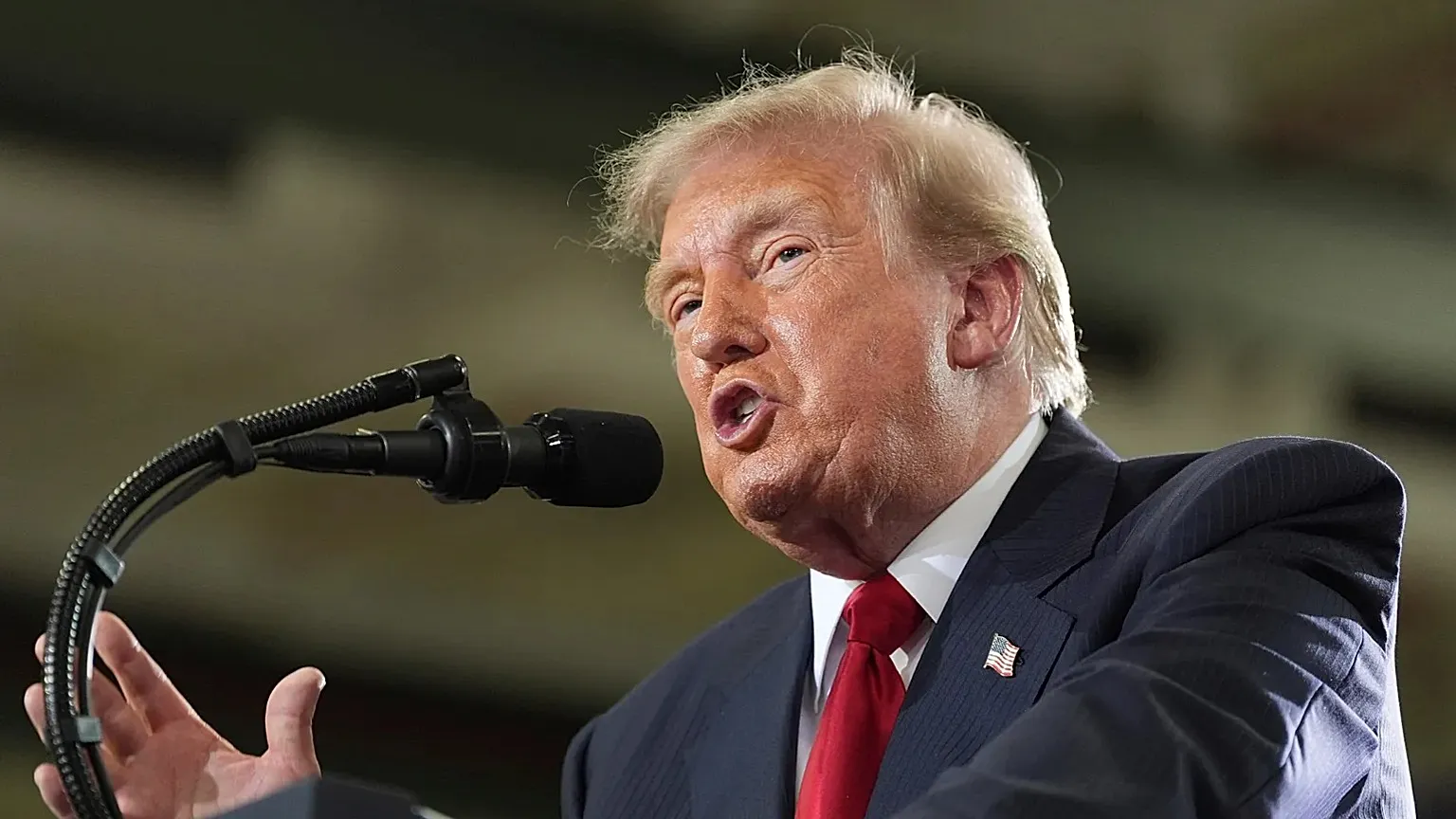
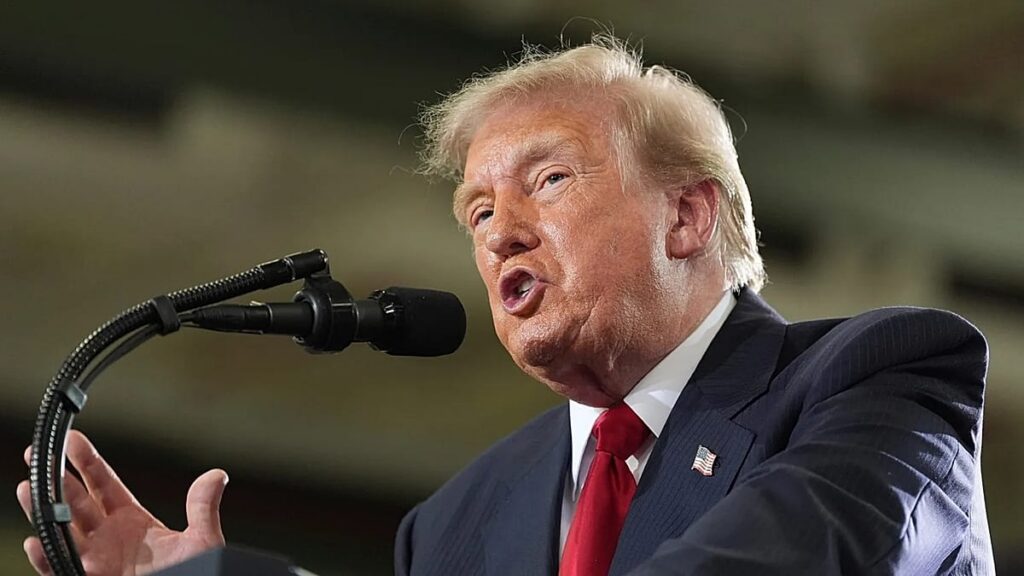
In a message to King Mohammed VI, Donald Trump reaffirmed U.S. recognition of Morocco’s sovereignty over Western Sahara and support for Rabat’s autonomy plan.
In a direct communication with King Mohammed VI, Donald Trump has restated the United States’ long-standing position: full recognition of Morocco’s sovereignty over Western Sahara and strong backing for the autonomy initiative proposed by Rabat. The U.S. president described this proposal as “the only serious, realistic solution capable of ending the conflict fairly and permanently.”
He also stressed that maintaining the status quo was “unacceptable,” arguing that a resolution would “enhance prosperity and strengthen integration across African nations.” Trump emphasized Washington’s commitment to accelerating efforts to achieve a swift and lasting resolution.
The diplomatic alignment between Morocco and the U.S. dates back to December 2020, when Trump, in the final weeks of his first term, formally recognized Moroccan sovereignty over Western Sahara. This move was part of a broader agreement facilitating Morocco’s normalization of relations with Israel, enabling Rabat to join the Abraham Accords.
Beyond geopolitics, the White House praised Morocco’s vital role in regional security, positioning the kingdom as a key ally in combating terrorism and addressing international security challenges. Trump also lauded King Mohammed VI’s “visionary leadership” in fostering regional peace, highlighting Morocco’s efforts to counter extremism and ensure the safety of both American and Moroccan citizens—a testament to the strength of their strategic partnership.
In this context, the U.S. president announced plans to deepen operational cooperation between Washington and Rabat in North West Africa, pledging joint efforts to bolster security across the Sahel region.
Understanding the conflict
Western Sahara, a resource-rich territory—particularly in phosphate and fisheries—remains one of North Africa’s most persistent diplomatic flashpoints. At its core is a decades-long dispute between Morocco and Algeria, with Algiers officially supporting the Polisario Front, which advocates for the territory’s independence.
Morocco champions an autonomy plan that grants the region significant self-governance while maintaining its territorial sovereignty. The Polisario Front, however, insists on a UN-supervised referendum allowing locals to determine their future.
The conflict traces its roots to 1975, when Spain ended its 90-year administration of what was then known as “Spanish Sahara.” The withdrawal sparked a war between Morocco and the Polisario Front, which concluded with a 1991 ceasefire brokered by the United Nations.
Rabat asserts sovereignty over Western Sahara, citing historical ties of allegiance between Sahrawi tribes and the Alaouite monarchy. Algeria, by contrast, backs the Polisario Front, which declared the “Sahrawi Arab Democratic Republic” in 1976, arguing that the conflict’s resolution hinges on self-determination and the completion of decolonization.
Last year, on the 50th anniversary of the Green March—when 350,000 Moroccan civilians marched toward Spanish-administered Sahara—the UN Security Council adopted a resolution deeming Morocco’s autonomy plan “the most viable basis” for resolving the conflict.
Passed on October 31 with 11 votes in favor and none against, the resolution urges the resumption of negotiations grounded in Morocco’s 2007 autonomy proposal to the UN. It frames this plan as “the most realistic solution” and the “cornerstone” of future talks aimed at ending a nearly half-century-old conflict.
On that occasion, King Mohammed VI declared that Morocco was entering “a decisive phase of its contemporary history,” adding: “The time for a unified Morocco has come.”