Behind the bloodshed: the factors that fueled the latest JNIM offensives
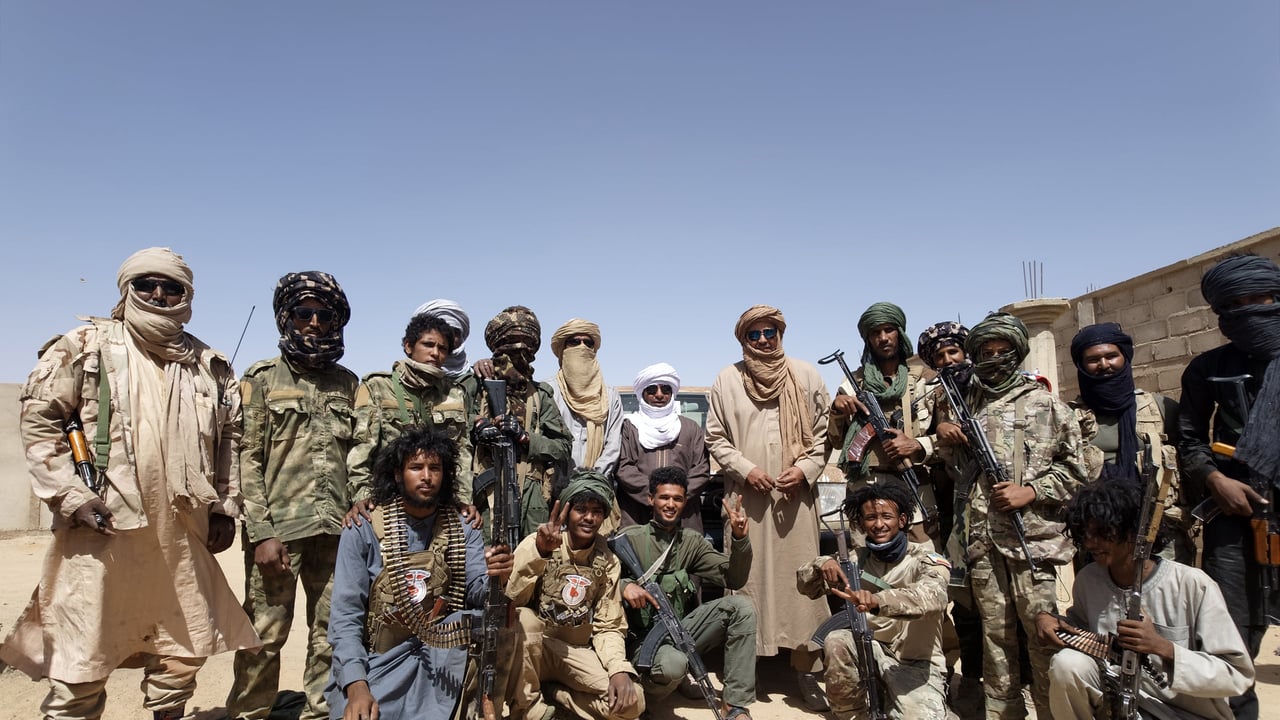
The Malian army and its allied Wagner forces found themselves under heavy fire this past week as the Jama’at Nusrat al-Islam wal Muslimin (JNIM) launched synchronized assaults in the strategic towns of Dioura and Sévaré. With the death toll now exceeding 150 soldiers, the coordinated strikes have exposed deep-rooted vulnerabilities in Bamako’s counterterrorism strategy.
From tactical failures to strategic missteps: dissecting Bamako’s response
Assimi Goïta’s emergency meeting in Bamako on Sunday was not merely a routine security consultation. It marked a rare public acknowledgment that the Malian state’s response to the jihadist threat has reached a critical inflection point. Officials confirmed that intelligence failures, logistical bottlenecks, and strained coordination with allied forces all contributed to the devastating outcome.
The human cost behind the numbers
Among the victims were scores of Malian troops and Wagner contractors, but the impact extends far beyond immediate casualties. Local communities in Dioura and Sévaré now face intensified displacement, disrupted trade routes, and dwindling access to essential services as militants exploit the security vacuum. The psychological toll on residents—already familiar with years of insurgent violence—has deepened, with reports of families fleeing to nearby towns in search of safety.
Wagner’s shadow: how foreign alliances complicate Mali’s path to stability
The partnership between Bamako and the Wagner Group, while providing short-term tactical support, has introduced long-term complications. Analysts note that the presence of foreign contractors has altered the dynamics of Mali’s conflict, drawing criticism from Western observers and accusations of mercenary-driven operations. The JNIM’s attacks were not just aimed at military targets; they were designed to expose the fragility of Mali’s alliances and the ethical dilemmas of relying on external security providers.
Local leaders have begun questioning whether Wagner’s involvement is stabilizing the region or inadvertently fueling further radicalization. The group’s aggressive tactics, including the use of proxy forces, have blurred the lines between counterterrorism and state repression, further eroding public trust in Bamako’s leadership.
What’s next for Mali: options amid escalating chaos
As the dust settles on the attacks, Mali stands at a crossroads. The government must now decide whether to double down on its current strategy or pursue alternative approaches to regain control. Some factions within the military advocate for a more aggressive counteroffensive, while others push for reconciliation efforts with moderate armed groups. The risk of further fragmentation looms large, especially as the JNIM’s reach extends into new territories.
Regional partners, particularly in West Africa, are closely monitoring Bamako’s next moves. The Economic Community of West African States (ECOWAS) has reiterated its commitment to supporting Mali but has stopped short of endorsing unilateral military action. Diplomats suggest that a multi-pronged approach—combining military pressure, community engagement, and political reforms—may offer the best path forward, though the timeline for such a strategy remains uncertain.
The road to recovery: rebuilding trust in Mali’s security sector
Restoring faith in Mali’s security apparatus will require more than just tactical adjustments. Structural reforms, including improved training for local forces, better intelligence-sharing mechanisms, and a clear exit strategy for foreign actors, are essential. The JNIM’s latest offensive has laid bare the limitations of Bamako’s current security model, leaving little room for complacency.
The coming weeks will be pivotal. Whether Mali can navigate this crisis without further destabilization remains an open question. One thing is clear: the attacks in Dioura and Sévaré were not just random acts of violence. They were a calculated challenge to Bamako’s authority—and the response will define the country’s future.