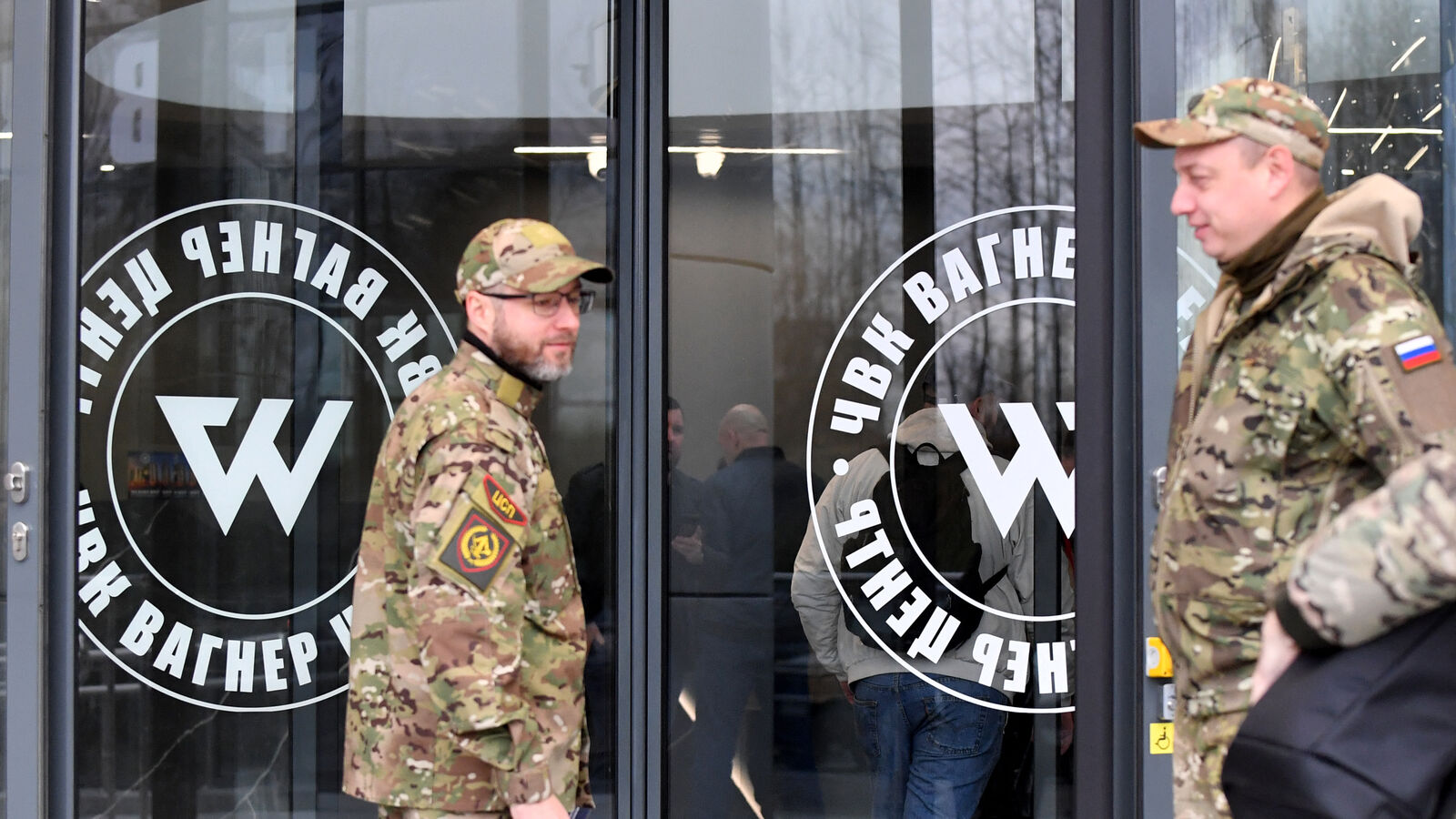
Wagner mercenaries turn to opioid trade to fund Africa operations
Three years after the death of Evgueni Prigojine, the networks he established in Africa remain operational. Investigations reveal that the trafficking of tramadol, a potent opioid painkiller, is now a key revenue stream for former members of the Wagner Group.
Former Wagner operatives, including the late leader’s son, Pavel Prigojine, have reportedly shifted their focus to the illicit drug trade in the Central African Republic. This pivot comes as Russia consolidates its external operations under state-controlled entities following the group’s restructuring.
From mercenary force to criminal enterprise
The transition from military operations to drug trafficking highlights the adaptability—and desperation—of ex-Wagner fighters seeking financial survival. Tramadol, often referred to as the “poor man’s cocaine,” is now a lucrative commodity in regions where the group maintains a presence.
Sources indicate that the network extends beyond the Central African Republic, with former mercenaries leveraging existing smuggling routes to distribute the drug across West and East Africa. The opioid’s low cost and high demand make it an attractive alternative to traditional revenue streams.
Implications for regional stability
The growing involvement of ex-Wagner fighters in narcotics trafficking poses a significant threat to already fragile security landscapes. Governments in affected nations face the dual challenge of combating both insurgent movements and transnational crime syndicates.
Analysts warn that unchecked opioid trafficking could exacerbate public health crises, particularly in areas with limited access to medical care. The influx of tramadol, often counterfeit or poorly regulated, has already contributed to rising addiction rates and related social issues.
Future of Wagner’s African footprint
While Russia has rebranded Wagner’s foreign operations under state oversight, the legacy of Prigojine’s network persists. The shift to drug trafficking underscores the group’s evolution from a paramilitary force to a hybrid criminal enterprise.
For regional governments and international observers, the challenge now lies in dismantling these networks before they further destabilize already volatile regions.
Related Posts
One year of Suminwa II: José Mpanda’s telecom milestones in the DRC
One year of Suminwa II: José Mpanda’s telecom milestones in the Democratic Republic of Congo Me José Mpanda Kabangu marked his first year at the […]
Morocco reiterates commitment to safeguarding children in african conflicts
On Wednesday, Morocco reiterated its unwavering commitment before the African Union’s Peace and Security Council (AU PSC), underscoring the vital need to enhance the safeguarding […]
Libreville tackles urban chaos with mixed reactions
Politics Libreville tackles urban chaos with mixed reactions By Chief Editor July 13, 2026 98 No comment Libreville, Monday, July 13, 2026 – The ultimatum […]