
As Cameroon braces for a new political era, the capital city of Yaoundé remains a focal point of intense speculation and quiet maneuvering. The air in government corridors is thick with anticipation, as officials and observers alike weigh the implications of the country’s evolving leadership landscape. At the heart of this transition period lies a delicate balance of power, where every statement and decision carries weight.
Signs of a nation in transition
In Yaoundé, the heartbeat of Cameroon’s political pulse quickens as whispers of change grow louder. The city’s streets, usually abuzz with routine activity, now hum with conversations about the future. Government ministries have become stages for strategic discussions, while behind closed doors, key figures deliberate on the path forward. The atmosphere is charged with a mix of uncertainty and cautious optimism, as stakeholders navigate the uncharted waters of a post-transition phase.
The role of Yaoundé’s political elite
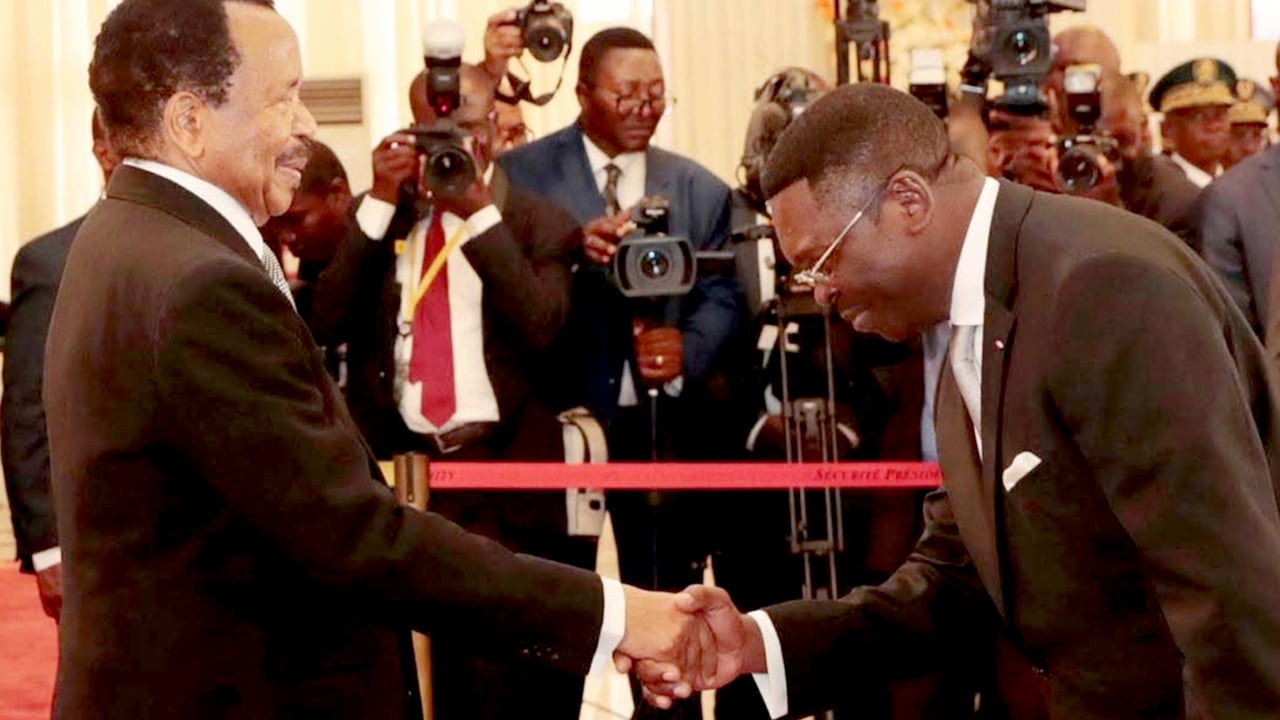
The capital’s political elite find themselves at the center of this unfolding narrative. Figures like Ferdinand Ngoh Ngoh, Secretary-General of the Presidency, embody the intersection of continuity and change. Their actions and statements are scrutinized for clues about the direction Cameroon will take. Meanwhile, the broader public watches, waiting to see how these internal dynamics will shape the nation’s trajectory. The decisions made in Yaoundé today will echo far beyond its borders, influencing regional stability and economic prospects.
Economic implications of the transition
Beyond politics, the economic implications of Cameroon’s transition are impossible to ignore. Investors and businesses are closely monitoring developments in Yaoundé, aware that policy shifts could either bolster or disrupt economic growth. The country’s financial future hangs in the balance, with sectors from agriculture to infrastructure poised for potential transformation. As Cameroon stands at this crossroads, the choices made in the coming months will determine its economic resilience and global standing.
Public sentiment and the road ahead
The people of Cameroon, too, have a stake in this transition. From urban centers to rural communities, citizens are voicing their hopes and concerns about what lies ahead. While some express optimism for reform and progress, others remain skeptical, wary of repeating past patterns. The road forward will require not just political will but also a commitment to inclusivity and transparency. As Yaoundé grapples with these challenges, the nation as a whole must chart a course that unites rather than divides.