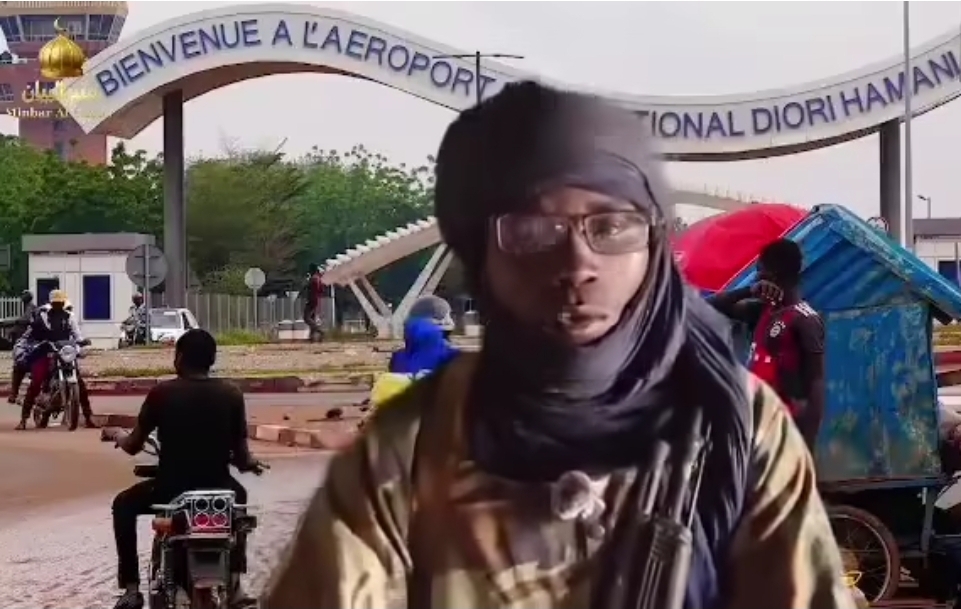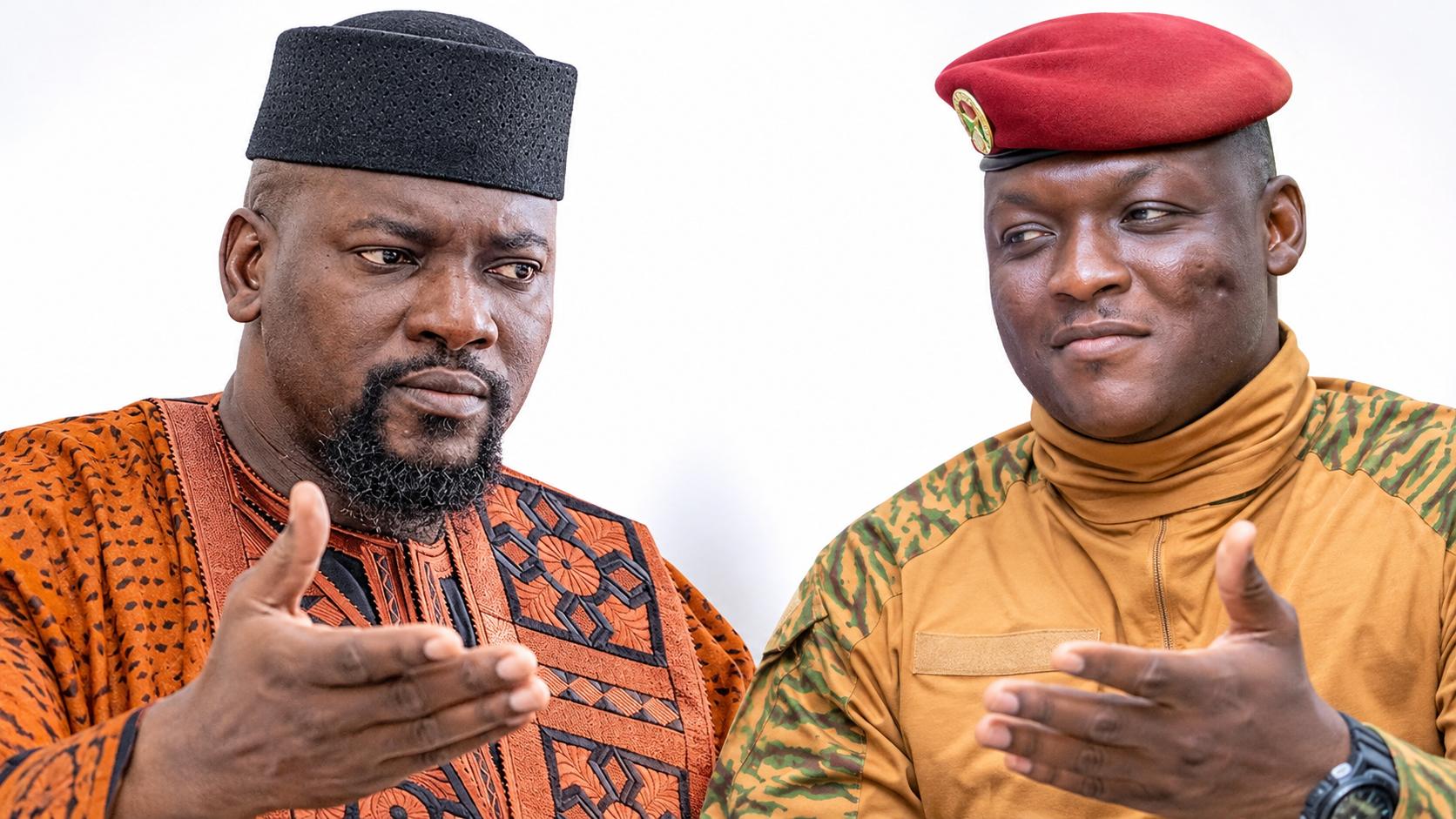
In a dramatic pivot that has sent shockwaves through regional politics, Burkina Faso has escalated its criticism of Guinea’s gold mining policies, positioning itself as a champion of sovereign resource management. The state-owned broadcaster launched a hard-hitting documentary accusing Conakry of prioritizing foreign corporate profits over local communities, yet the finger-pointing rings hollow when set against Ouagadougou’s own controversial mining crackdowns at home. This glaring contradiction exposes the fragile foundations of West Africa’s emerging sovereign mining discourse, where political convenience often trumps consistent economic justice.
From rhetoric to reality: The two-faced approach to gold mining regulation
Burkina Faso’s public condemnation of Guinea’s mining sector centers on aggressive land clearances and enforcement actions around artisanal sites, which it frames as state overreach. Yet these very same tactics—mass evictions, revocation of mining permits, and destruction of equipment—have been deployed on Burkinabè soil just weeks apart. On July 2, 2024, authorities ordered an immediate halt to operations across illegal gold sites in the Hauts-Bassins and Cascades regions, culminating in the ejection of clandestine miners, cancellation of hundreds of artisan mining cards, and the seizure of over 60 hydraulic excavators.
The timing of these parallel campaigns raises an unavoidable question: if coercive mining governance signals legitimate sovereignty in Burkina Faso, why does identical enforcement in Guinea automatically become tantamount to foreign exploitation? The lack of a uniform standard undermines the credibility of Ouagadougou’s moral posturing, revealing a flexible interpretation of sovereignty that bends with geopolitical winds.
Foreign investors: Friends in Ouagadougou, foes in Conakry?
The inconsistency deepens when examining the role of multinational corporations. While Burkina Faso denounces foreign mining giants in Guinea, its own gold sector remains structurally dependent on international operators. Official figures from the 2024 Extractive Industries Transparency Initiative report show that of the 60.77 tonnes of gold produced nationally, a staggering 87% (53.38 tonnes) came from industrial mines—with artisan operations contributing only 7.13 tonnes. Most of these industrial complexes are controlled by foreign companies.
Mines Actu’s 2026 data underscores this reliance: Russian mining titan Nordgold alone operates three major subsidiaries in Burkina Faso (Bissa Gold, Nordgold Yimiougou, and Nordgold Niou), accounting for one-fifth of the country’s industrial mining concessions. While foreign investment brings capital, jobs, and technological transfer, branding their presence in Guinea as neocolonial exploitation while celebrating it at home as economic sovereignty stretches ethical coherence to its breaking point.
The erosion of panafrican solidarity: When sovereignty becomes a political weapon
This episode lays bare the contradictions within the so-called sovereign mining discourse sweeping across the Sahel. By selectively applying principles—lauding domestic crackdowns while condemning those in neighboring states—Burkina Faso risks turning panafrican solidarity into a hollow slogan, weaponized against regional rivals rather than serving as a genuine framework for shared prosperity.
Authentic commitment to African economic independence demands unwavering consistency: transparent mining contracts, equitable revenue sharing, environmental safeguards, and robust protections for local communities. Such standards cannot be suspended for convenience or traded away for diplomatic leverage. Until Ouagadougou enforces the same rules it criticizes in Conakry, its moral crusade against foreign mining exploitation rings hollow—and West African citizens are left to foot the bill.