The 39th African Union summit concluded with a bold declaration: silencing firearms and enforcing a strict no-tolerance policy for unconstitutional changes of government. But can this resolve truly reshape the continent’s political landscape?

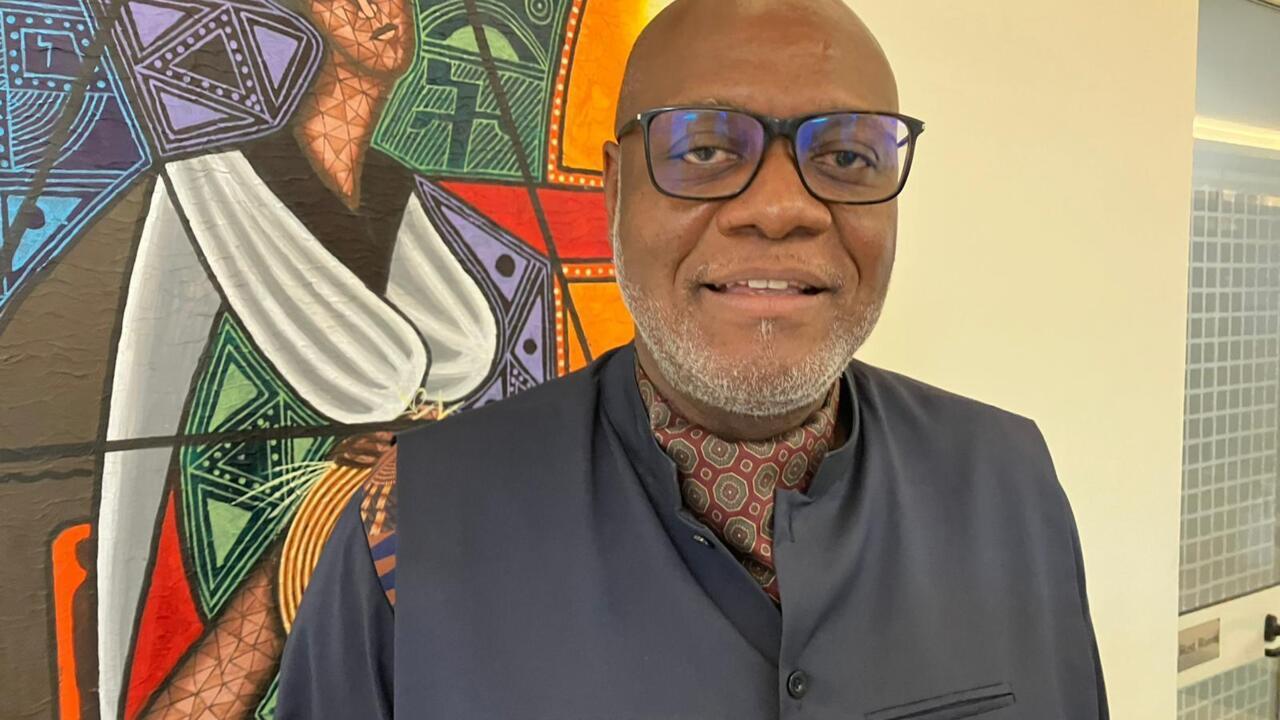
Paul-Simon Handy, a Cameroonian researcher and regional director of the Institute for Security Studies (ISS) for East Africa, attended the event in Addis Ababa. During his appearance on Africa Midi, he emphasized a critical stance: it is unacceptable for coup leaders to gain democratic legitimacy.
a bold declaration with lingering doubts
The summit’s final communiqué echoed a long-standing commitment to silencing the guns across Africa. Yet, the challenge remains: how can the AU ensure this promise is more than just rhetoric? Handy, speaking from firsthand experience in Addis Ababa, questioned the feasibility of such declarations when past commitments have often been overshadowed by political realities.
The scholar highlighted a paradox: while the AU vows to reject unconstitutional power transfers, some leaders who orchestrated coups are now navigating democratic processes—raising concerns about the organization’s enforcement mechanisms.
the role of regional stability
Handy’s analysis underscored the delicate balance between regional stability and political transitions. He argued that the AU’s credibility hinges on its ability to hold member states accountable, particularly those where democratic norms have been eroded by military interventions.
The summit’s discussions also touched on the economic toll of instability, with Handy pointing out that persistent conflicts and governance crises divert resources from development to security. This, he noted, contradicts the AU’s broader vision of silencing the guns to foster prosperity.
challenges ahead for the african union
The AU’s resolve faces significant hurdles, including:
- divergent national interests: Member states often prioritize sovereignty over collective enforcement, complicating unified action.
- weak institutional mechanisms: The AU’s tools for sanctioning unconstitutional changes remain underdeveloped, limiting its deterrent power.
- public perception: Citizens across the continent remain skeptical about whether the AU can translate declarations into tangible change.
Handy concluded by stressing that the AU’s future credibility depends on its willingness to confront these challenges head-on. The commitment to silencing the guns must be matched by concrete actions to prevent coup leaders from exploiting democratic processes.
As the AU continues to refine its strategies, one question lingers: Will the next chapter in Africa’s political history reflect the boldness of its declarations—or remain mired in the same cycles of instability?