Cameroun’s leading political party pushes for institutional safeguards as president’s absence exceeds 40 days
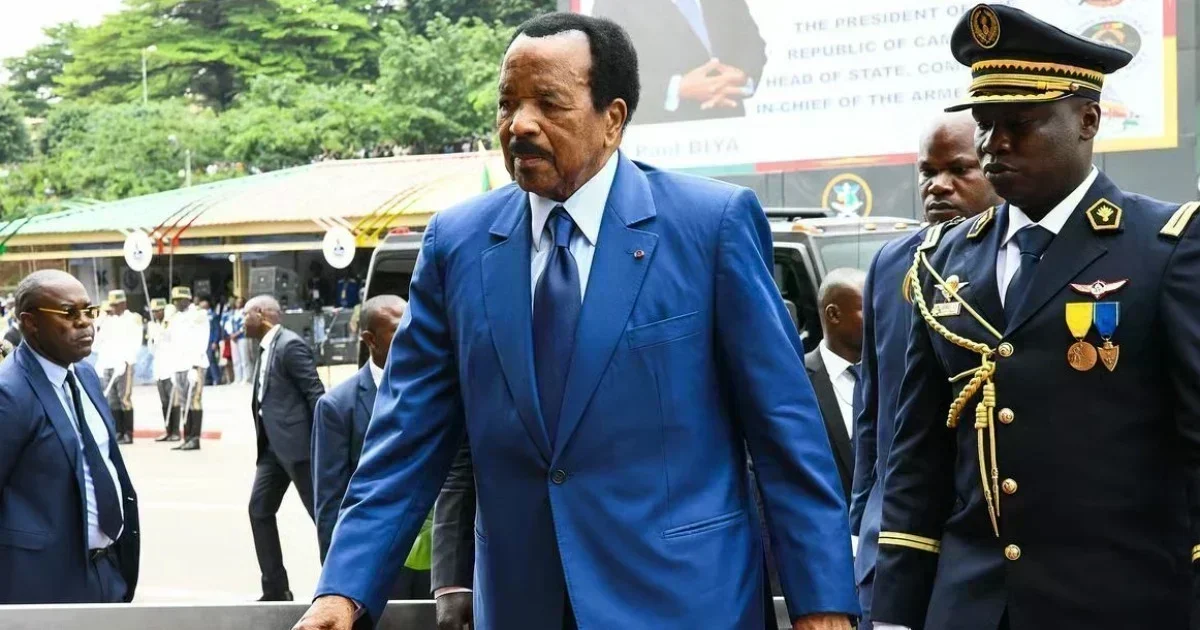
The silence from the top of the Cameroonian state has sparked growing concern among citizens and political stakeholders. President Paul Biya, who left Yaoundé on June 7, 2026, for what was officially described as a brief private trip to Europe, has yet to return. While the Civil Cabinet’s statement provided no further details—other than confirming the president’s departure—reliable sources confirm he is currently in Switzerland for undisclosed reasons. More than six weeks later, no official update has been issued, leaving both the public and the press in the dark.
Demands for transparency and institutional continuity
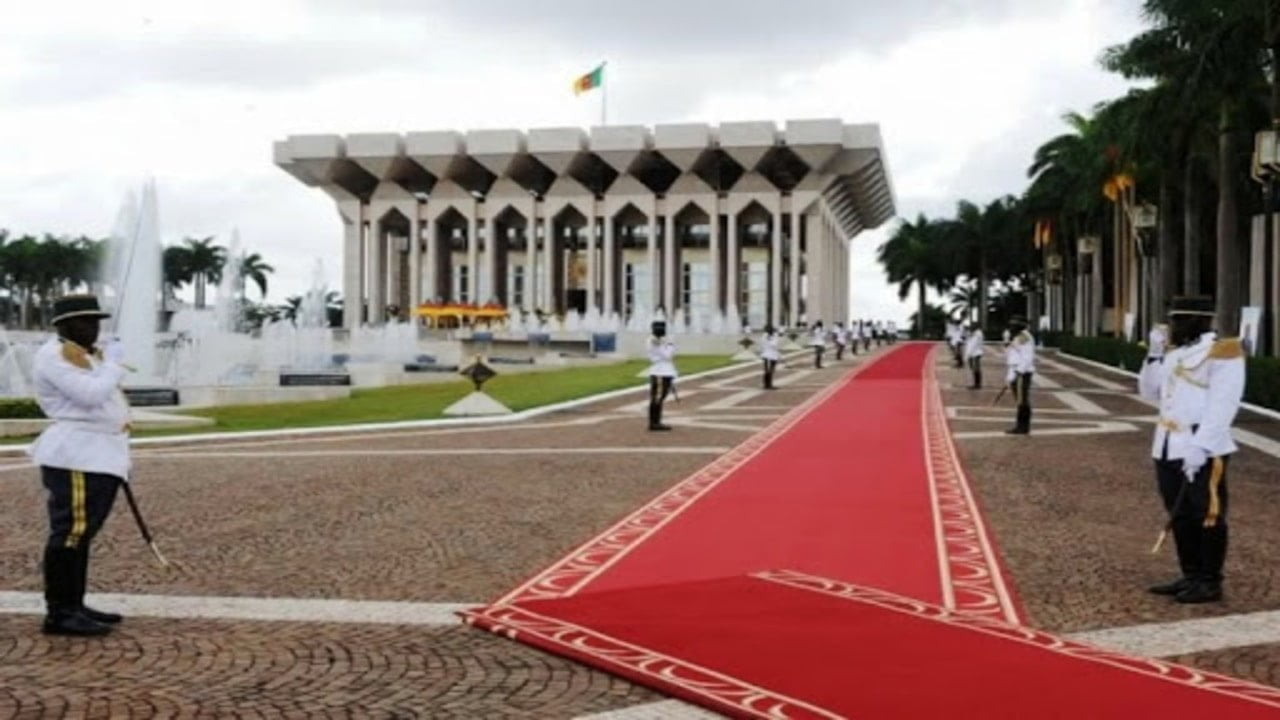
The Union démocratique du Cameroun (UDC) has emerged as a vocal advocate for clarity. In a strongly worded statement, party president Patricia Tomaino Ndam Njoya condemned the prolonged opacity surrounding the president’s absence from the Palais de l’Unité. The UDC argues that such prolonged absences threaten the stability and legitimacy of public action, particularly when constitutional mechanisms for handling temporary impediments remain unapplied.
The party emphasizes that the current situation underscores the urgent need to implement the constitutional amendments introduced by the April 14, 2026 law. Among its key recommendations, the UDC calls for:
- The formal appointment of a Vice President of the Republic—a role currently vacant despite clear legal provisions;
- Establishing precise rules and timelines to govern prolonged presidential absences;
- Ensuring regular and transparent communication with the nation and Parliament;
- Defining a clear and impartial procedure for verifying cases of temporary or permanent impediment;
- Preventing institutional paralysis by delegating specific presidential functions when continuity is required.
Uncertainty fuels political and social tensions
The absence of President Biya has not gone unnoticed. In Yaoundé, growing unease is palpable. Some citizens, including members of the so-called Brigade Anti Sardinard, staged a symbolic protest outside the presidential residence, demanding the president’s immediate return. The timing of this prolonged absence coincides with critical moments in the country’s political calendar: the start of the president’s eighth term and the delayed formation of a new government—promised over six months ago—has yet to materialize. Additionally, the constitutional reform that paved the way for the vice-presidential position remains unimplemented.
The vacuum at the highest level of the state has already led to unintended consequences. Reports indicate that fraudulent presidential decrees were submitted to the CRTV, nearly triggering a serious institutional crisis. With legislative and municipal elections on the horizon, political formations across the spectrum are recalibrating their strategies. Even the ruling RDPC has scheduled an urgent meeting for July 21, 2026, to address internal dynamics—once again, in the absence of its party leader.
In this climate of uncertainty, the UDC insists that the competent institutions must urgently clarify the status of national leadership and ensure the continuity of state functions. Without official communication or visible signs of an imminent return, questions persist: What is the state of the president’s health? When will he resume his duties? And, above all, how will Cameroon’s institutions adapt to this prolonged leadership gap?