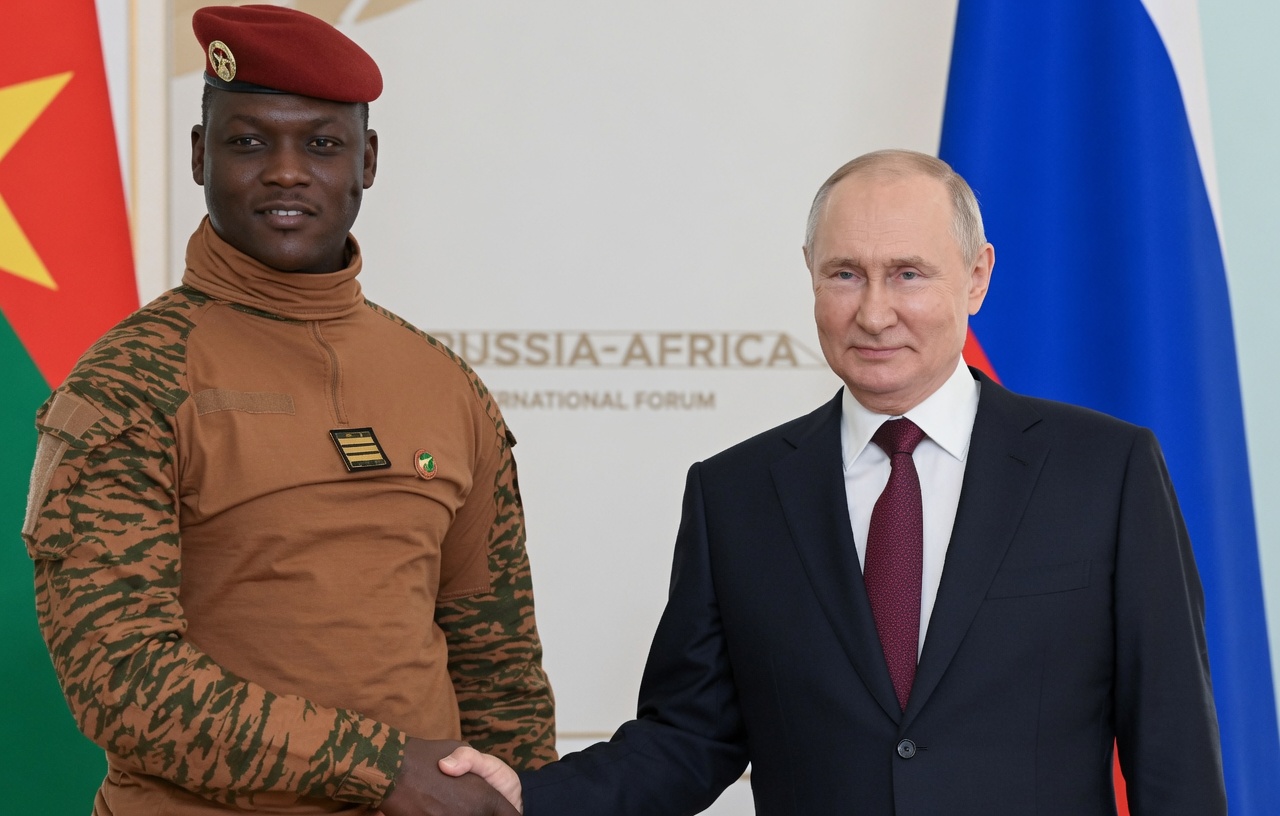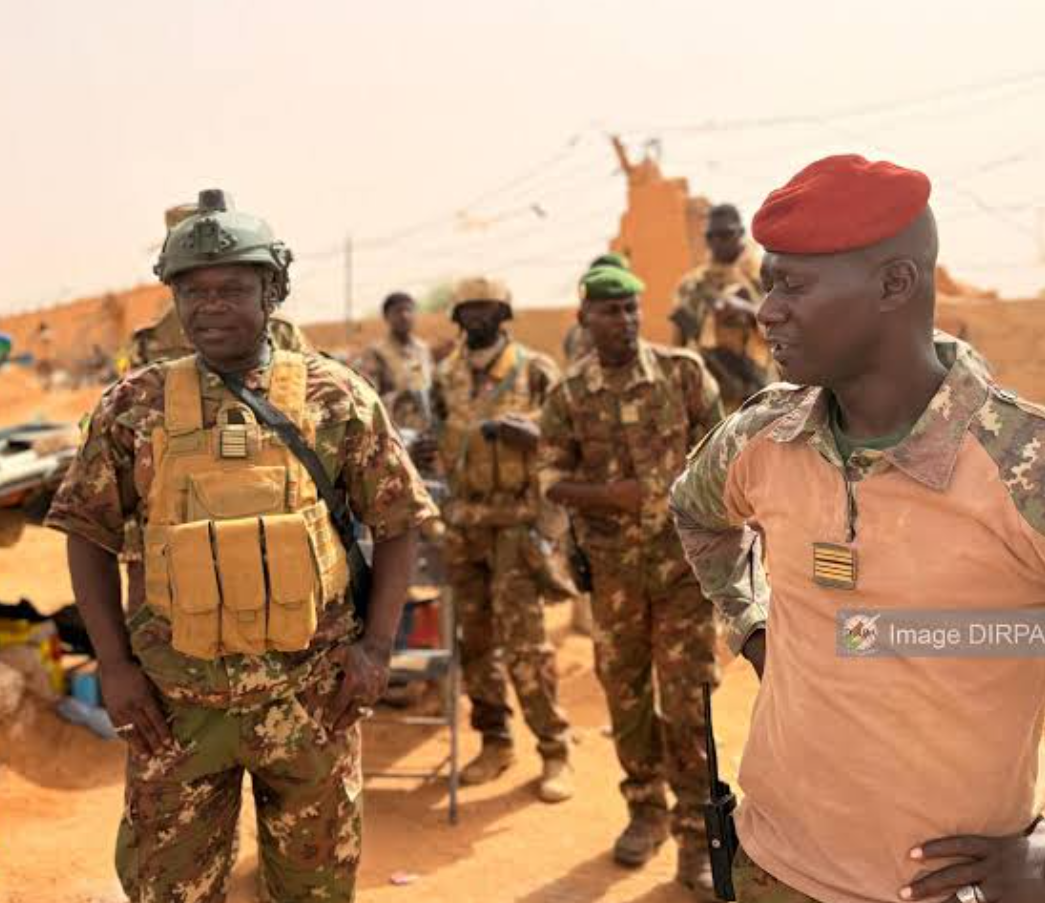
The heart of Mali’s central region, Mopti, became the latest battleground on Sunday, July 19, as the Group for the Support of Islam and Muslims (JNIM) launched a synchronized assault against multiple targets. In a bold display of operational capability, the Al-Qaeda-affiliated group simultaneously targeted Malian armed forces, Russian-backed Africa Corps mercenaries, and local self-defense militias, underscoring its persistent reach across the nation.
Coordinated assaults expose JNIM’s evolving tactics
The militant group’s claims revealed a calculated campaign designed to disrupt military logistics and weaken state control. In the Douentza area, three improvised explosive devices (IEDs) detonated along key routes, striking a supply convoy, a military truck, and a motorcycle detachment shared by Malian troops and Russian Wagner-linked operatives. Farther north, near Kansila, JNIM fighters launched a direct assault on a traditional Dozo hunters’ militia—a local defense force often deployed by Bamako to fill security gaps. The group reported three Dozo casualties, highlighting the fragility of pro-government auxiliary units.
These incidents were not isolated but part of a broader pattern. Credible security assessments confirm that the frequency of such attacks has surged since the 2019 coup led by Colonel Assimi Goïta, with IEDs and ambushes now occurring almost daily along critical transport corridors.
Assimi Goïta’s five-year reckoning: promises vs. grim reality
When the junta seized power in 2019, its stated mission was clear: reclaim Mali’s full sovereignty and restore peace after what it deemed failures by democratic governments and Western partners like the Barkhane operation. Yet half a decade later, the data tells a starkly different story. Conflict tracking organizations report a staggering rise in civilian and military fatalities, with violence-related deaths doubling or tripling in some provinces compared to pre-coup levels. The proliferation of armed actors—including Africa Corps—and the deliberate targeting of ethnic communities have fueled intercommunal tensions, inadvertently bolstering jihadist recruitment.
Territorial retreat and a silent humanitarian catastrophe
Despite official narratives celebrating military advances in towns like Kidal, the broader terrain paints a bleaker picture. Central and northern Mali have become contested zones where state authority has all but vanished. The consequences are devastating. United Nations agencies now estimate that over 400,000 Malians are internally displaced, fleeing not only jihadist violence but also the collateral damage of military operations.
The blockade of entire districts by JNIM and the Islamic State in the Greater Sahara (ISGS) has plunged regions into severe food shortages. With roads rendered unsafe, humanitarian aid convoys are frequently ambushed or rerouted, trapping civilians in a cycle of deprivation. The crisis, once confined to security concerns, has metastasized into a full-blown humanitarian emergency, unfolding behind closed borders.
Russia’s Africa Corps: a flawed military fix
Facing the withdrawal of French troops and the UN’s MINUSMA mission, the Malian government turned to Moscow for support. Initially under the Wagner Group’s banner, operations now fall under Africa Corps, a direct arm of Russia’s defense ministry. Yet the results have been underwhelming. Tactically, Africa Corps has failed to curb insurgent advances, suffering consistent losses and lacking the manpower for effective counterinsurgency across Mali’s vast terrain.
The human cost has been even more damaging. Independent human rights monitors have documented repeated abuses by Russian operatives against civilians—such as the reported massacre in Moura—actions that have driven local populations toward armed groups offering protection. Far from stabilizing the region, this partnership has deepened grievances and eroded trust in Bamako’s leadership.
Air power’s fading edge: a costly gamble
With ground forces stretched thin, the Malian regime has invested heavily in aerial warfare, purchasing drones and attack helicopters from Russia and Turkey. Early gains, including high-profile strikes, gave officials cause for optimism. However, maintenance and logistical hurdles have crippled this advantage. Several aircraft, including Albatros L-39 jets and Mi-24 helicopters, have been lost to technical failures or rebel fire. Repairs are delayed by the scarcity of Russian-supplied parts, forcing extended grounding periods.
Meanwhile, insurgents have adapted. JNIM and allied groups now move in smaller, dispersed units, blending into civilian areas or exploiting dense vegetation to evade detection. Aerial strikes, once a cornerstone of counterterrorism, have become less precise and increasingly ineffective—or tragically misdirected.
No end in sight: the limits of a militarized approach
The July 19 attacks in Mopti are more than isolated incidents; they are symptoms of a systemic failure. Bamako’s strategy of total militarization—marked by severed diplomatic ties, alienated regional partners, and reliance on foreign mercenaries focused on resource extraction rather than nation-building—has reached its limits. Without a holistic political framework that restores governance, reopens essential services, and protects civilians, Mali risks further territorial fragmentation at the hands of an emboldened Sahelian jihadism.