
Updated today at 07:03 Reading time: 4 minutes.
File generated on
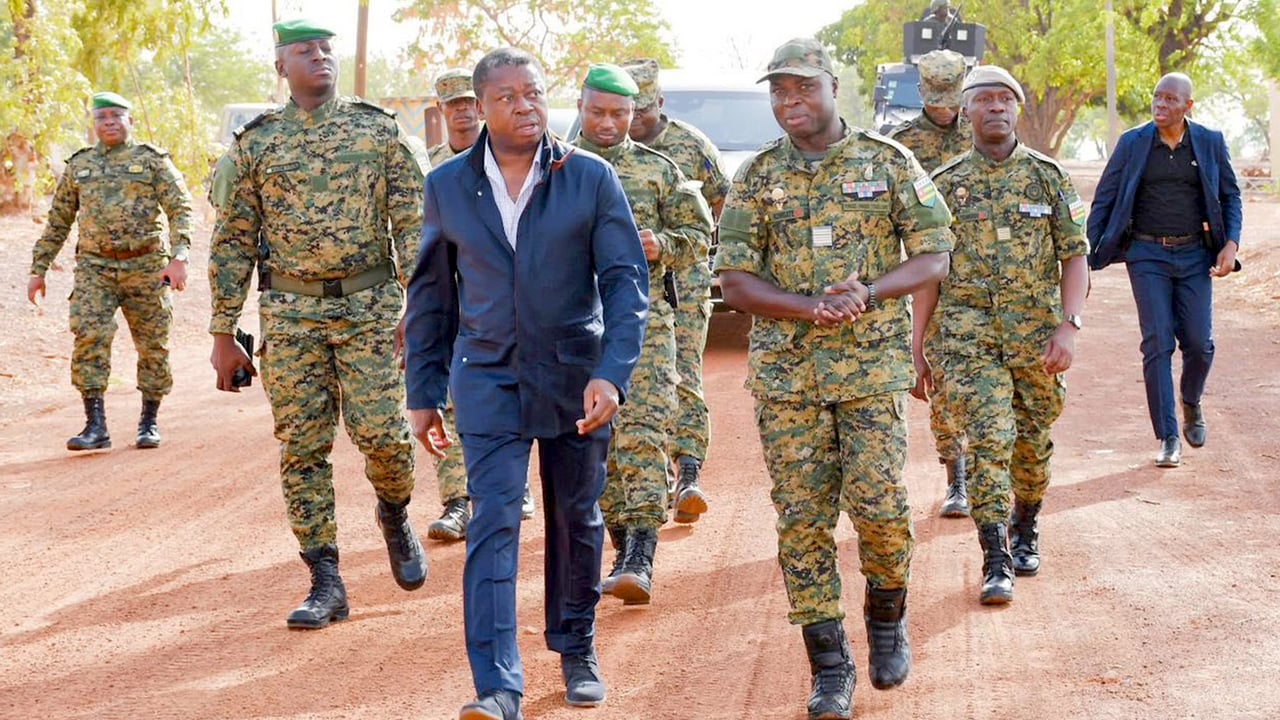
The recent restructuring within Togo’s military and intelligence leadership has sent ripples through the country’s security landscape. President Faure Gnassingbé has reshuffled key positions, signaling a strategic realignment in the nation’s defense and intelligence apparatus. This move comes as security challenges intensify in the northern regions, where armed groups continue to pose significant threats.
Why the reshuffle matters for Togo’s security
The changes at the helm of the armed forces and intelligence services are more than administrative adjustments. They reflect a deliberate effort to enhance operational efficiency and adaptability in the face of evolving threats. Northern Togo, bordering Burkina Faso, remains a hotspot for militant activity, demanding a robust and responsive security framework.
The president’s decision to reposition leadership underscores the government’s commitment to safeguarding national stability. By installing trusted figures in critical roles, the administration aims to strengthen coordination between military and intelligence units, ensuring a unified response to security challenges.
Key figures in the new security team
The reshuffle has placed seasoned officers in pivotal positions. Among them is a veteran intelligence official with extensive experience in counterterrorism operations, now overseeing the Directorate of Military Intelligence. Another high-profile appointment involves a senior military strategist tasked with reorganizing the northern command, a region plagued by cross-border incursions.
These leadership changes are expected to streamline decision-making processes and improve situational awareness. The new appointees bring a blend of tactical expertise and institutional knowledge, positioning Togo to better confront the multifaceted security threats facing the country.
Implications for regional stability
Togo’s security dynamics do not exist in isolation. The Sahel region continues to grapple with the rise of militant factions, and Togo’s northern border remains a flashpoint. The reshuffle is likely to enhance collaboration with neighboring countries, fostering a coordinated regional approach to counterterrorism.
By reinforcing its military and intelligence capabilities, Togo is sending a clear message: it is prepared to take decisive action against threats that undermine peace and security. This proactive stance could serve as a model for other nations in the subregion grappling with similar challenges.
What’s next for Togo’s security strategy
The coming months will be critical as the new leadership team begins implementing its mandate. Enhanced surveillance, intelligence-sharing initiatives, and joint military operations are expected to take center stage. The government’s focus on modernization and capacity-building within the security sector will be crucial in sustaining long-term stability.
The reshuffle is not merely a bureaucratic shuffle; it is a strategic pivot aimed at securing Togo’s future. As the country navigates a complex security environment, the moves made today will shape the trajectory of its defense posture for years to come.