In the quiet streets of KwaMakhutha, a township just south of Durban, a single night shift turned into a bloodbath that exposed the raw, unfiltered power of South Africa’s organised crime syndicates. Eleven lives were cut short—including an unborn child—when three gunmen stormed a private gathering in the early hours of September 23, 2026. This devastating attack is not just another headline; it’s a stark reflection of the deep-seated dysfunctions that have turned South Africa’s urban peripheries into battlegrounds.
What happened on the night of the massacre
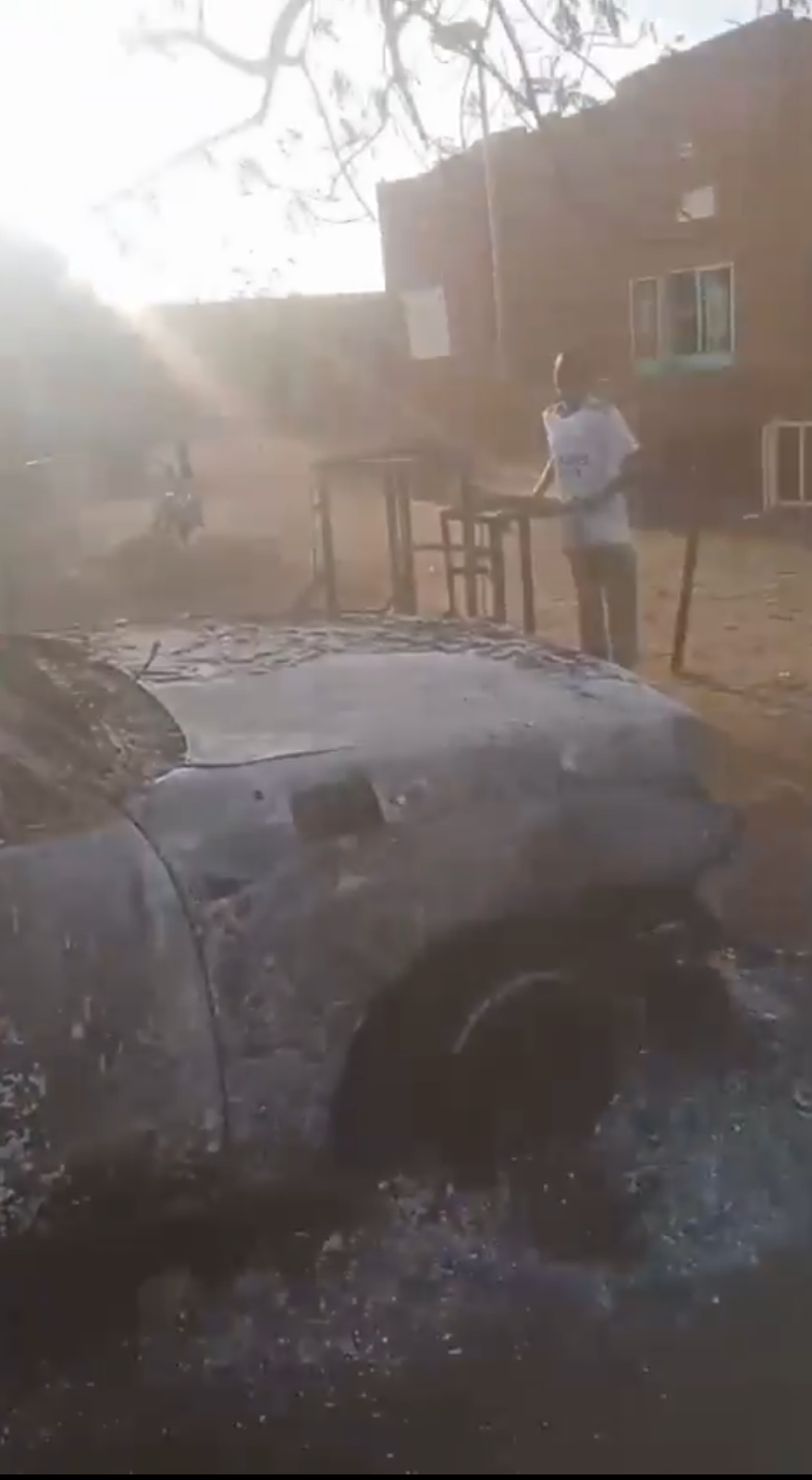
The attack began just minutes before midnight. Witnesses reported that the three gunmen arrived in a single car and stormed a residential home hosting a small private gathering. The assailants opened fire almost immediately, spraying bullets at close range. Ten individuals died instantly, while one more succumbed to injuries at a nearby hospital hours later. Before fleeing, the gunmen set the victim’s car ablaze, leaving behind a scene straight from a war zone.
Local residents described the aftermath as surreal—a quiet neighbourhood suddenly overwhelmed by screams, gunshots, and the acrid smell of burning rubber and flesh. The survivors, many of whom were innocent bystanders, described a night of sheer terror, where the sound of gunfire echoed through the streets like a never-ending nightmare.
The hidden forces driving the violence
The police have yet to identify the attackers or their motives, but intelligence sources are pointing toward a long-standing feud within the local underworld. Several of the victims were known to authorities for their involvement in organised crime, including drug trafficking and illegal firearms deals. This massacre, however, wasn’t just another turf war—it was a calculated strike meant to send a message.
The KwaZulu-Natal Premier, Thami Ntuli, arrived at the scene within hours of the attack. Speaking to a deeply shaken community, he called the massacre a symptom of systemic failures: the unchecked flow of illegal drugs, the uncontrolled spread of firearms, and the rise of private militias operating with near impunity in the townships. The Premier’s words weren’t just rhetoric; they echoed the frustrations of a province stretched to its limits by relentless violence.
A province under siege: the ripple effects of mass shootings
KwaMakhutha’s tragedy is not an isolated event—it’s part of a disturbing pattern sweeping across South Africa’s townships. In recent years, mass shootings in private residences, taverns, and informal drinking spots have become tragically common. Data shows that the country records close to 60 homicides daily, but when armed commandos target civilians in broad daylight—or in the dead of night—it signals a breakdown in law and order that goes far beyond statistics.
The police’s rapid response plan, a 72-hour intensive manhunt, is already underway. Yet, the residents of KwaMakhutha remain sceptical. To them, this isn’t just about catching the killers—it’s about reclaiming spaces where the state’s authority has all but collapsed under the weight of organised crime.
What comes next: fear, frustration, and fragile hope
The families of the victims are left grieving in a community that feels increasingly abandoned. The attack has left deep scars—both emotional and psychological—with residents questioning whether safety is even possible in such a volatile environment. Meanwhile, the police continue their search, but the odds of bringing the perpetrators to justice remain slim in a system where corruption and intimidation run deep.
As South Africa grapples with this latest tragedy, one question lingers: how many more massacres will it take before the country confronts the root causes of its gang wars? The bloodshed in KwaMakhutha is a grim reminder that behind every headline lies a community struggling to survive—and a nation struggling to heal.