The unseen infrastructure powering Benin’s disability inclusion push
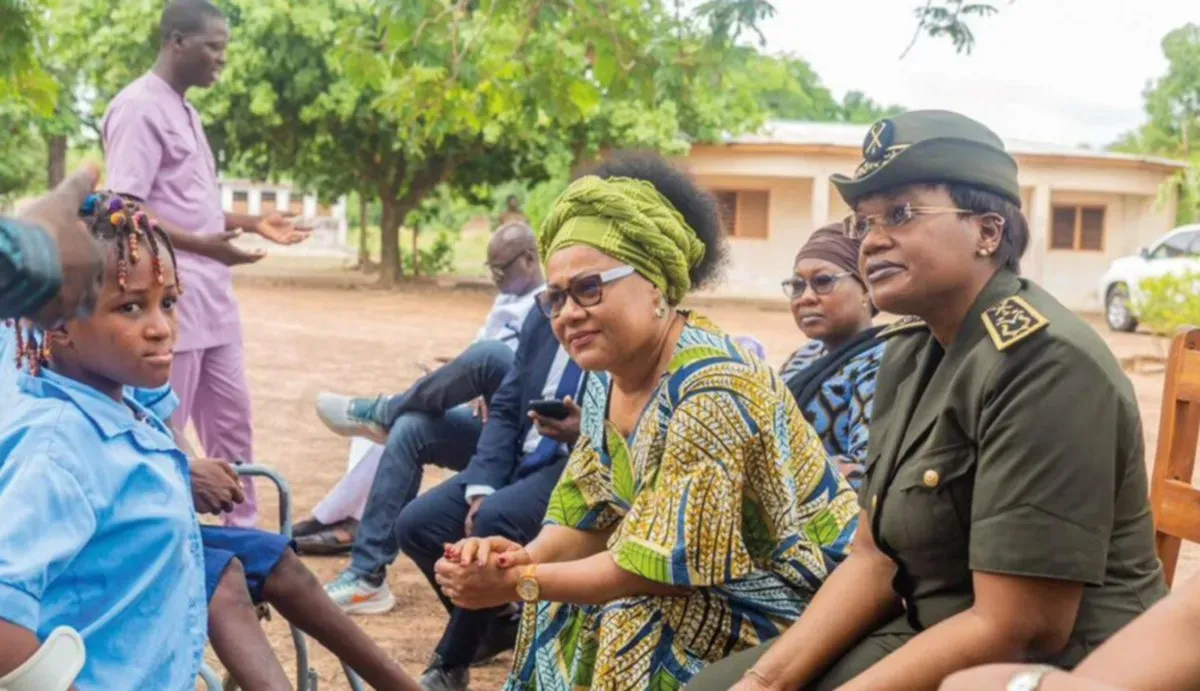
Behind the official rollout of 1,422 new Chance Equality Cards in Benin lies a meticulously structured system designed to dismantle systemic barriers for people with disabilities. This latest batch, personally distributed by Social Affairs and Microfinance Minister Véronique Tognifodé, brings the total number of cards issued to over 6,100—each serving as more than an administrative formality but as a gateway to fundamental rights and social mobility.
From policy to practice: how these cards redefine access
The Chance Equality Card isn’t just another identification document—it’s a legally backed instrument that actively reshapes how people with disabilities interact with public services. Envisioned under Benin’s Law on Protection and Promotion of Rights of Persons with Disabilities, the card ensures preferential access across critical sectors:
- Healthcare: Discounted or free treatments, orthopedic equipment, and priority consultations in public health facilities.
- Education and training: Reduced tuition fees in public schools and vocational institutions, along with priority consideration for scholarships and professional training grants.
- Transport and employment: Priority seating on public transit and incentives for private and public employers to create inclusive hiring pipelines.
Minister Tognifodé framed the initiative as part of a broader state vision to reposition vulnerable populations—not as beneficiaries of charity, but as active stakeholders in national development, free from discrimination and economic marginalization.
The engine of equity: data, verification, and nationwide expansion
Every card issued in Benin is the result of a rigorous, multi-step validation process coordinated between the National Agency for Personal Identification (ANIP) and the network of Single Social Protection Counters (GUPS) across the country’s 12 departments. The process begins with a mandatory medical assessment by state-certified physicians to confirm the degree and type of disability, ensuring only eligible individuals receive the card.
Federation of Associations of Persons with Disabilities in Benin (FAPHB) representatives hailed this structured approach, while urging families and rights holders to complete their applications through local GUPS outlets to unlock these rights. With thousands of pending applications still in review, ANIP and the Ministry of Social Affairs are accelerating nationwide distribution efforts to close gaps and maintain momentum.
More than numbers: real-world transformation in the making
The release of 1,422 new cards is not just a statistical milestone—it signals a deeper, systemic shift. By embedding accessibility into the fabric of public services, Benin is transitioning from symbolic gestures to tangible, day-to-day inclusion. Families report being able to afford critical healthcare, students access education without financial strain, and job seekers gain visibility in labor markets that were once exclusionary.
As the distribution network expands, so does the promise of equity—one card at a time.