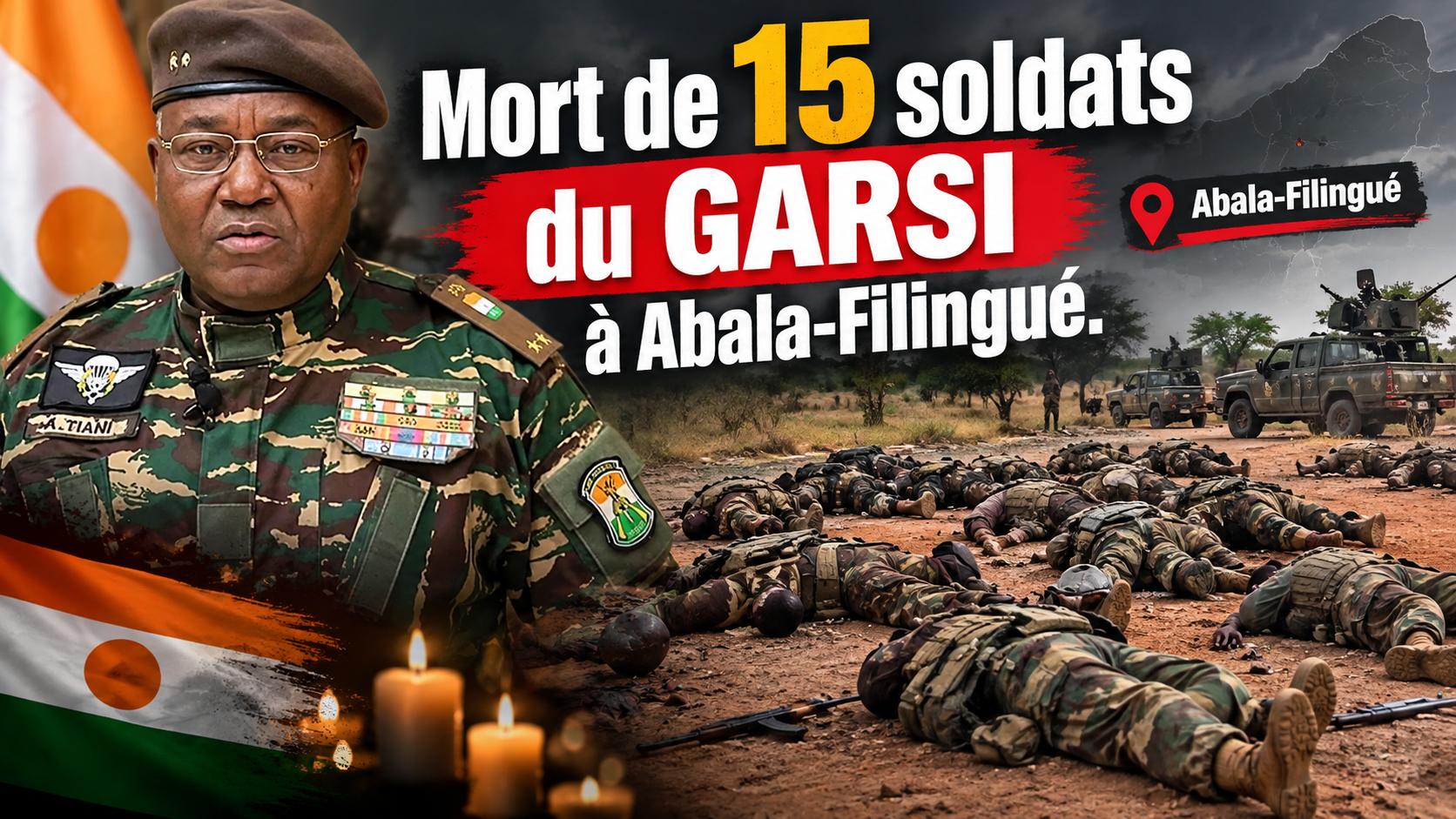
The devastating ambush on a GARSI patrol in Abala-Filingué delivers a stark warning: Niger’s military leadership is hemorrhaging credibility with every casualty. In a single strike, the junta lost nearly a dozen elite troops, including two high-ranking officers, shattering the illusion of control over the Tillabéri region’s spiraling insecurity.
From promise to peril: how a coup masked deeper security failures
When General Abdourahamane Tiani seized power in July 2023, restoring domestic safety became the core justification for his takeover. Yet today, after dozens of deadly ambushes across Niger, the body count tells a different story. The GARSI strike at Abala-Filingué isn’t merely another battlefield loss—it exposes systemic fractures within the junta’s security apparatus that have left frontline units exposed.
Observers point to a pattern of command paralysis and tactical neglect: units deployed without adequate air cover, intelligence gaps left unplugged, and a leadership more focused on consolidating power than coordinating battlefield responses. The result? A security vacuum that terrorists now exploit with near impunity.
Numbers that defy propaganda: the grim tally under the CNSP
Independent conflict monitors have documented an alarming surge in violence since the coup:
- More than 1,500 violent incidents recorded nationwide since July 2023.
- Over 5,800 deaths, including civilians and soldiers, in under two years of military rule.
- 40% rise in civilian casualties in direct attacks compared to pre-coup periods.
- Record military losses, from Koutougou (17 killed) to Tabatol (29 killed), signaling a pattern of vulnerability across the FDS.
These figures starkly contradict official narratives of progress, revealing instead a state losing ground in its own territory. In the “three-border” zone, where the GSIM and EIGS operate with growing coordination, the Abala-Filingué ambush confirms that terrorists now target even elite formations with minimal resistance.
Diplomatic isolation and strategic missteps: the cost of misplaced sovereignty
The junta’s abrupt termination of defense agreements with France and the U.S. stripped Niger’s forces of critical advantages: precision intelligence, long-range drone surveillance, and rapid medical evacuation. While Niamey pivoted toward the Alliance of Sahel States and Russia, the battlefield reality has not improved. Reconnaissance drones are no substitute for tactical foresight, and ground troops continue to absorb heavy losses against mobile, over-armed militias.
Meanwhile, the regime has prioritized political survival—suppressing dissent, restricting press freedoms, and orchestrating staged rallies—over securing either soldiers or civilians. When elite officers like Captain Hassoumie and Adjutant Djindagarey fall in ambushes, it signals a leadership more concerned with self-preservation than national defense.
The human toll: villagers paying for state failure
The death of elite soldiers is a national tragedy, but the civilian population bears the brunt of the collapse. In Tillabéri, terrorist groups have imposed brutal control: extorting zakat, torching schools, seizing markets, and executing dissenters. The humanitarian fallout is severe:
- 450,000 internally displaced persons, forced from homes by advancing jihadists.
- 3.3 million people facing acute food insecurity due to closed trade routes and abandoned farmland.
- Hundreds of shuttered schools, denying thousands of children education and hope.
Time for reckoning: beyond slogans to real security
The Abala-Filingué ambush has pierced the junta’s carefully crafted narrative of strength and recovery. It cannot be dismissed with nationalist rhetoric or blamed on external enemies. The deaths of Captain Hassoumie, Adjutant Djindagarey, and their comrades lay bare the regime’s failure to protect either its troops or its people.
Legitimacy, for any government, is measured not by the streets of Niamey, but by the safety of soldiers on patrol and families in villages. Without a radical rethink—abandoning dogma in favor of real strategy—the Niger will continue its dangerous descent into chaos.