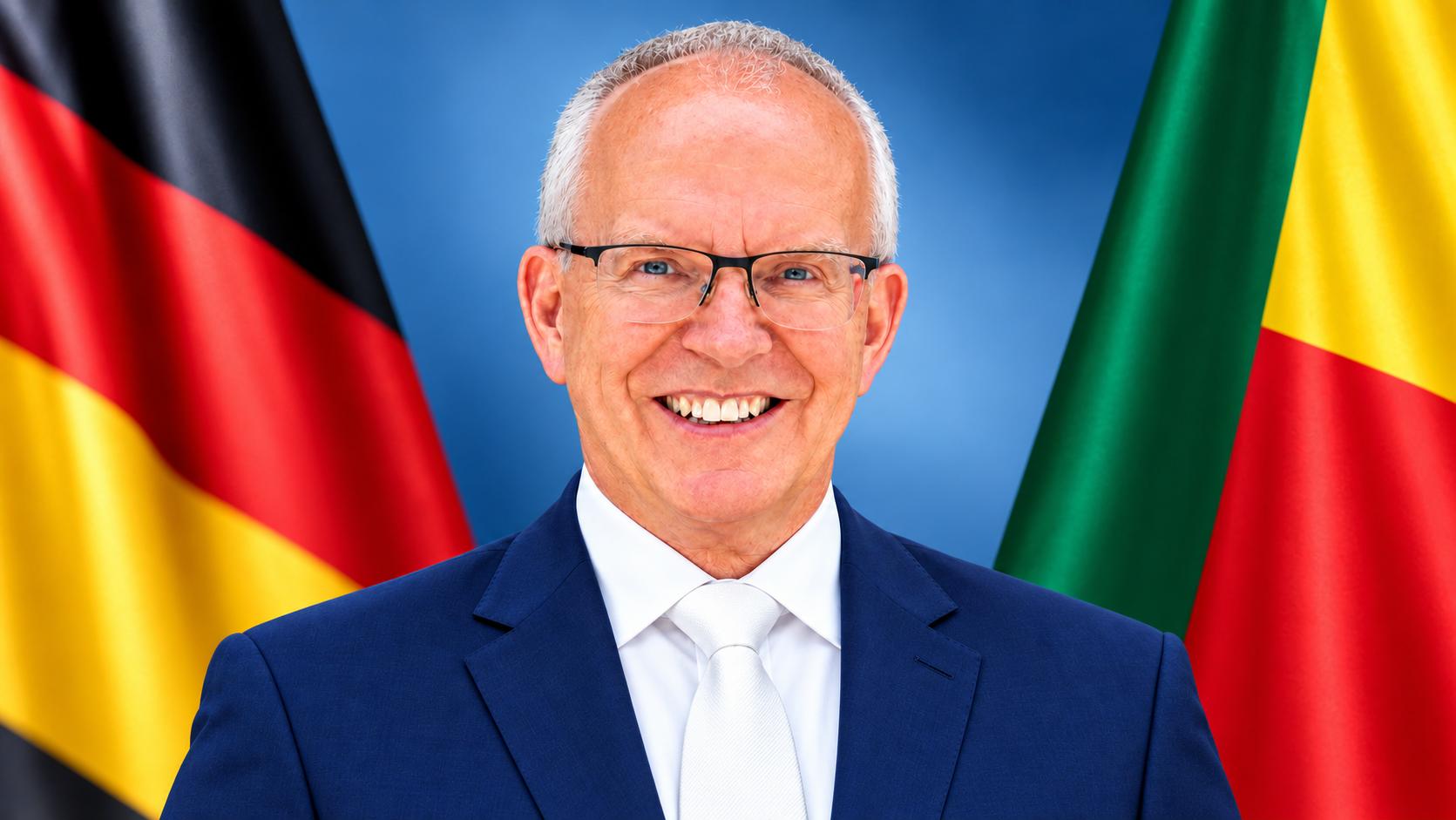
The Republic of Benin and the Federal Republic of Germany are set to formalise a landmark security agreement designed to enhance regional stability and unlock new economic opportunities. This move follows a series of strategic consultations culminating in Berlin’s pledge to support Cotonou’s border security and economic transformation.
Strategic security collaboration takes centre stage
With cross-border threats from non-state armed groups escalating in northern Benin, Germany is stepping up its security cooperation with the West African nation. The upcoming bilateral pact will formalise a structured defence partnership, focusing on institutional support, joint training initiatives, and equipment upgrades for Benin’s armed forces and security services.
Key elements include enhanced intelligence-sharing protocols, joint military exercises, and capacity-building programmes tailored to counter asymmetric threats along Benin’s northern borders. The agreement will also facilitate regular high-level engagements between defence officials to align threat assessments and response strategies.
Germany’s Ambassador to Benin, Dr Stefan Buchwald, highlighted the urgency of this collaboration during recent diplomatic engagements, stating that Berlin views the security partnership as a cornerstone of its broader West African policy.
Three pillars to drive sustainable development
Beyond security, Germany’s development cooperation with Benin is built on three critical pillars designed to foster long-term prosperity:
- Governance and decentralisation: Strengthening public financial management and empowering local governments to deliver essential services more effectively.
- Private sector and vocational training: Bridging the skills gap by aligning training programmes with market demands to reduce youth unemployment and stimulate economic growth.
- Natural resource management: Promoting sustainable practices in biodiversity conservation and water resource management to protect Benin’s ecological assets.
Economic ties set to expand with new investments
The bilateral relationship is poised for further expansion as Germany seeks to deepen commercial ties with Benin. The Glo-Djigbé Industrial Zone (GDIZ) and the Benin Investment and Export Promotion Agency (APIEx) are highlighted as key drivers of this economic push, offering streamlined procedures and incentives for German businesses.
Ambassador Buchwald also underscored the importance of reopening Benin’s embassy in Berlin, a move expected to facilitate smoother diplomatic and economic exchanges. The reinstatement of full-scale diplomatic representation is seen as a critical step in strengthening trade negotiations, fostering mutual investments, and accelerating project implementation.
Next steps: formalisation and implementation
The finalisation of the security pact and the expansion of economic cooperation signal a new chapter in Benin-Germany relations. Both nations are now focused on translating these agreements into tangible outcomes, with plans to launch joint initiatives in the coming months. The emphasis on security stability and economic resilience positions Benin as a strategic partner in Germany’s evolving engagement with West Africa.
As the two countries move towards official endorsement of these agreements, stakeholders anticipate measurable progress in border security, economic diversification, and sustainable development for Benin’s citizens.