
Benin conference highlights human-centered reforms and political stability
Leaders from religious, political, and civil society spheres gathered in Cotonou for a pivotal conference hosted by the Institute of Artisans for Justice and Peace (IAJP). The July 2026 event centered on a critical theme: “Rule of Law and Political Alternation in Africa: A Cornerstone for Stability and Growth.”
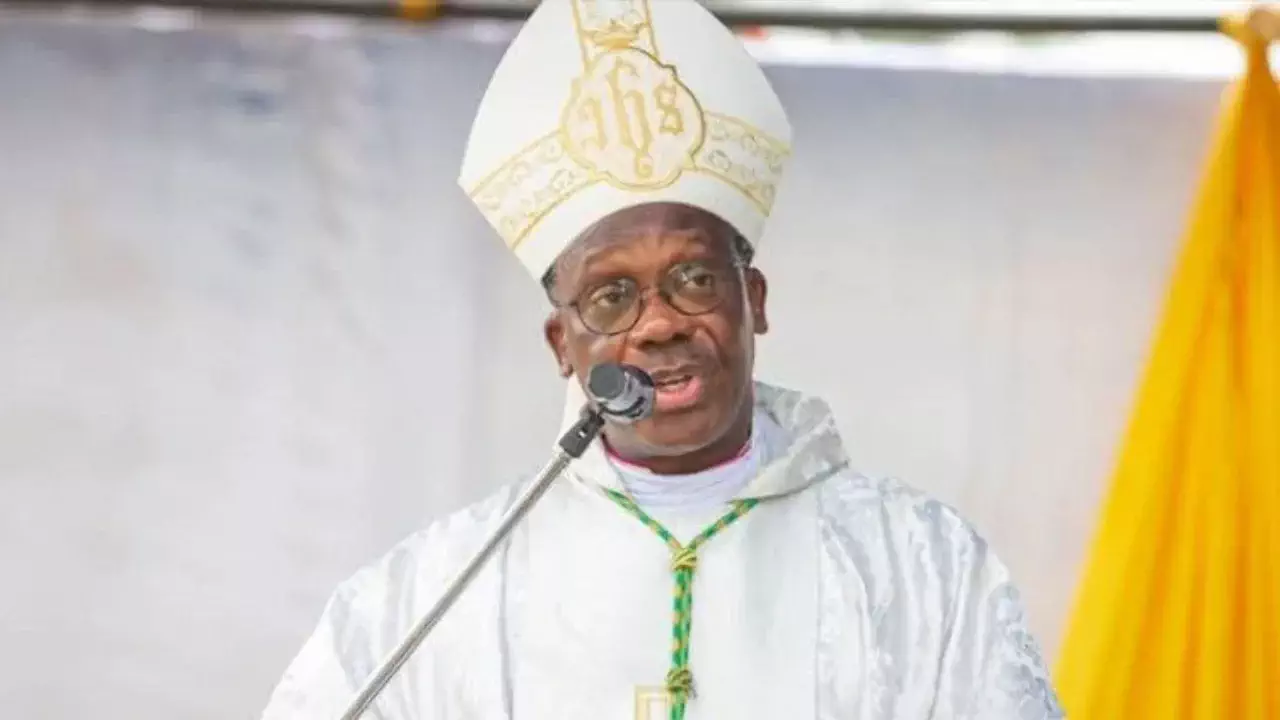
Key takeaways from Mgr Roger Houngbédji’s address
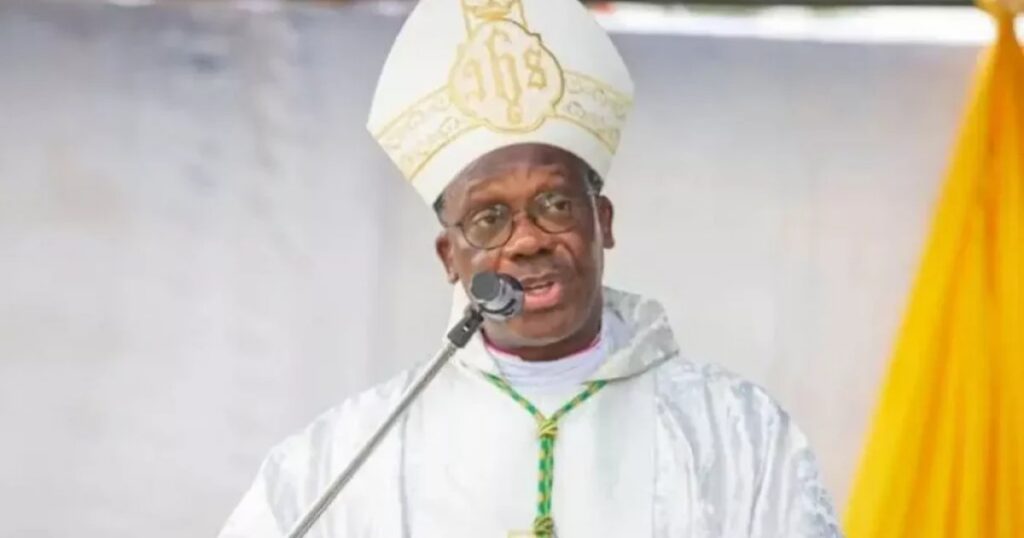
Archbishop Roger Houngbédji of Cotonou opened the discussion by framing Africa’s development as a delicate balance between institutional strength and economic prosperity. He emphasized that sustainable progress hinges on three pillars: robust rule of law, transparent governance, and an independent judiciary. Without these foundations, growth remains fragile and uneven, he warned.
Benin’s progress under scrutiny
Drawing on Benin’s recent reforms, the Archbishop praised initiatives that have reshaped the nation’s business climate and judicial framework. Among these were:
- The establishment of the Commercial Court to streamline trade disputes
- The modernization of business laws to attract investment
- The creation of the Court for Economic and Terrorism Offenses (Criet) to combat corruption
These measures have earned Benin higher rankings in global competitiveness indexes. However, the Archbishop cautioned that economic gains alone cannot guarantee a thriving democracy. He highlighted lingering concerns over public freedoms, judicial independence, and the depth of democratic consolidation—issues that demand urgent attention.
Human development as the ultimate goal
Central to his message was the principle of integral human development, a concept rooted in Catholic Social Teaching. Houngbédji argued that true progress transcends GDP growth, advocating for policies that uplift citizens’ daily lives, uphold social justice, and protect individual dignity. “A nation’s wealth is measured not by its reserves, but by the well-being of its people,” he asserted.
The Church’s role in fostering peace
The Archbishop underscored the Church’s long-standing role as a mediator during political crises in Benin. From navigating the 2019 post-election tensions to advocating for peaceful elections in 2026, the institution has consistently championed dialogue over division. While it does not seek to replace state institutions, the Church provides a vital space for reconciliation and national unity.
In closing, Houngbédji called on African leaders to harmonize economic efficiency with justice, pluralism, and fundamental rights. “The future of our continent depends on choices made today,” he concluded. “Let us build not just stronger economies, but fairer societies.”


More Stories
Sonko’s sharp critique of Senegal’s imf deal stirs debate
Cameroun : prendre des mesures incitatives pour booster les inscriptions sur les listes électorales
DRC’s new inclusive national dialogue: what outcomes can be expected?