After decades as a tourism underdog, Bénin is now reaping the rewards of a bold, decade-long strategy. Nearly €2 billion (about 1,200 billion CFA francs) has been poured into revamping its cultural heritage, upgrading hotel facilities, and enhancing its tourism infrastructure. The result? A growing influx of visitors from across West Africa, with Nigeria emerging as its most influential neighbor and driving force.
Why Nigeria is fueling Bénin’s tourism boom
The rise of a busy travel corridor between Lagos and Cotonou is a game-changer for Bénin’s tourism sector. With Lagos—a city of over 20 million people—just 90 minutes away by road, the benefits are immediate and substantial.
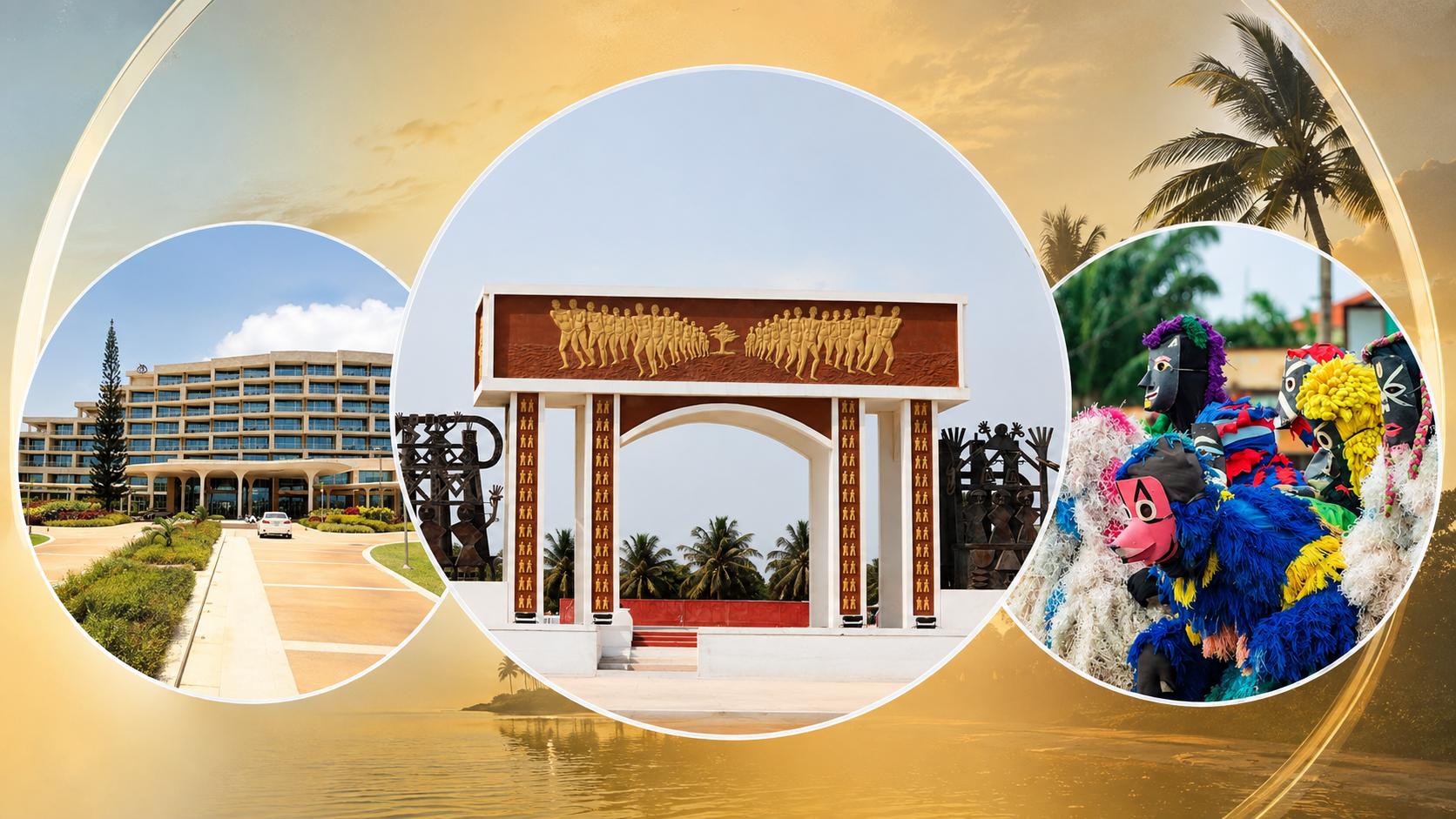
This strategic proximity has transformed weekend travel habits. At the Sofitel Cotonou Marina, Bénin’s first five-star hotel opened in late 2024, Nigerian guests now dominate weekend bookings. They come seeking relaxation, leisure, and high-end hospitality, boosting occupancy rates and revenue for local businesses.
The ease of access plays a major role. Bénin’s open-door visa policy for African travelers and direct land connections via the Lagos-Cotonou route eliminate the need for costly regional flights, making the journey smoother and more affordable.
Cultural festivals draw global crowds
Beyond leisure travel, Bénin’s rich ancestral traditions are drawing record numbers of visitors. Its cultural events are no longer just local attractions—they’re becoming major regional and international draws.
Take the Vodun Days in Ouidah. The 2026 edition shattered expectations, attracting over 740,000 attendees—up from 435,000 in 2025 and just 97,000 in 2024. Of the 144,000 foreign visitors, 14.9% came from Nigeria, placing it third among source countries, after Togo (20%) and France (36%). The festival’s growing international profile is a testament to Bénin’s ability to leverage its spiritual and cultural heritage as a tourism magnet.
Similarly, the International Mask Festival in Porto-Novo has seen a surge in popularity. Its third edition featured dazzling performances, including the iconic Eyo mask from Nigeria and the Zaouli mask from Côte d’Ivoire—both symbols of deep cultural exchange across West Africa.
Infrastructure upgrades pave the way for growth
To support this surge and meet its ambitious goal of welcoming 2 million tourists annually by 2030, Bénin is rapidly expanding its tourism infrastructure.
Major projects include:
- International Vodun Museum (Porto-Novo): A €27 million public investment (18 billion CFA francs) nearing completion.
- Club Med Avlékété: A luxury resort with 336 rooms, under construction for a €100 million investment (65.6 billion CFA francs), set to open in 2027.
- Global hotel brands: Plans to welcome Hilton to Cotonou by 2028, along with new international hotel projects in Ouidah.
To further capitalize on this momentum, the 2027 Vodun Days will expand to a full seven-day event, running from January 2 to 9. This longer duration aims to drive higher occupancy rates, increase local economic benefits, and solidify Bénin’s position as a premier cultural and leisure destination in West Africa.