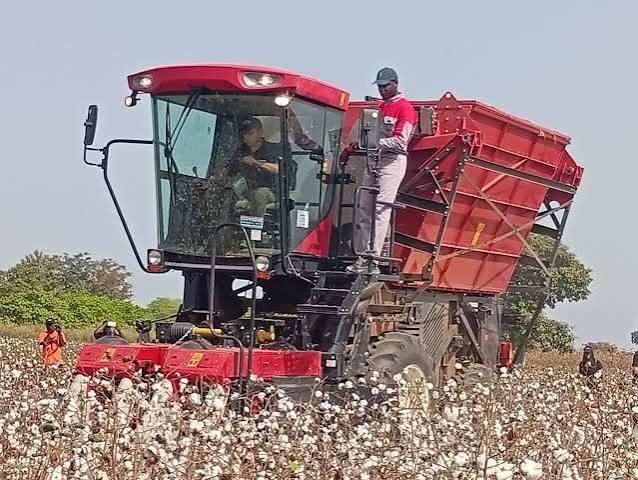
The Beninese government is poised to launch a decisive agricultural innovation with the 2026-2027 cotton campaign. A groundbreaking intensification pilot program aims to turn the tide on declining yields by testing advanced farming techniques and resource management during the 2026 short rainy season.
Unlike previous initiatives that relied on generalized recommendations, this pilot will deploy direct agricultural advisory services across three critical agricultural development zones (poles 2, 3, and 4). The comprehensive strategy combines precision farming methods with meticulous input tracking to maximize output per hectare.
Ground-level transformation: how agronomists are reshaping cotton farming
The program introduces a hands-on approach where specialized agricultural consultants work side-by-side with producers. Their mission extends beyond traditional guidance, encompassing technical training on modern cultivation practices and operational optimization of farm activities.
The key pillars of this transformation include:
- Advanced technical itineraries: Redesigned cultivation processes that integrate climate-smart practices
- Input precision management: Rigorous tracking from procurement to field application
- Yield gap analysis: Continuous monitoring to identify and address underperformance factors
Digital leap: real-time tracking from seed to bale
A dedicated digital platform will serve as the program’s backbone, enabling precise parcel geolocation and participant identification. This tool will meticulously document input usage throughout the cultivation cycle, culminating in harvest weighing to generate accurate production data.
The digital ecosystem will create an unprecedented traceability chain connecting:
- Specific farming plots with their cultivation records
- Applied agricultural practices with their respective outcomes
- Input utilization patterns with final yield metrics
From pilot to nationwide change: scaling success in 2027
The initiative received government approval in September 2026 and represents Benin’s first major step toward its Green Benin 2033 agricultural vision. The pilot phase will determine whether this comprehensive approach can be replicated across the country’s cotton belt and potentially extended to other strategic agricultural sectors.
Critical components of the Green Benin strategy integrated into this program include:
- Climate resilience enhancement
- Market-ready harvest optimization
- Social protection mechanisms for farming households
Logistics orchestration: the missing link in cotton production
Beyond field production, the program addresses long-standing challenges in the cotton value chain. Authorities are prioritizing improved coordination between producers, transport associations, and ginning factories to ensure seamless cotton movement from field to processing units.
The planned interventions include:
- Streamlined transportation agreements
- Timed harvesting and transportation schedules
- Enhanced storage capacity at processing facilities
This holistic approach recognizes that agricultural intensification requires equal attention to post-harvest systems to prevent potential bottlenecks that could negate production gains.
The moment of truth: when results will dictate Benin’s agricultural future
The success of this pilot will be measured not just in quantitative yield improvements but in the program’s ability to address systemic challenges. Government officials have stressed the importance of these 2026 results as the foundation for a potential 2027 nationwide implementation.
The coming months represent a turning point where Benin’s cotton sector may finally overcome decades of stagnation. By combining technical innovation with digital tracking and logistical reform, the government is betting on a model that could revolutionize not just cotton production, but the entire agricultural landscape of West Africa.