From overcrowded cells to mass casualties: the tragic turning point in Nigeria’s prison system
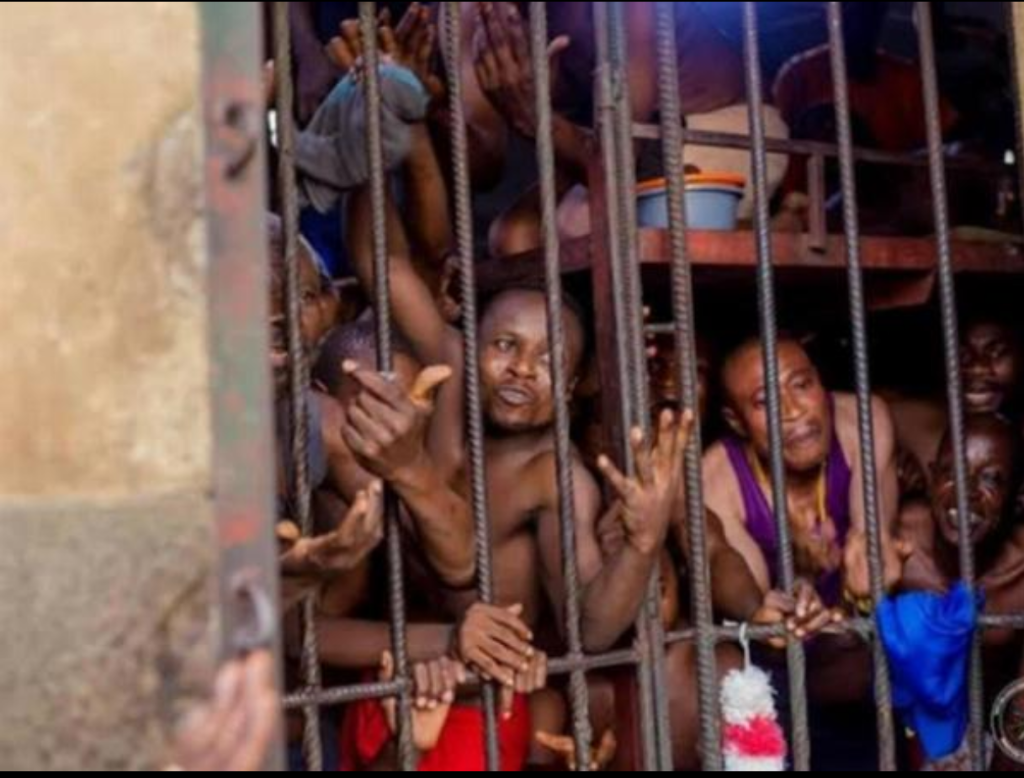
The night of September 16–17, 2026, in Minna, Niger State, Nigeria, became a defining moment in the continent’s struggle with prison overcrowding. A single 12-square-meter cell, crammed with nearly 50 detainees, witnessed the deaths of 33 individuals within hours—including 14 children. The circumstances surrounding their demise have exposed systemic failures that demand immediate action.
Broken systems: the recipe for a preventable disaster
The tragedy unfolded in a facility managed by the Nigeria Security and Civil Defence Corps (NSCDC). An independent inquiry, whose findings were released on October 27, identified a lethal combination of factors as the cause of death: extreme overcrowding, stifling heat, inadequate ventilation, dehydration, and a complete breakdown in supervision. Survivors reported drinking their own urine or sweat to stay alive, while guards allegedly ignored distress calls for hours.
The report described conditions as cruel, inhuman, and degrading. Crucially, the commission determined that these deaths were entirely preventable—had basic measures been in place. Among the findings:
- Detainees lacked access to clean drinking water and functional toilets.
- Children were held alongside adults, violating international standards for juvenile detention.
- Some individuals were detained without legal justification, in violation of due process.
Accountability takes center stage: who answers for 33 lives lost?
While initial reports suggested 37 fatalities, the final toll confirmed by Nigerian authorities and the investigative commission stands at 33 deaths—14 of them minors—with 41 survivors. The probe has since uncovered severe irregularities, including unlawful arrests and prolonged detention without trial.
The commission has recommended sanctions for negligent staff, legal proceedings where warranted, and compensation for victims’ families and survivors. Yet the implications extend far beyond Nigeria’s borders. The question looms: how many more lives must be lost before systemic change is enacted across the continent?
African prisons at a breaking point: a crisis decades in the making
This disaster is not an isolated incident but the latest manifestation of a deep-rooted crisis plaguing African penitentiary systems. According to the Prison Matters 2025 report by the UN Office on Drugs and Crime (UNODC), nearly 90% of African countries with available data operate prisons beyond official capacity. Globally, over 60% face similar overcrowding issues.
Behind these staggering statistics lie structural failures: aging infrastructure, underfunded administrations, and an overreliance on pretrial detention. In 2023, UNODC data revealed that 37% of incarcerated individuals in Africa were awaiting trial—often for years—while presumed innocent. Slow judicial processes, a shortage of magistrates, and restricted access to legal defense only exacerbate the problem, pushing prisons to their breaking point.
Beyond bricks and mortar: reimagining justice for a humane system
Prisons should never become death traps, nor should they strip detainees of their fundamental dignity. For justice to prevail, African nations must move beyond mere construction projects and address the root causes of this crisis.
Key reforms include:
- Expediting judicial proceedings to reduce pretrial detention periods.
- Expanding access to legal aid and community-based alternatives to incarceration.
- Renovating existing facilities to ensure humane conditions, including clean water, sanitation, and proper ventilation.
- Implementing independent oversight mechanisms to monitor detention centers.
The UN’s Nelson Mandela Rules underscore that all detainees must be treated with respect and humanity. Compliance with these standards is not optional—it is a moral and legal imperative.
The human cost: 33 lives, 14 children, and a call to action
In Minna, 33 lives were snuffed out in a space too small for survival, let alone dignity. Fourteen of those lost were children—victims of a system that failed them at every turn. This tragedy must serve as a turning point, not just for Nigeria, but for all African nations grappling with the same crisis.
The path forward is clear: governments must prioritize human rights over punitive measures, invest in rehabilitation, and ensure that justice no longer comes at the cost of human life. The alternative—a continued cycle of suffering and preventable deaths—is no justice at all.