Moscow 2026 summit signals a turning point for Benin-Russia relations
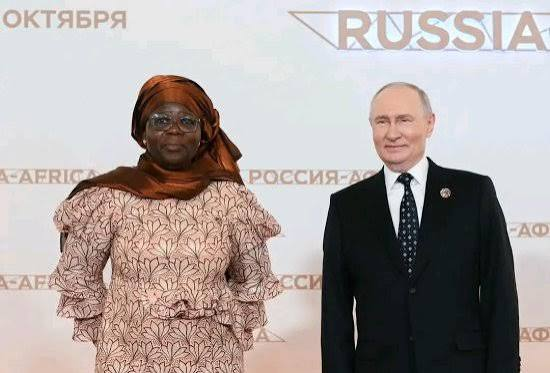
The Vice President of Benin, Mariam Chabi Talata, has just delivered a defining moment in the country’s foreign policy by championing a bold new chapter in economic cooperation with Russia during the third Russia-Africa Summit in Moscow. This high-level engagement underscored a decisive shift toward mutually beneficial partnerships that prioritize sustainable growth, innovation, and local value creation across both nations.
From Cold War legacy to modern partnership: the long road to Moscow
Benin’s diplomatic ties with Russia stretch back to 1962, rooted in a shared history of cooperation that blossomed during the 1970s and 1980s. During that era, thousands of Beninese students and professionals trained in Soviet universities, laying the foundation for a resilient cultural and technical exchange. Now, decades later, Chabi Talata’s mission in Moscow signals a strategic evolution—transforming this historical friendship into a forward-looking economic alliance.
Key moments that shaped Benin-Russia collaboration
- 1962: Diplomatic recognition between Benin (then Dahomey) and the Soviet Union
- 1970s–1980s: Intensive training programs in education, health, and defense for Beninese citizens
- 2026: A decisive pivot toward diversified, value-driven economic partnerships
Rethinking cooperation: from rhetoric to tangible results
The third Russia-Africa Summit in 2026 served as a platform to assess the progress of the 2023–2026 Action Plan, but its real significance lay in setting the agenda for 2027–2029. Unlike previous forums, this year’s event emphasized pragmatic outcomes over ceremonial rhetoric. For Benin, the challenge was clear: move beyond traditional exchanges and forge partnerships that deliver real economic dividends to its people.
Chabi Talata’s participation in the Economic and Humanitarian Forum highlighted a central message: African nations must anchor their international collaborations in structural transformation. This means prioritizing sectors where collaboration can catalyze local innovation, job creation, and long-term sustainability.
What’s next for Benin in Moscow’s diplomatic playbook
The summit concluded with the drafting of a joint declaration and a renewed action program—both set to be finalized in the coming months. For Benin, this represents more than a diplomatic milestone; it is a declaration of intent. By positioning itself at the forefront of Africa-Russia economic diplomacy, Cotonou is signaling its readiness to negotiate from a position of strength, ensuring that every partnership aligns with national development goals.
The Moscow summit has become a landmark moment, not just for Benin, but for the entire continent. It demonstrates how a nation can leverage historical alliances to build a future defined by equitable cooperation, innovation, and shared prosperity.