Dakar 2026: the ripple effect — how Africa’s youth Olympics spark global debate
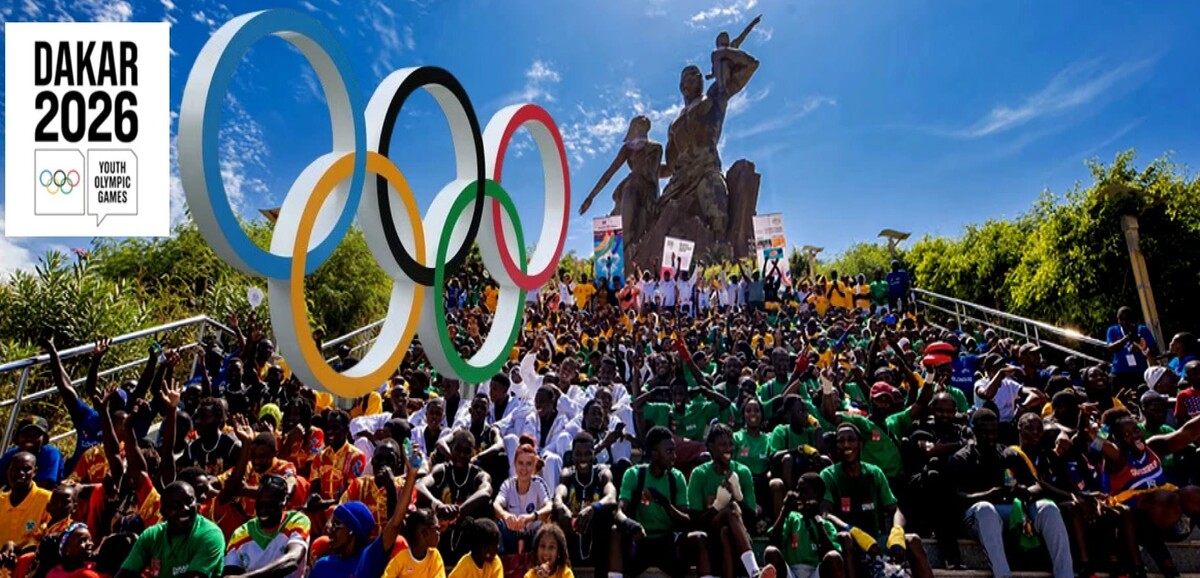
Analysis. The first-ever Youth Olympic Games on African soil kicked off in Senegal on October 31, 2026. Over two weeks, nearly 2,700 young athletes from over 200 countries will compete across 25 disciplines in Dakar, Diamniadio, and Saly. But beyond medals and records, the event has already ignited public discourse about Africa’s role in the Olympic movement and what these Games will leave behind.
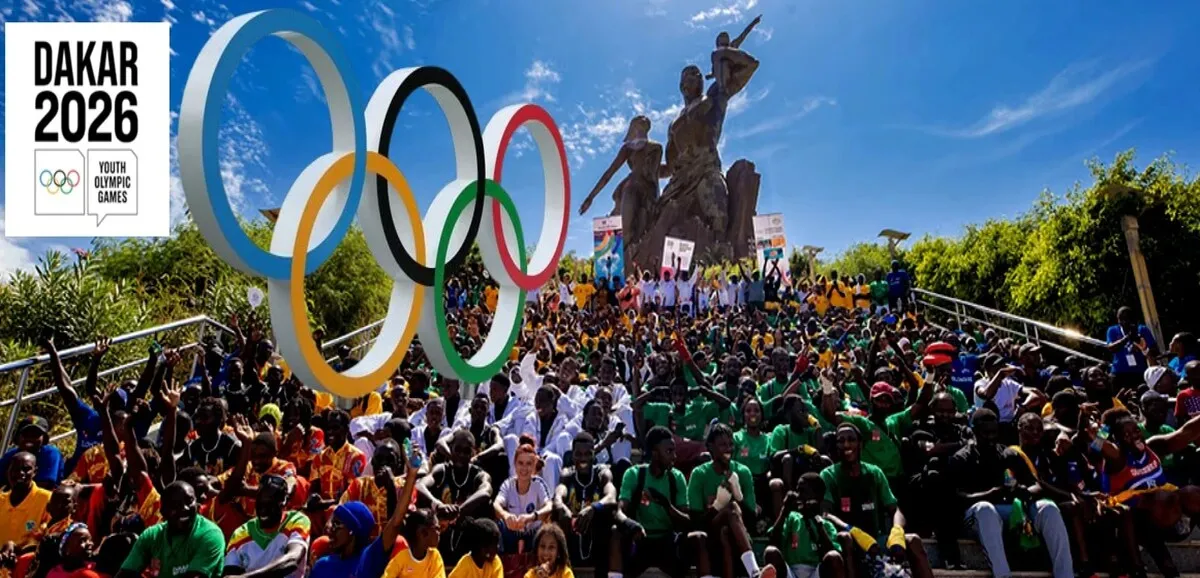
The debate ignites: Senegal’s Games force a reckoning on youth, sport, and identity
As the Olympic cauldron was lit in Dakar, the world’s gaze turned to Africa. Senegal’s decision to host the Youth Olympic Games in 2026 was not just a sporting choice—it was a cultural statement. From the moment the torch was carried through 14 regions, conversations began: Can Africa redefine what it means to be an Olympic host? What legacy will these Games leave beyond the podium? Discussions have spilled into classrooms, boardrooms, and social media feeds, with critics questioning whether the continent is ready—and optimists arguing that this is the breakthrough moment Africa has waited for.
A continent at the center of the Olympic conversation
For decades, Africa’s representation in the Olympics has often been limited to a handful of events and medal counts. Dakar 2026 changes that narrative. By placing the Youth Olympic Games on African soil for the first time, the International Olympic Committee (IOC) has elevated the continent to center stage. The Games are not only about sport—they’re about visibility, voice, and the power of youth. Delegations from over 200 nations are arriving, each bringing stories of resilience and ambition. Among them is the first-ever Olympic refugee team based in Africa, a symbol of inclusion and hope amid displacement crises across the continent.
Refugee athletes break barriers on the continental stage
The inclusion of a refugee team composed of young athletes living in Africa marks a milestone in Olympic history. These athletes, many displaced by conflict or poverty, are not just competing—they are challenging perceptions of who belongs on the world’s biggest stage. Their participation sends a powerful message: sport is a universal language that transcends borders, languages, and backgrounds. Senegal’s organizers have positioned this moment as a call to action, urging global support for refugee empowerment through sport and education.
Beyond the medals: what’s next for African sport?
The excitement of Dakar 2026 is matched only by the anticipation of what comes next. The Games are expected to accelerate infrastructure development in Dakar, Diamniadio, and Saly—venues that may become hubs for future sporting events and youth engagement programs. But the real impact will be measured in human terms: the young athletes who return home inspired, the communities touched by the Games, and the potential for African sport to finally receive the investment and recognition it deserves. The public debate is already shaping policy discussions across the continent, with governments and NGOs examining how to sustain the momentum.
The world is watching—and responding
- Media spotlight: Global coverage has focused not only on results but on Africa’s growing influence in the Olympic movement.
- Youth engagement: Schools and grassroots programs are using the Games as a teachable moment about health, discipline, and international cooperation.
- Cultural exchange: From the opening ceremony to daily cultural showcases, the Games are a platform for African traditions to reach a global audience—challenging stereotypes and celebrating diversity.
- Economic ripple: Local businesses, hotels, and transportation systems are preparing for a surge in visitors and long-term tourism benefits.
Legacy in the making: can Dakar 2026 change the game?
As Day 3 of competition begins, one thing is clear: Dakar 2026 is more than a sporting event. It’s a cultural, social, and political statement. The fallout from these Games—positive or negative—will shape Africa’s identity in the Olympic world for years to come. Will the continent gain a stronger voice? Will youth participation in sport skyrocket? Will the world finally see Africa not as a destination for aid, but as a leader in global sport? The answers are still unfolding. But one fact stands undeniable: Senegal has not just hosted Africa’s first Youth Olympic Games—it has sparked a movement.