From October 28 to 30, Cotonou is not just hosting guests—it’s hosting Africa’s future. The 12th African Think Tanks Summit (#ATTS2026) has converged in Benin’s economic capital, transforming the city into a critical nerve center for reshaping the continent’s energy landscape. This high-stakes gathering of policymakers, thought leaders, and development partners is no ordinary conference: it’s a turning point where the conversation shifts from energy access to economic transformation.
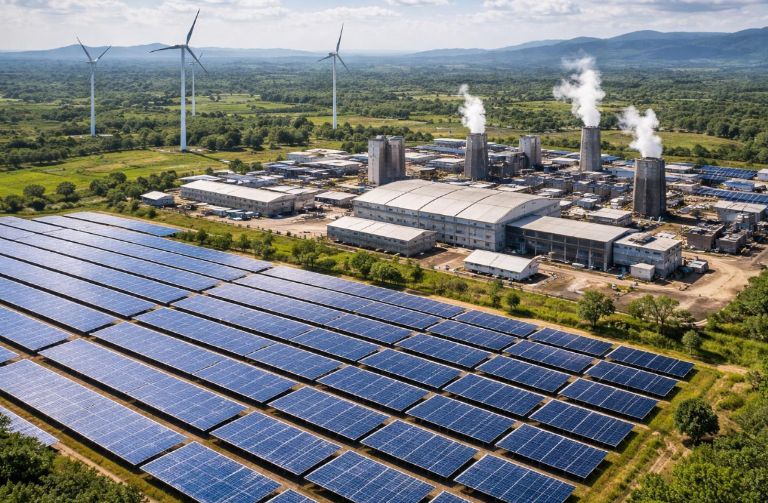
Breaking new ground: energy as the engine of African growth
The summit, organized by the African Capacity Building Foundation (ACBF) in partnership with the Government of Benin and the African Union Commission, is focused on a single, powerful question: How can Africa move beyond merely supplying electricity to using energy as a catalyst for industrialization, innovation, and inclusive economic progress?
For decades, energy discussions on the continent have centered on expanding access—connecting households, businesses, and farms to the grid. But this year’s summit marks a decisive shift. Participants are no longer asking *if* energy access should improve; they are asking how energy can drive productivity, competitiveness, and sustainable development. The conversation has evolved into a strategic blueprint for turning electricity from a basic service into a powerful economic tool.
Transforming volts into value: the three pillars of success
The discussions in Cotonou rest on three interconnected pillars—each essential to unlocking the continent’s energy-powered economic transformation:
- Reliability over reach: power that works when needed
Access means little if the power doesn’t flow consistently, affordably, and at scale. Irregular supply disrupts manufacturing, erodes investor confidence, and stifles local enterprise growth. The summit is emphasizing policies that ensure not just connection, but continuous, high-quality electricity—one that matches the demands of industries, agriculture, and services.
- Institutions that innovate, not just regulate
Countries across Africa are rich in energy potential, yet many struggle to translate infrastructure investments into real economic outcomes. The gap isn’t just in wires or turbines—it’s in governance. The summit highlights the urgent need to strengthen institutions responsible for energy planning, regulation, and reform implementation. Without capable, agile public institutions, even the best energy projects can fail to deliver tangible benefits.
- Finance that flows and reforms that deliver
No transformation happens without investment. But money alone isn’t enough. The summit is calling for financing models that align affordability with sustainability—balancing the need for private capital with public accountability. Structured financing, blended funding, and performance-based partnerships are being examined as tools to de-risk investments while ensuring long-term viability for consumers and operators alike.
Local impact, global implications: why Cotonou matters
While the summit attracts leaders from across Africa and beyond, its impact is deeply local. In Cotonou, energy is not a distant policy debate—it’s a daily reality shaping entrepreneurship, public services, and urban development.
For small businesses, reliable electricity can mean the difference between stagnation and growth. For hospitals and schools, it’s the difference between function and failure. For city governments, it’s the foundation of smart, inclusive urban planning. Mayor Luc Gnacadja has underscored this connection: “Energy is not just a utility—it’s a development engine. We must design policies that reflect that reality in our streets, markets, and neighborhoods.”
From promises to progress: what comes next after the summit?
The 12th African Think Tanks Summit is more than a platform for dialogue—it’s a call to action. Over three days, delegates are not only sharing insights but committing to concrete steps that will shape Africa’s energy future:
- Policy roadmaps: Each participating country is expected to refine or adopt national energy strategies that align with economic transformation goals, integrating energy access with industrial and agricultural productivity targets.
- Institutional capacity building: Training programs and technical support will be launched to strengthen the ability of energy ministries, regulators, and utilities to design, implement, and monitor effective reforms.
- Investment frameworks: New financing mechanisms—including public-private partnerships and climate-aligned funds—are being formalized to accelerate the modernization of energy grids and the deployment of off-grid solutions in rural and peri-urban areas.
- Monitoring and accountability: A continental energy impact dashboard is being proposed to track progress in real time, ensuring that energy investments yield measurable returns in GDP growth, job creation, and poverty reduction.
Cotonou’s call: Energy with purpose, growth with substance
As the summit concludes, one message resonates clearly: Africa is no longer waiting for energy to arrive. It is now demanding that energy work. The blueprint emerging from Cotonou is about more than lights in homes—it’s about lighting a path to prosperity.
The question is no longer whether energy access will transform Africa. It is whether Africa’s leaders, institutions, and investors will seize this turning point—to turn watts into wealth, grids into growth, and electricity into opportunity.
In Cotonou, the moment has arrived. The time for action is now.