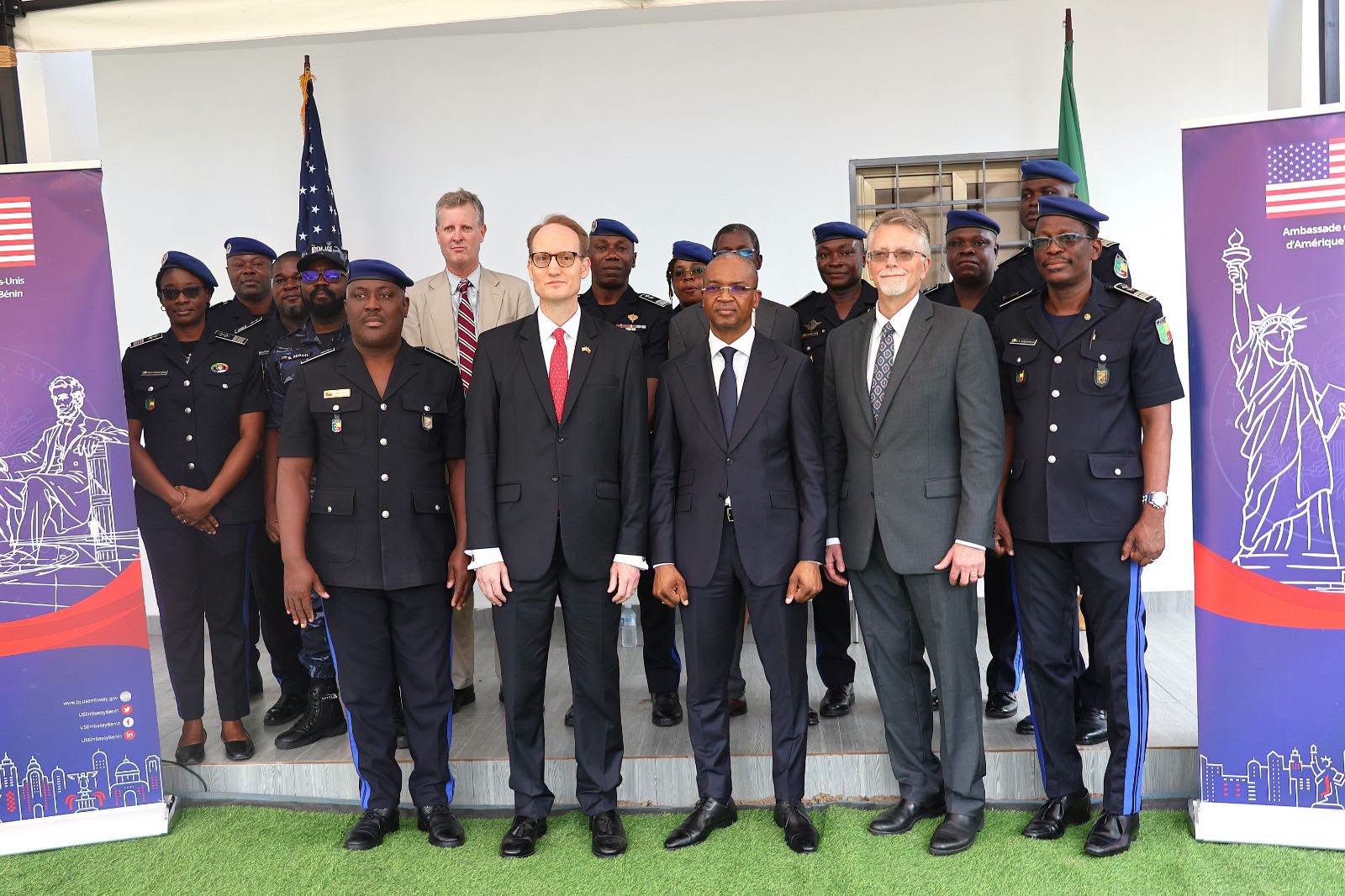
The shifting tactics of terrorist cells along Benin’s northern frontiers have forced a fundamental rethink of how the country’s security apparatus operates. Behind the scenes, a quiet but decisive transformation is underway—one that combines hardened infrastructure with cutting-edge investigative tools to reshape Benin’s counterterrorism strategy from reactive patrolling to proactive, evidence-based enforcement.
The silent revolution in Benin’s policing infrastructure
For decades, Benin’s security model relied heavily on visible patrols, checkpoints, and rapid response units. But as armed factions exploit porous borders and blend into local communities, the government realized that physical presence alone was no longer enough. The solution lay not in more boots on the ground, but in upgrading the forensic and investigative backbone of the Republic Police.
The centerpiece of this shift is a fully renovated facility in Cotonou, designed to meet international forensic standards. Unlike traditional police stations, this hub features climate-controlled evidence storage, secure data vaults, and modular labs capable of processing digital, biological, and ballistic evidence simultaneously. These upgrades weren’t just cosmetic—every wall, door, and partition was engineered to withstand tampering and maintain the chain of custody required in modern courts.
From static patrols to dynamic intelligence
What makes this transformation truly consequential isn’t the buildings themselves, but the tools they now house. Specialized units within the Republic Police have been equipped with:
- AI-powered link analysis software to map financial, communication, and logistical networks used by terror cells
- Portable biometric scanners for rapid suspect identification in the field
- Automated document authentication systems to detect counterfeit IDs or forged travel permits
- Secure encrypted comms platforms that integrate with regional intelligence-sharing networks
Behind the scenes: how evidence becomes justice
An investigative dossier no longer relies on witness statements alone. In the new system, every piece of evidence—from a discarded phone to a bloodstain—is processed through a rigorous, multi-step pipeline:
- Collection: Officers use standardized kits to preserve evidence at crime scenes, reducing contamination risks.
- Analysis: Forensic experts employ next-gen tools to extract digital footprints, chemical signatures, or DNA profiles.
- Linking: AI cross-references data points to identify hidden networks or recurring financial nodes.
- Presentation: Dossiers are compiled in court-ready formats, complete with visual timelines and corroborating evidence.
This systematic approach is already showing results. In recent cases, investigators have traced illicit arms shipments to transnational trafficking routes within days—not weeks or months—by leveraging the new digital tools. The outcome? Fewer suspects evading justice due to procedural gaps, and a higher conviction rate in terrorism-related trials.
More than hardware: the human side of reform
The infrastructure and equipment are critical, but the transformation goes deeper. To ensure these tools are used effectively, the government has launched a parallel training program for over 800 police officers. The curriculum covers:
- Protocols for handling sensitive evidence without compromising integrity
- Ethical guidelines for AI-assisted investigations to prevent bias or misuse
- Inter-agency cooperation frameworks for sharing forensic data with neighboring countries
These measures are part of a broader push to align Benin’s security apparatus with West African forensic standards, a move that could position the country as a regional leader in counterterrorism enforcement.
What this means for Benin’s future security landscape
The ripple effects of this overhaul extend beyond immediate crime reduction. By investing in forensic infrastructure, Benin is signaling to both citizens and militant groups that the state is prepared to meet evolving threats with precision—not just force. The message is clear: while border patrols remain essential, the real deterrent lies in the ability to identify, investigate, and dismantle terror networks at their roots.
For businesses operating in northern Benin—particularly in sectors like logistics, agriculture, and mining—the upgraded police capabilities could translate into lower risk premiums and a more stable operating environment. Meanwhile, for local communities, the shift represents a shift from security theater to meaningful protection.
The question now isn’t whether Benin can thwart the next terror plot—it’s whether the system will scale fast enough to stay ahead of the curve. What’s certain is that the Republic Police’s new operational model has moved the country from a defensive posture to one of strategic anticipation.