
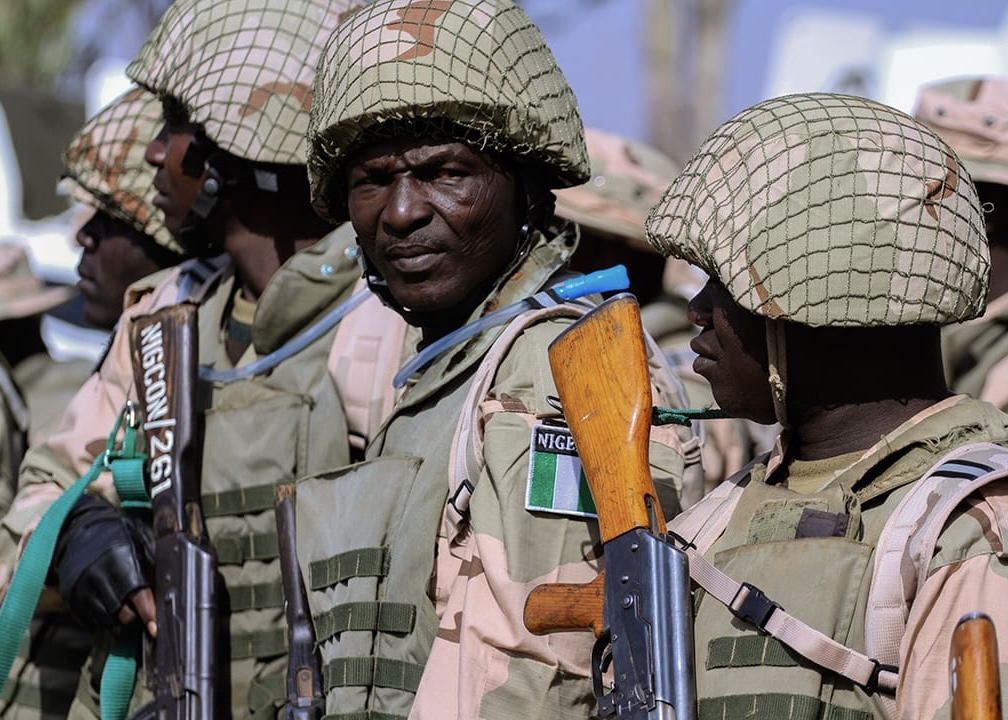
Boko Haram releases over 400 captives in Nigeria’s Borno State
The jihadist group Boko Haram has liberated more than 400 individuals, previously abducted earlier this year from a village within Nigeria’s northeastern Borno State. This significant development was confirmed on Sunday by both a senator and a local youth leader.

Since 2009, a relentless jihadist insurgency, initially spearheaded by Boko Haram and later challenged by its rival, the Islamic State in West Africa Province (ISWAP), has claimed tens of thousands of lives and displaced millions across the most populous nation in Africa’s northeast. Mass abductions, often followed by ransom negotiations, have become a recurring tactic employed by these Islamist factions. Samaila Kaigama, who serves as president of the Borno South Youth Alliance (BOSYA), a prominent youth organization, announced that his efforts had secured the release of 416 women and children, originally seized from Ngoshe. “They were set free on Saturday,” he informed journalists. Mohammed Ali Ndume, a distinguished senator representing Borno State, independently verified the liberation.
Authorities deny paying ransoms
The village of Ngoshe, situated less than 10 kilometers from the Cameroonian border within the Gwoza hills, has long been recognized as a Boko Haram stronghold and has endured repeated assaults from Islamist combatants. Immediate details regarding the specific conditions of the release were not available. Ali Ndume stated he had no knowledge of the circumstances surrounding their freedom. BOSYA, the youth organization that established communication channels between the captors and the affected families, also refrained from disclosing any specifics.
While authorities consistently deny making ransom payments, analysts frequently assert that such transactions are a common occurrence, involving both government entities and the families of victims. According to a report compiled by SBM Intelligence, a Lagos-based consulting firm, an estimated 1.66 million dollars was paid in ransoms between July 2024 and June 2025 to various armed groups operating in Nigeria, encompassing not only jihadists but also so-called “bandits” and separatist movements.

More Stories
Mamadi Doumbouya de retour à Conakry après sa visite d’État en Côte d’Ivoire
Elversberg vs Bayern Munich: where to watch the Bundesliga clash
Mali: près de 80 soldats tués dans l’attaque de Dioura