The African Football Confederation (CAF) has officially endorsed the joint bid of Burkina Faso, Mali, and Niger to host the 2032 Africa Cup of Nations (CAN), marking a significant milestone for the three Sahelian nations. Yet, this approval represents only the first administrative hurdle in a lengthy selection process that will demand meticulous planning.
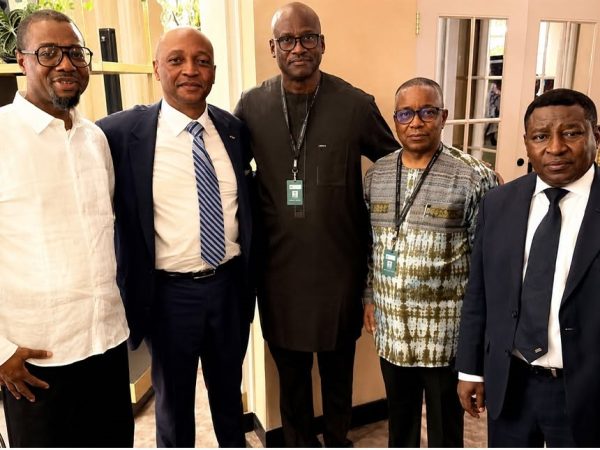
On July 18, in New York, the presidents of the football federations of Burkina Faso, Mali, and Niger met with CAF President Patrice Motsepe to formalize their shared interest in organizing the tournament. This declaration, now validated, allows their bid to advance to the next stage of evaluation. While the announcement was made public on July 20, the focus now shifts to the practical challenges ahead.
From symbolic approval to tangible readiness
Under CAF’s candidacy regulations, the three countries have cleared the initial administrative requirement outlined in Article 7.3 of the federation’s rules. This step does not guarantee success but ensures their bid remains in contention. The next phase will scrutinize their ability to meet the infrastructure, security, and operational standards required for a major continental event.
CAF’s long-term vision for African football
In early July 2026, the CAF opened simultaneous bidding processes for the CAN 2028, 2032, and 2036 tournaments, giving member associations ample time to prepare competitive bids. While the 2032 edition’s final decision date remains unspecified, the CAF will assess the feasibility of the Sahelian project, focusing on stadiums, accommodations, and transport networks.
A precedent already exists: Kenya, Uganda, and Tanzania will co-host the 2027 CAN, demonstrating that a three-nation collaboration can succeed. This model could inspire Burkina Faso, Mali, and Niger to pool resources and share the logistical burden of hosting a high-profile tournament.
A football bid with broader geopolitical significance
The joint candidacy aligns with a growing trend among the three nations—all governed by military regimes—to strengthen regional ties since their departure from the Economic Community of West African States (ECOWAS). From economic initiatives to diplomatic alliances, the bid reflects their ambition to carve out an autonomous Sahelian identity. Successfully hosting the CAN 2032 could serve as a powerful statement of unity and resilience in a region grappling with persistent security threats.
The African Union recently condemned deadly attacks in Niger and Mali on July 17 and 18, underscoring the security challenges the trio must address. The CAF’s evaluation will weigh not only infrastructural capabilities but also stability and safety—critical factors in determining the bid’s viability.
What’s next for the Sahelian bid?
With the declaration of interest now secured, the football federations of Burkina Faso, Mali, and Niger must collaborate closely with their governments to refine technical proposals that meet CAF’s stringent criteria. The outcome will hinge on their ability to present a cohesive, long-term plan that addresses every aspect of tournament organization.
The CAN 2032 could transcend sports, offering the Sahel a rare opportunity to showcase its potential as a unified, forward-looking bloc. Yet, the path ahead remains fraught with obstacles—infrastructure gaps, security concerns, and fierce competition from other candidates. The journey from New York to the pitch will test the region’s capacity to turn ambition into reality.