The Chadian government faces mounting scrutiny as its ten-day negotiations with the International Monetary Fund (IMF) enter a critical phase in N’Djamena. The outcome of these talks could redefine the country’s financial direction for years to come, with far-reaching consequences for public budgets, debt management, and economic policies.
Why the IMF’s visit is more than just another routine mission
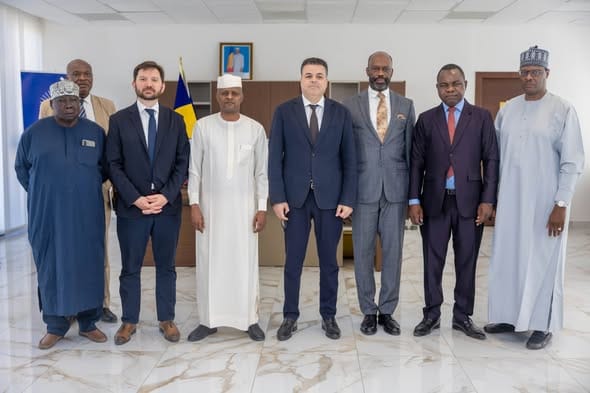
Under the leadership of senior IMF representative Julien Reynaud, the delegation arrived in Chad on November 16 for a series of high-stakes consultations. While such visits typically follow standard procedures, this year’s discussions carry unusual weight. The talks are not merely procedural—they are shaping up to be a defining moment for Chad’s economic trajectory, with the potential to either stabilize the nation’s finances or deepen existing challenges.
Finance Minister Tahir Hamid Nguilin, a key figure in the negotiations, has taken a central role in the process. His office has become the focal point for a series of meetings with government officials, private sector leaders, and international development partners. The agenda is packed: from reviewing this year’s budget execution to laying the groundwork for next year’s fiscal plan.
What’s at stake in the IMF-Chad negotiations
The discussions span a wide range of pressing economic issues, each carrying significant implications for everyday Chadians and policymakers alike. Key topics under review include:
- Budget execution for 2026: How effectively has the government managed public funds this year? Are there gaps between policy and implementation?
- Public debt management: With Chad’s debt levels under international watch, how will the IMF’s recommendations influence future borrowing and fiscal sovereignty?
- Oil and banking sector performance: The country’s economic backbone faces volatility. Can reforms improve transparency and profitability?
- Governance and transparency: Are there inefficiencies in public spending? How can corruption risks be mitigated?
- Drafting the 2027 budget: What priorities will shape next year’s financial roadmap—social spending, infrastructure, or debt service?
Public reaction: skepticism meets cautious optimism
As the negotiations unfold, public sentiment in Chad is divided. While some citizens and business leaders welcome the IMF’s involvement as a necessary step toward economic discipline, others view the talks with skepticism, fearing that austerity measures could worsen living conditions for vulnerable populations.
The ongoing debate reflects broader concerns about sovereignty. Critics argue that IMF interventions often come with strict conditions that limit national policy flexibility. Supporters, however, point to historical precedents where such oversight helped stabilize economies in crisis. The balance between external accountability and domestic priorities remains a contentious issue.
What comes next: the road ahead for Chad’s economy
The IMF delegation is scheduled to conclude its visit on November 26, but the real work will only begin once their recommendations are presented. The government must then decide which proposals to adopt and how to integrate them into national policy without triggering social unrest or economic instability.
For now, all eyes are on N’Djamena. The decisions made in these ten days could either reinforce Chad’s economic resilience or lock it into cycles of dependency and financial vulnerability. One thing is certain: the fallout from these talks will shape the country’s economic narrative for years to come.