Congo’s eastern leaders rally against secessionist threats amid national unity debate
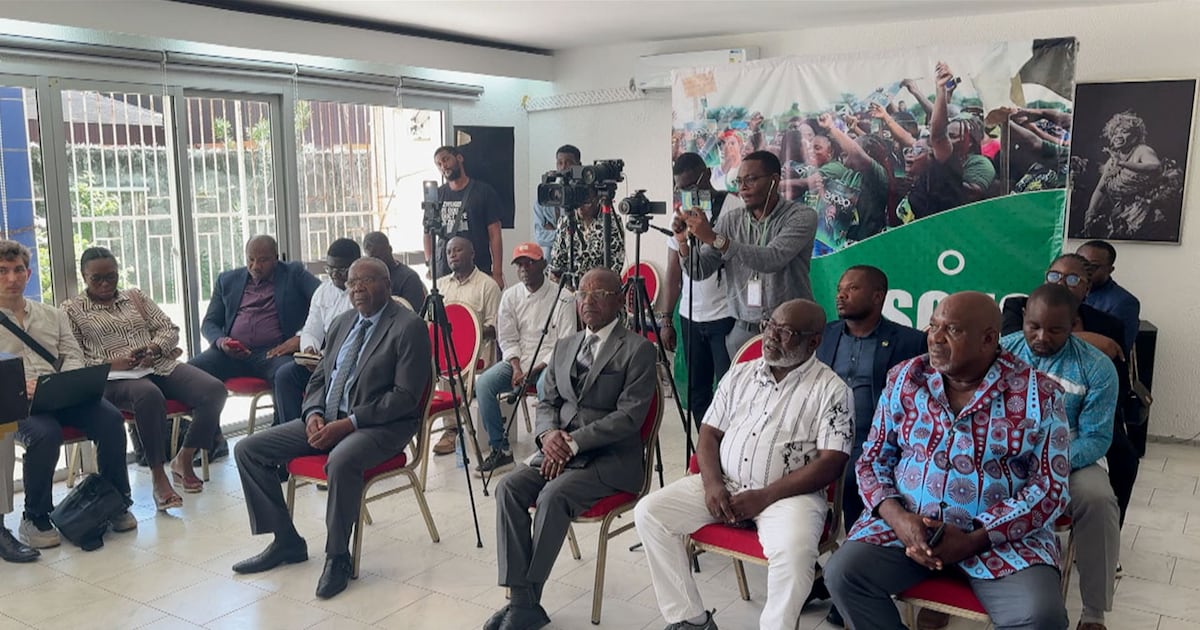
The political landscape in the Democratic Republic of Congo’s eastern region has intensified this week as regional leaders and political figures convene in Kisangani to address escalating concerns over territorial integrity and national cohesion. A high-profile gathering has drawn attention to the growing public discourse surrounding secessionist movements and their potential impact on the country’s stability.
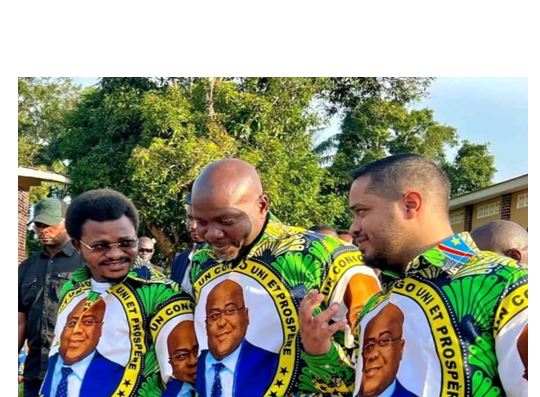
Under the banner “With the Great East, Fatshi is not alone”, political figures and regional authorities have reaffirmed their commitment to preserving Congo’s unity and territorial sovereignty. The four-day colloquium, taking place from November 14 to 17, 2026, has become a focal point for discussions on peace, security, and development in the region.
Political alignment emerges in the face of territorial threats
The Action for Renewal and Development in Congo (ARDC) party has taken center stage in these deliberations, with prominent leaders including Governor Jean Bakomito and Jean-Pierre Kezamudru spearheading efforts to mobilize regional support. The party’s stance underscores its determination to stand against any form of fragmentation that could undermine the country’s stability.
The ARDC’s leadership has called on residents of the Great East—comprising Tshopo, Bas-Uele, Haut-Uele, and Ituri provinces—to set aside internal differences and unite in defense of their shared heritage. Emphasizing solidarity with the Forces Armées de la République Démocratique du Congo (FARDC), the party has stressed that Congo’s sovereignty is non-negotiable, warning that any compromise could have devastating consequences for the nation.
Renewed rejection of unconstitutional power transitions
In a decisive move, the leaders of the Great East have categorically rejected any attempts to disrupt the mandate of President Félix Tshisekedi, affirming the legitimacy of his democratic election. Speaking at the colloquium’s closing session, Governor Bakomito stated, “No one has the right or power to interrupt the President’s mandate or remove him by force. He is the elected President of the Republic, and we stand by him as we did when we voted for him.”
The Coordination of the Great East Dynamics emphasized that democracy requires all political actors to respect the will of the majority. Bakomito added, “The majority voted for him en masse. He is here to fulfill the mission entrusted to him. The Great East says: Fatshi is not alone.”
Calls for peace and an end to regional conflicts
Against the backdrop of recurring violence in the Great East, regional leaders have voiced their opposition to further military escalation. The governors of Tshopo, Bas-Uele, Haut-Uele, and Ituri provinces have declared, “Never again. We refuse war. Our provinces are exhausted by conflict and demand peace.”
The declaration highlights the determination of institutional and community representatives to safeguard peace and territorial integrity. The Great East, a region historically plagued by instability, now stands united in its refusal to entertain secessionist narratives, signaling a new chapter in Congo’s ongoing struggle for cohesion.
What the future holds for Congo’s eastern region
The outcomes of the Kisangani colloquium are expected to shape the trajectory of political and social dynamics in the Great East. With the ARDC and regional authorities aligning in their commitment to national unity, the focus now shifts to implementation strategies that can translate rhetoric into tangible stability.
As public debate continues to evolve, the resolve demonstrated in Kisangani may serve as a turning point for the region, offering hope for a future where territorial integrity and democratic governance remain unchallenged.