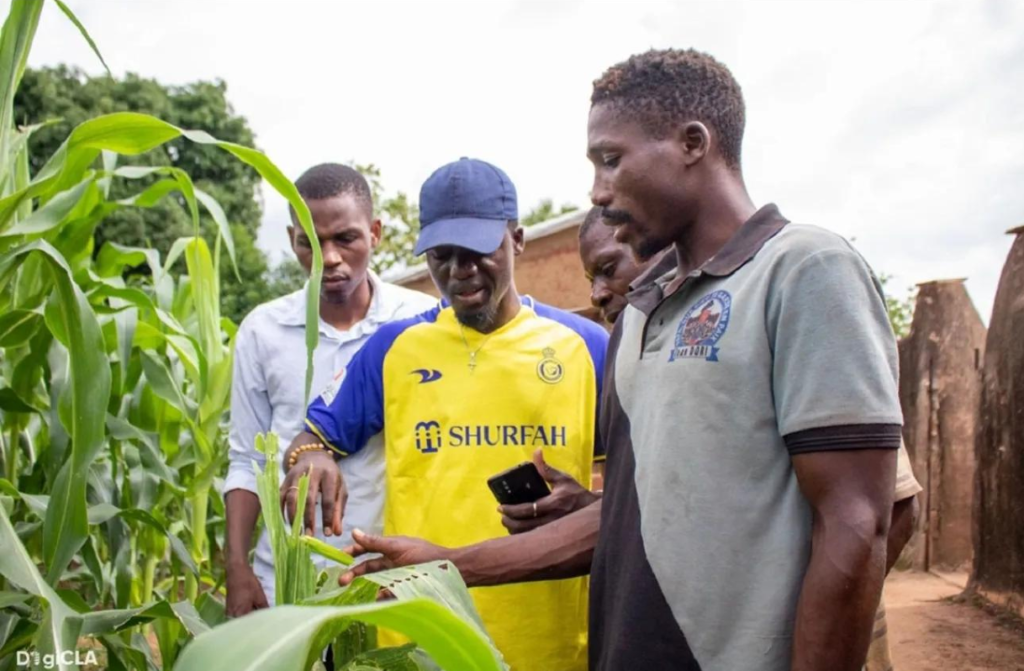
Benin has reached a critical turning point in its fight against climate change, launching a groundbreaking initiative to shield nine high-risk municipalities from escalating environmental threats. With a projected budget of $11.7 million, the Integrated Project for Climate Resilience in Vulnerable Border Communities (PIRRCF) aims to spark a major transformation in agricultural systems, water access, and local economies across the nation’s most climate-exposed regions.
Why a climate resilience breakthrough was long overdue
The agricultural heartland of Benin is under siege. Erratic rainfall, devastating floods, and prolonged droughts have crippled crop yields, threatening food security and livelihoods for thousands of farming families. For years, communities in Sèmè-Kpodji, Sakété, Kétou, Savalou, Dassa-Zoumè, Djougou, Copargo, Ouaké, and Malanville have borne the brunt of these climate shocks, leaving them with dwindling harvests and shrinking incomes.
The timing of this intervention is crucial. Rather than relying on temporary fixes, the PIRRCF represents a strategic pivot toward sustainable adaptation—integrating renewable energy, water security, and digital innovation to future-proof Benin’s rural economy.
A multifaceted approach to climate-proof agriculture
The PIRRCF doesn’t just throw money at the problem—it deploys a coordinated strategy across four key pillars to build long-term resilience:
- Climate-smart farming: New techniques tailored to disrupted rainfall patterns, including drought-resistant crops and soil conservation methods.
- Water infrastructure: Three new reservoirs, five drip-irrigation systems, two valley bottoms, and twelve pastoral wells to reduce dependence on seasonal rains.
- Renewable energy integration: Solar-powered water pumps and off-grid solutions to cut costs and emissions while ensuring energy access for irrigation and processing.
- Digital tools: Mobile platforms for weather forecasts, market pricing, and climate advisory services to empower farmers with real-time data.
Local materials and craftsmanship also take center stage, with initiatives to promote compressed earth bricks and stabilized soil blocks. This not only lowers construction costs but also fosters green job creation among artisans and small businesses—particularly for women and youth.
From 9 communes to 1.5 million lives transformed
The project’s ripple effect is designed to stretch far beyond its initial scope. Direct benefits will reach 31,687 people, including over 12,300 women, while indirect improvements could touch an estimated 1.5 million residents across the nine municipalities.
By 2031, the PIRRCF aims to:
- Train 20,000 farmers and agribusiness owners in climate adaptation strategies.
- Boost agricultural productivity by 20% in targeted zones.
- Lift incomes for 10,000 households by 30%.
- Generate 5,000 direct and 15,000 indirect jobs in agriculture, energy, and digital sectors.
These goals reflect a bold vision: turning climate adaptation into an engine of rural economic growth rather than just a defensive strategy.
The road ahead: execution and accountability
Funding is secured—a $15.5 million package capitalizing on partnerships with the UN Development Programme (UNDP), Switzerland, Belgium, and Benin’s government. But success hinges on flawless execution. Key challenges include:
- Ensuring fair distribution of water and energy infrastructure across all communes.
- Maintaining transparency in fund management to prevent misuse or delays.
- Strengthening local governance so communities can own and maintain new systems.
Local authorities will play a pivotal role in monitoring progress and ensuring that infrastructure—from solar-powered wells to irrigation networks—delivers tangible benefits to farmers. For communities battered by climate volatility, the stakes couldn’t be higher: reliable incomes, food security, and a future less dictated by droughts and floods.
A model for Africa’s climate-vulnerable nations?
The PIRRCF isn’t just about saving nine communes—it’s about testing a scalable blueprint for climate resilience in West Africa. If executed successfully, this initiative could serve as a template for other countries grappling with similar environmental stressors, proving that proactive adaptation isn’t just possible—it’s an investment in tomorrow’s stability.