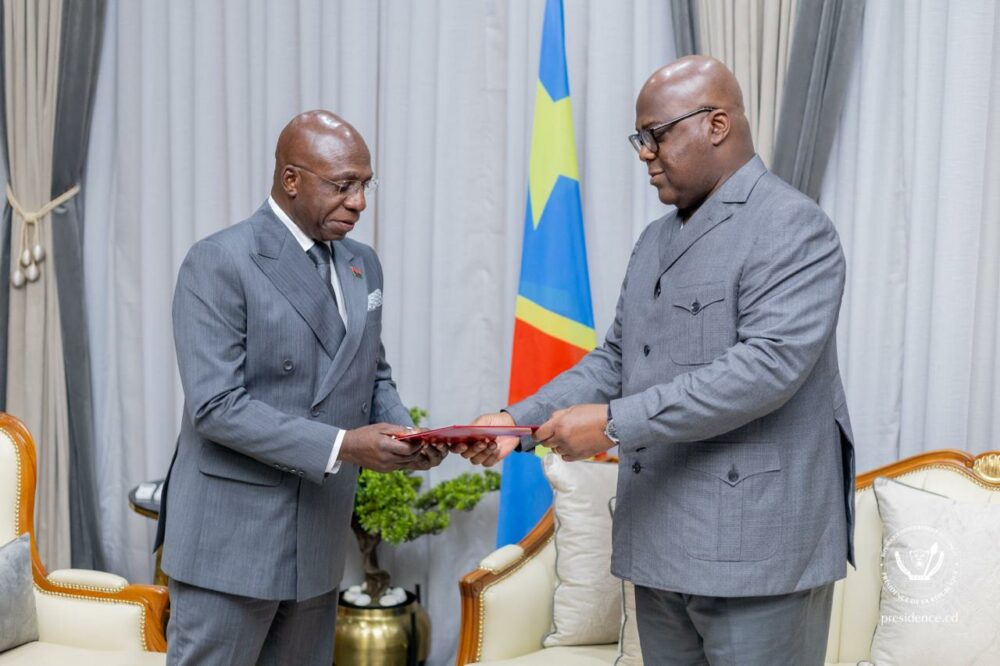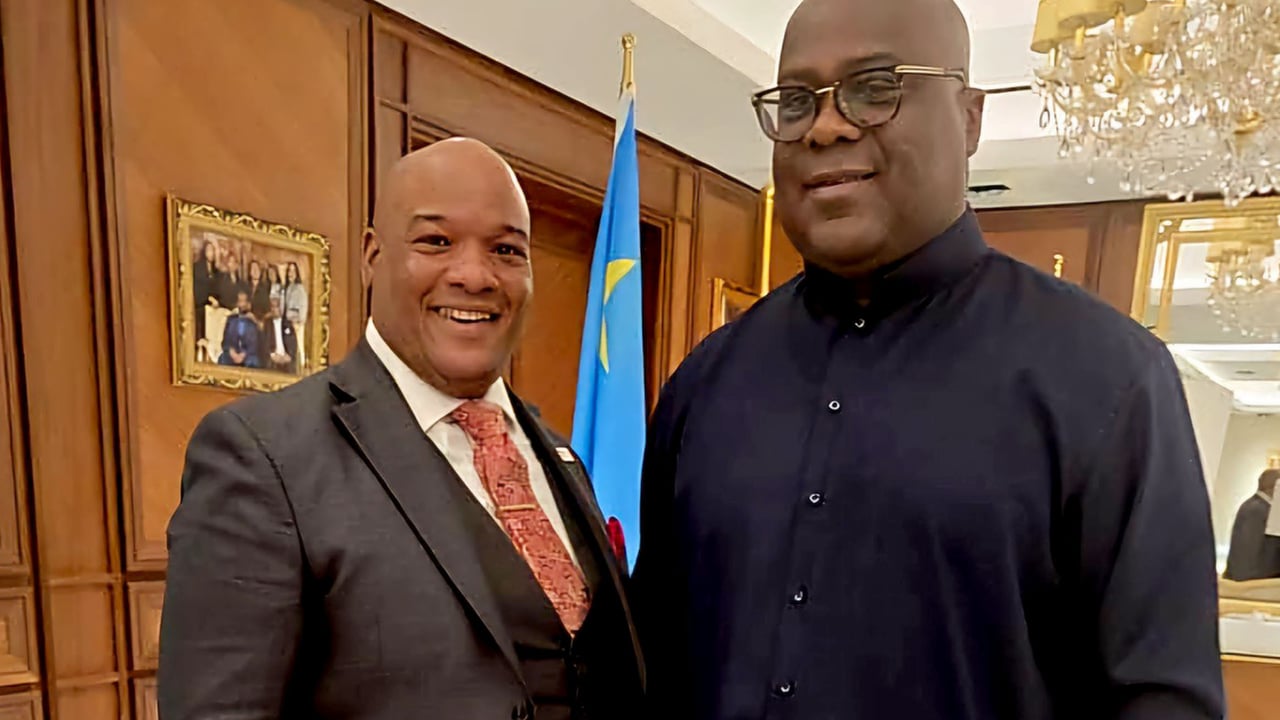
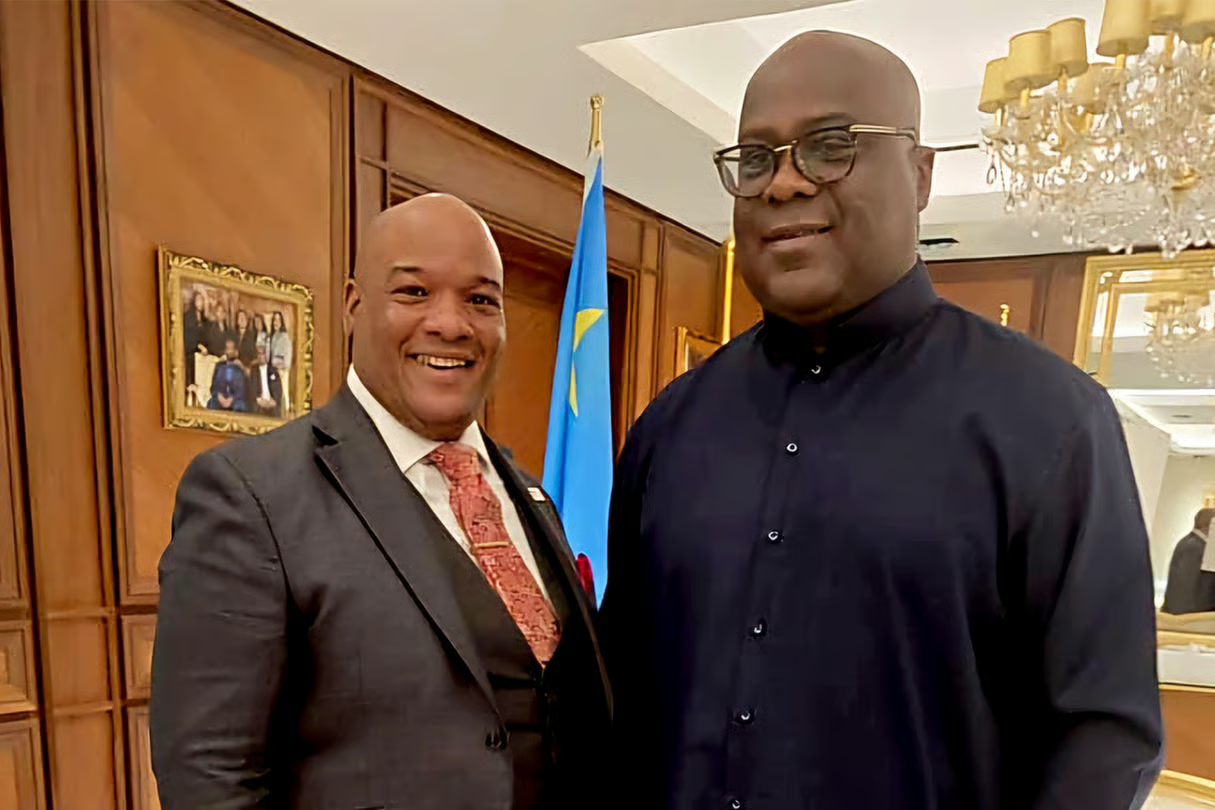
After a prolonged 12-month wait, Washington’s decision to finally appoint an ambassador to the Democratic Republic of Congo has sent ripples through diplomatic circles and local political arenas. The swearing-in of the new envoy marks more than just the end of a delay—it signals a potential turning point in Kinshasa-Washington relations that have faced growing uncertainty.
Diplomatic setbacks: why did the delay spark criticism?
The absence of a U.S. ambassador in Kinshasa for over a year was not just a bureaucratic hiccup; it highlighted deeper tensions between the two capitals. Critics argued that the prolonged vacancy weakened strategic partnerships, leaving critical bilateral initiatives in limbo. Questions arose about Washington’s commitment to the region, particularly as other global powers intensified their engagement in the DRC.
Observers point to multiple factors behind the delay, including shifting U.S. foreign policy priorities, internal administrative hurdles, and evolving geopolitical dynamics. The prolonged period without a top envoy left Kinshasa in a state of uncertainty, with diplomatic engagement operating at reduced capacity.
Key concerns raised during the vacancy included:
- Delayed economic and security cooperation agreements
- Limited high-level engagement between the two governments
- Reduced U.S. influence in regional stability efforts
Public reactions: mixed voices from Kinshasa to Washington
The announcement of the new ambassador’s appointment has triggered a wave of reactions from various stakeholders. In Kinshasa, political analysts and civil society leaders have expressed cautious optimism, hoping for stronger economic ties and increased foreign investment. However, skepticism remains regarding the tangible impact of the envoy’s role in addressing pressing challenges such as human rights and governance.
In Washington, policymakers have framed the appointment as a necessary step to restore diplomatic momentum. Yet, some lawmakers and advocacy groups question whether the delay has already caused irreversible damage to bilateral trust and collaboration.
“This appointment comes at a critical juncture, but the true test will be in Washington’s follow-through—will the promises made translate into action?” — a senior analyst at a D.C.-based think tank commented.
What’s next for U.S.-DRC relations?
With the new ambassador now in place, all eyes are on the next moves. Analysts anticipate a flurry of high-level meetings in the coming months, focusing on trade, security cooperation, and development projects. The appointment could also pave the way for renewed discussions on critical issues such as election integrity and environmental conservation, both of which have been flashpoints in recent years.
The DRC, rich in natural resources but plagued by instability, remains a key priority for U.S. foreign policy in Central Africa. The envoy’s role will be pivotal in shaping Washington’s approach, particularly as the region faces increasing competition from China and other global players.
Potential priorities for the new ambassador include:
- Reinforcing anti-corruption and transparency efforts
- Boosting trade and investment initiatives in critical sectors
- Collaborating on regional security challenges, including armed group disarmament
Will this appointment restore confidence?
While the swearing-in of the ambassador is a positive step, restoring full confidence will require sustained action. Both governments must demonstrate a commitment to transparency and accountability, addressing longstanding concerns about governance and human rights. The new envoy’s ability to navigate these challenges will determine whether the delay was merely a hiccup or a turning point in the bilateral relationship.
As the dust settles, the world will be watching closely to see if the appointment translates into tangible progress—or if it remains another missed opportunity in a region hungry for stability and partnership.