Chad’s transport revolution: unlocking growth after 66 years of independence
Six and a half decades after gaining independence, Chad faces a critical challenge: overhauling its intercity transport network to drive economic growth and ensure safe, reliable mobility for its people.
From colonial legacy to modern mobility challenges
Sixty-six years after independence, Chad stands at a crossroads. Blessed with vast territory and a strategic location in Central Africa, the country’s economic potential remains hampered by an underdeveloped intercity transport network. While air and rail options exist, the road network dominates, leaving citizens to navigate an often unreliable system where journeys between major cities like N’Djamena, Moundou, Sarh, or Abéché can stretch into full days of travel.
The government has declared transport modernization a national priority, but the path forward requires more than just paving more roads. What Chad needs is a systematic overhaul of its mobility infrastructure—one that connects people, goods, and markets efficiently and safely.
Building a national transport ecosystem
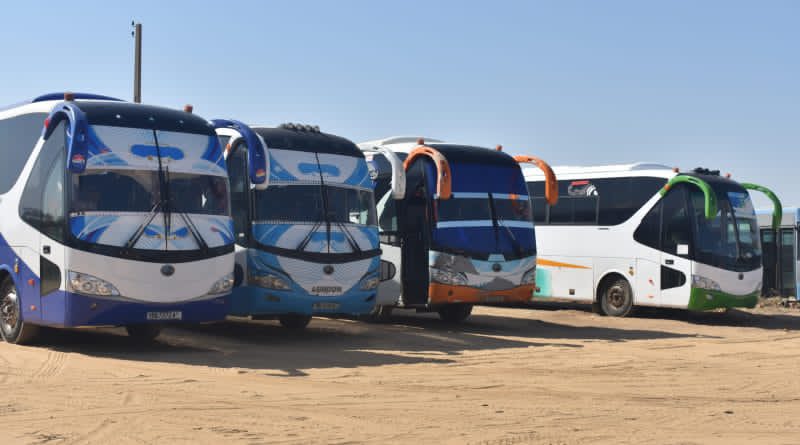
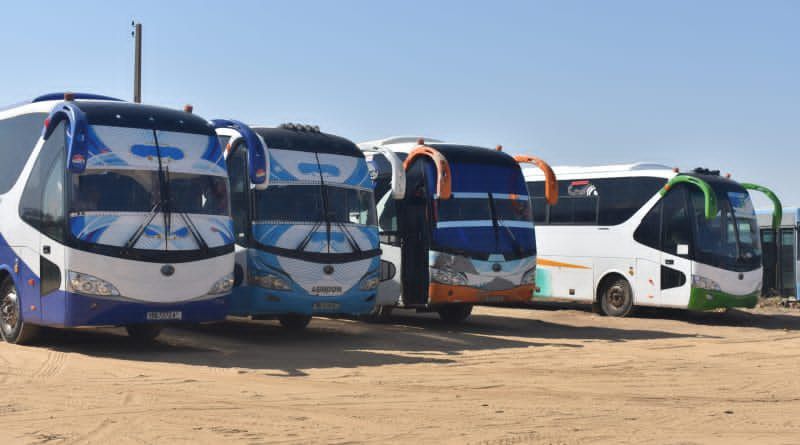
The core issue isn’t simply adding more vehicles to the roads. Chad must develop a structured national transport system featuring licensed carriers, modern bus terminals, fixed schedules, regulated fares, mandatory vehicle inspections, driver training, and robust safety measures. Currently, travelers often face inconsistent service quality, unpredictable departure times, and varying levels of comfort across multiple private operators.
Envisioning a connected network of key corridors could transform intercity travel. Prioritizing routes like N’Djamena–Moundou–Sarh, N’Djamena–Mongo–Abéché, and N’Djamena–Faya-Largeau would establish reliable daily connections with standardized fares. While this doesn’t necessarily require a single state-run monopoly, it does demand strong government oversight to enforce quality and safety standards while allowing private operators to deliver the service.
Learning from regional success stories
Neighboring countries offer valuable lessons. Senegal’s restructuring of Dakar’s public transport—combining BRT, regional express trains, and classic buses—demonstrates how integrated planning can work. Similarly, Rwanda’s 2024-2025 reorganization expanded its public transport network from four to seven corridors while increasing the number of licensed operators from three to thirteen, backed by 200 new buses.
For Chad, the takeaway is clear: quantity matters, but consistency, regulated competition, and service quality matter just as much. A bus that departs on schedule with a fixed fare and clear destination represents a fundamental shift in travel experience. Beyond passenger convenience, this system would become the backbone of trade and commerce.
Connecting markets and people
An efficient transport network does more than move people—it drives economic activity. Farmers in Moundou need reliable routes to transport produce to N’Djamena markets. Herders require access to trading hubs. Students must reach universities safely. Patients need timely access to healthcare facilities. These aren’t just travel needs; they’re development imperatives.
Recent infrastructure investments show promise. In 2025, a $170 million World Bank project began improving connectivity in the Lake Chad region, including paving 55 km of road between Liwa and Rig-Rig, 12 km of access roads to Bol, and 50 km of rural routes. These improvements must now be woven into a cohesive national mobility strategy that includes professional transport services.
The future of rail in Chad
Looking further ahead, rail transport represents a crucial long-term solution. Given Chad’s vast distances and significant cargo volumes, over-reliance on trucks and buses is unsustainable. A rail network could eventually link major economic centers to regional trade corridors, as outlined in the government’s transport sector action plan. However, rail requires massive investment, making immediate focus on road modernization and bus service professionalization essential.
A five-point roadmap to transport transformation
Chad’s path forward should center on five core priorities:
- Year-round road accessibility: Ensuring all major routes remain passable throughout the year, regardless of season
- Professional transport companies: Licensed operators adhering to strict safety and service standards
- Modern terminals: Strategically located bus stations in every major city
- Road safety enforcement: Rigorous vehicle inspections and driver training programs
- Affordable tariffs: Price controls that balance operator viability with passenger accessibility
Additional innovations like digital ticketing, real-time vehicle tracking, and published schedules would further enhance the system’s reliability and transparency.
From travel ordeal to development catalyst
After 66 years of independence, intercity travel in Chad shouldn’t feel like an expedition. The country’s 2030 vision must answer a simple but profound question: How can we ensure every citizen can cross Chad safely, affordably, and predictably?
When transport transforms from a basic necessity to a strategic development tool, Chad will unlock its true economic potential. The road ahead demands bold decisions—but the destination—a connected, thriving nation—is within reach.