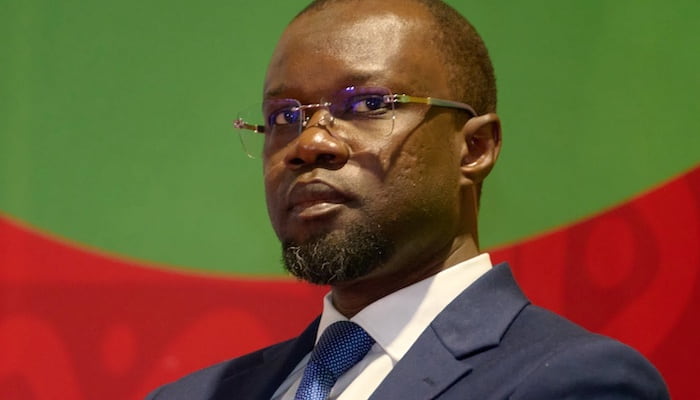
The Coordination of Democratic and Patriotic Organizations (CODES) has announced its merger with the African Patriots of Senegal for Work, Ethics and Fraternity (Pastef), citing urgent concerns over the current political climate in Senegal.
The decision comes as the organization warns of a severe threat to the Social Transformation Project spearheaded by Ousmane Sonko, whom they describe as the guiding force behind the nation’s revolutionary path. In a statement released by its Directorate, CODES accuses unnamed actors of seizing power while sidelining the true architects of the March 25, 2024, patriotic revolution—a movement that originally aimed to reshape the state itself.
This stance aligns with the rhetoric used by Sonko in his recent doctrinal speeches, particularly his concept of the “popular bloc,” introduced during the Diamniadio congress. He emphasized that while people may gain political power, transforming the state structure remains a far greater challenge. CODES has fully embraced this perspective, framing the protection of the Projet as an essential priority for the country’s future.
a call to action for citizens and democrats
The organization is urging immediate mobilization, urging youth and all citizens to rally behind Ousmane Sonko to safeguard the Projet. CODES has also extended its appeal to democratic forces, urging them to return “by the hundreds, thousands, and millions” to the ranks of Pastef-Les Patriotes to ensure the movement’s success. The communiqué concludes with a resolute call for unity in the face of growing political polarization.
This strategic fusion coincides with a period of heightened political activity, as Sonko intensifies his nationwide mobilization tours ahead of the 2029 presidential election. During a recent visit to Mbacké, he called on local leaders to set aside internal divisions in favor of a united front. The merger with CODES represents a counter-movement to recent defections within Pastef, where several members joined the ranks of the president’s supporters, further highlighting the deepening divisions within Senegal’s political landscape.