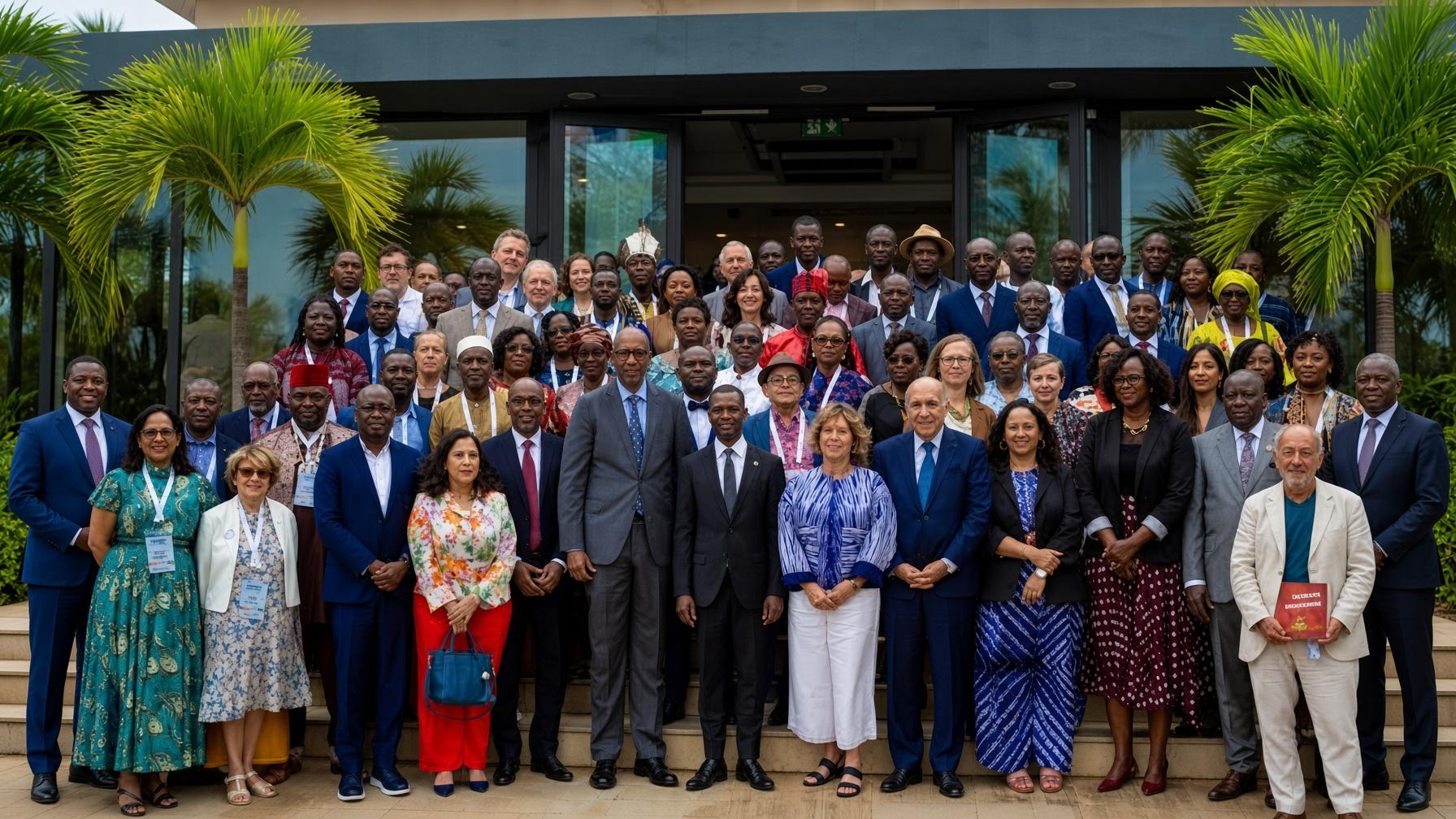
As the 16th ordinary plenary assembly of the Conference of International Non-Governmental Organisations (COING) of La Francophonie opened in Cotonou on 28 September 2026, the immediate question was not whether civil society had shown up — it was what happens now that it has. Over two days, francophone civil society actors are not simply meeting to draft recommendations; they are setting the terms of a debate that will echo all the way to the 20th Francophonie Summit in Cambodia on 15-16 November, and locking in a 2026-2028 roadmap that will shape their leverage long after the closing gavel.
The fallout: peace redefined, and the pressure shifts to states
Under the banner of “Reinvesting in peace: mobilising francophone civil society for shared prosperity, resilient territories and lasting stability,” the assembly has triggered a broader reckoning. Peace, participants argue, cannot be reduced to the absence of war. It demands social justice, access to basic services, mediation, the defence of human rights, and resilience in the face of economic and security shocks. That reframing is not academic. It places new expectations on governments and on the Organisation internationale de la Francophonie (OIF), and it sets a benchmark against which civil society’s own follow-up will be judged.
The debate: citizen participation as the fault line
The most pointed discussion in Cotonou concerns who gets a seat at the table. Participants are pushing for closer cooperation between states, parliamentarians and NGOs, arguing that citizen organisations — present closest to the ground — must be more directly involved in the OIF’s decision-making processes. Their aim is to convert local recommendations into concrete public policy. The outlook from here is a test of whether that demand is met with institutional access or polite acknowledgment.
What comes next: a pragmatic 2026-2028 roadmap
The Cotonou assembly is built around making COING more operational, and its priorities for the years ahead are concrete:
- Strengthening networks: structuring synergies between francophone NGOs.
- Mobilising resources: developing strategic financial and technical partnerships.
- Tracking impact: measuring the real consequences of actions within communities.
Benin’s stake and the road to Cambodia
By hosting this session, Benin reaffirms its key role in francophone dialogue. With the Cambodia meeting just weeks away, the civil society gathered in Cotonou is sending an unambiguous message: the future of La Francophonie cannot be built without the active involvement of citizens and their representatives. The outlook now depends on whether that message is answered with action or absorbed into the usual summit communiqué.