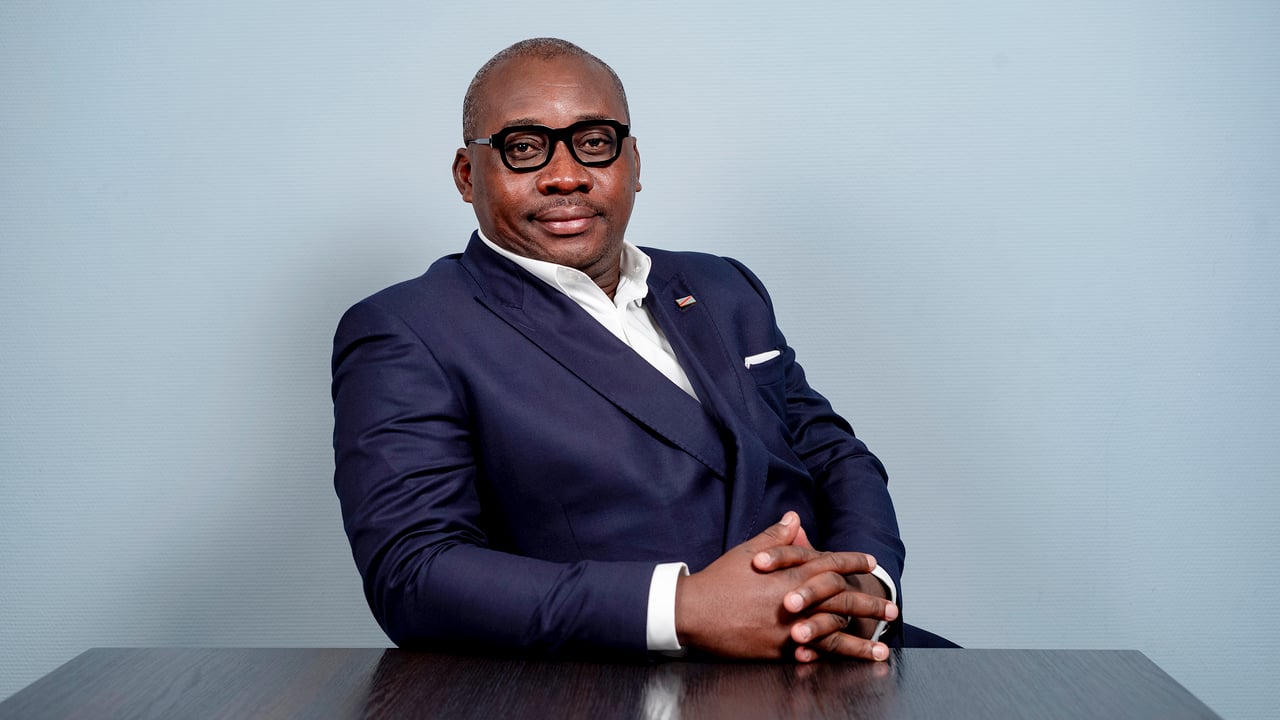
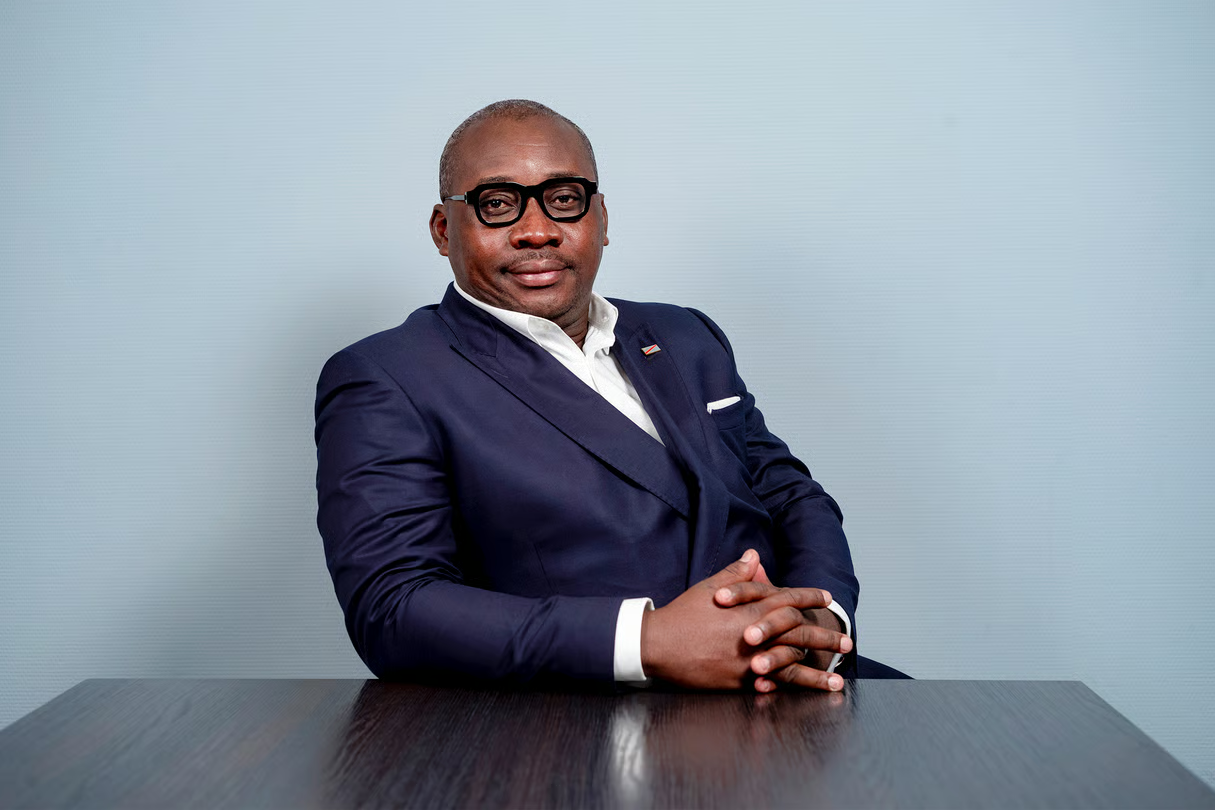
Two decades after its adoption, the constitution of the Democratic Republic of Congo continues to spark intense debate. Guy Loando Mboyo, minister of state for parliamentary relations, argues that the document’s legacy demands a closer look at its successes, shortcomings, and the path forward.
Mixed reactions to a defining document
The 2006 constitution was hailed as a turning point for DR Congo, promising stability and democratic governance after years of conflict. Yet today, critics and supporters alike agree on one thing: its impact has been far from straightforward. While it established a framework for elections and power-sharing, many argue that implementation has fallen short, leaving gaps in accountability and representation.
The public weighs in: praise and criticism
Across the country, opinions are divided. Some citizens credit the constitution with restoring order and paving the way for political pluralism. Others, however, see it as a missed opportunity, pointing to persistent corruption, weak institutions, and unresolved tensions between central and provincial authorities. Social media and public forums have become battlegrounds for these contrasting views, reflecting a nation still grappling with its democratic identity.
What’s next for DR Congo’s constitutional future?
As discussions intensify, calls for reform grow louder. Legal experts, activists, and political leaders are urging a comprehensive review to address the document’s flaws. Potential amendments could focus on strengthening checks and balances, clarifying the division of powers, and ensuring greater inclusion of marginalized voices. Meanwhile, the government faces pressure to demonstrate its commitment to the constitution’s original principles while adapting to modern challenges.
Guy Loando Mboyo’s recent statements underscore the urgency of this moment. With the nation at a crossroads, the conversation around the constitution is no longer just about reflection—it’s about action.