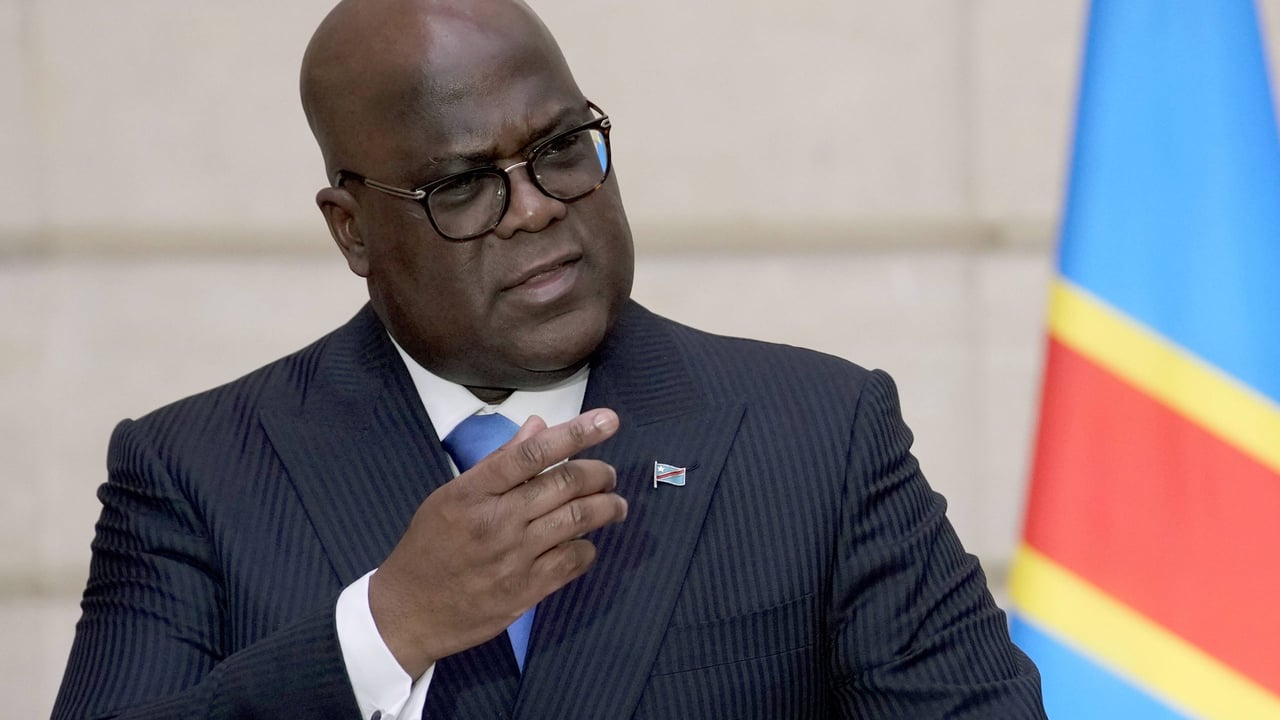
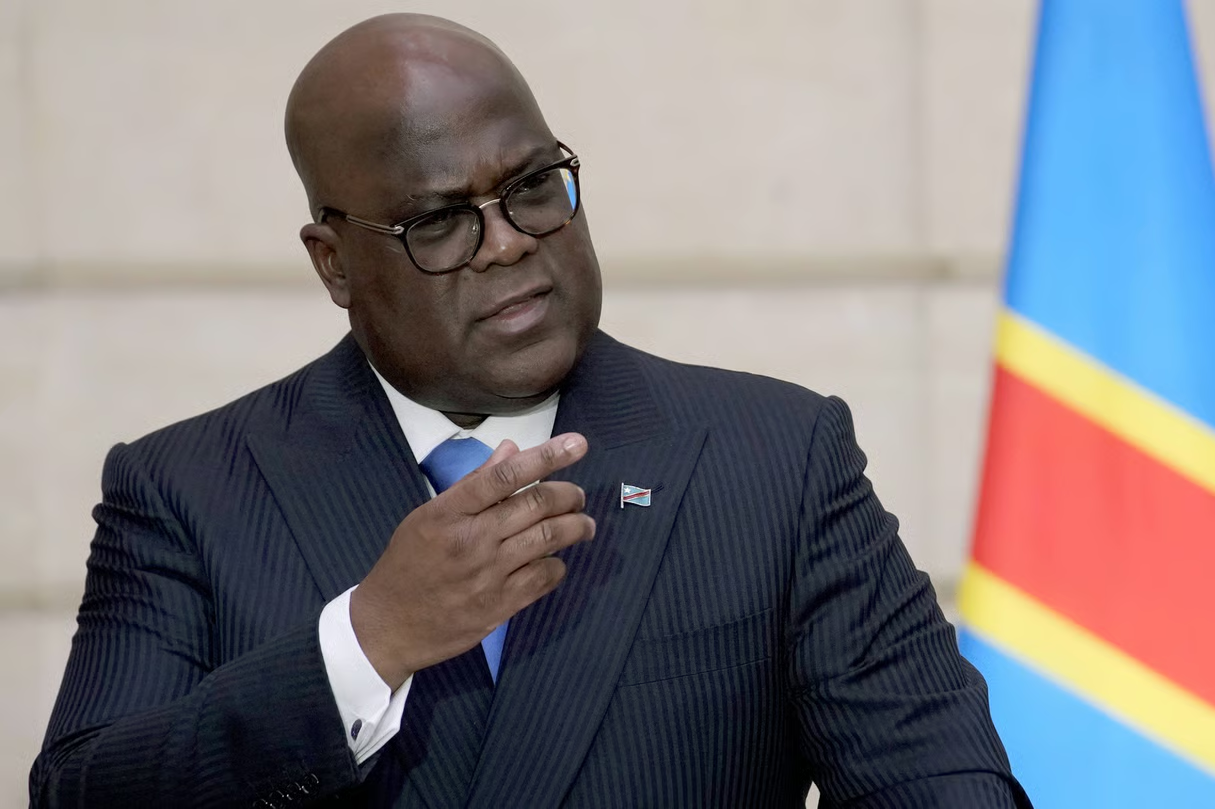
The Democratic Republic of the Congo’s political landscape is shifting as President Félix Tshisekedi steers the country’s referendum legislation toward parliamentary review. This strategic move places the head of state at the helm of a pivotal national process, signaling a decisive phase in the nation’s governance.
The referendum proposal, now under parliamentary scrutiny, has become a focal point of national debate. Tshisekedi’s ability to shape the legislative agenda underscores his growing influence over the country’s future direction. Observers note that this development could redefine the balance of power within the DRC’s political institutions.
Why the referendum law matters for the DRC
The referendum proposal addresses critical constitutional and governance questions that have long divided public opinion in the DRC. Key issues on the table include potential reforms to electoral processes, decentralization efforts, and the structure of state institutions. The outcome of parliamentary deliberations on this legislation will determine whether these reforms move forward—and how they will reshape the nation’s political landscape.
For many citizens, the referendum represents an opportunity to address long-standing governance challenges. Supporters argue that the reforms could enhance transparency, accountability, and citizen participation in the political process. Critics, however, caution that the timing and scope of these changes could disrupt stability in a fragile post-conflict environment.
Parliament’s role in shaping the nation’s future
As the referendum law enters parliamentary debate, the DRC’s legislature faces a defining moment. Lawmakers must weigh the potential benefits of constitutional reform against the risks of political fragmentation. The Union for Democracy and Social Progress (UDPS), the party led by Tshisekedi, holds significant influence in this process, raising questions about the party’s priorities and agenda.
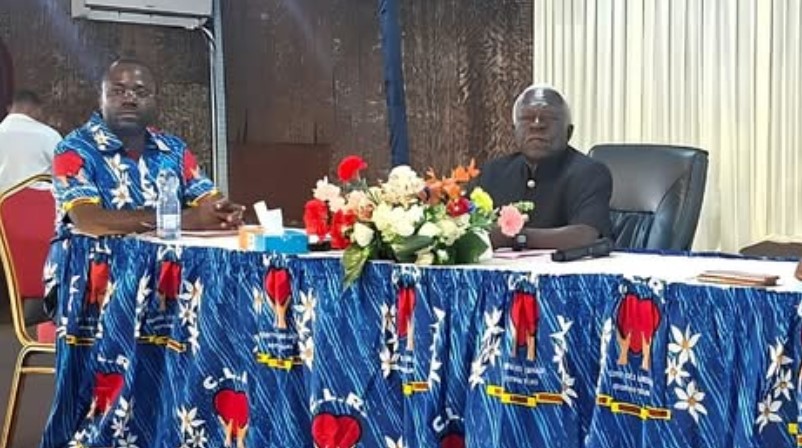
Key figures within the UDPS have already begun advocating for specific provisions in the referendum, reflecting the party’s strategic approach to consolidating power. Meanwhile, opposition voices are pushing back, arguing that the reforms could marginalize certain regions or communities. The coming weeks will reveal whether consensus can be reached—or if the debate will deepen existing political divides.
Public reaction and political dynamics
The referendum proposal has sparked widespread discussion across the DRC, with reactions varying sharply between urban and rural communities. In Kinshasa, the capital, supporters of Tshisekedi see the reforms as a step toward modernization and stronger governance. In contrast, some rural areas express concerns about losing regional autonomy under centralized reforms.
The political climate remains tense as lawmakers prepare for deliberations. Analysts suggest that Tshisekedi’s ability to navigate these divisions will be crucial in determining the referendum’s fate. His leadership during this process could either unify the nation or further polarize its political factions.
What happens next?
With the referendum law now in parliamentary hands, the DRC stands at a crossroads. The legislature’s decisions over the coming months will shape the country’s trajectory for years to come. Will the reforms pass, setting the stage for a national vote? Or will political resistance derail the process, leaving critical questions unresolved?
One thing is certain: President Tshisekedi has positioned himself as the central figure in this high-stakes drama. His next moves will be closely watched by both allies and adversaries, as the nation holds its breath for the outcome of this pivotal legislative battle.