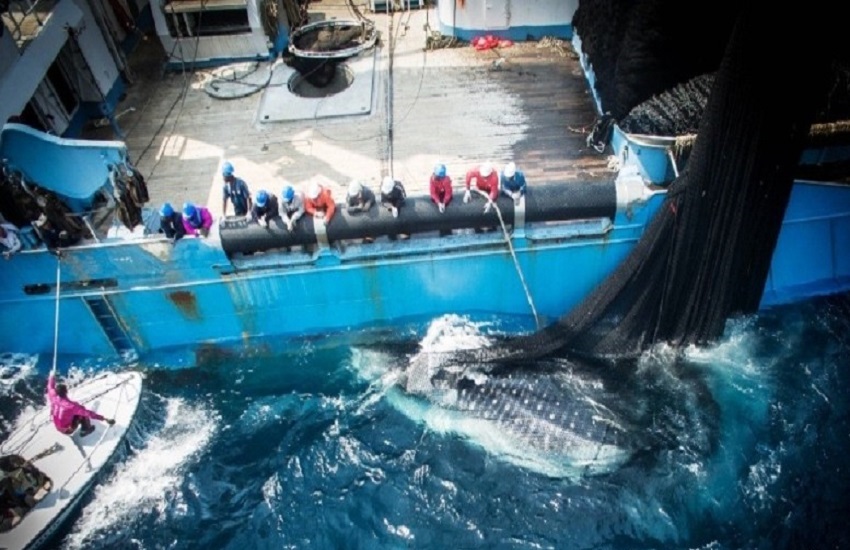
Gabon’s fisheries talks with EU: unlocking the hidden dynamics behind the stalled deal
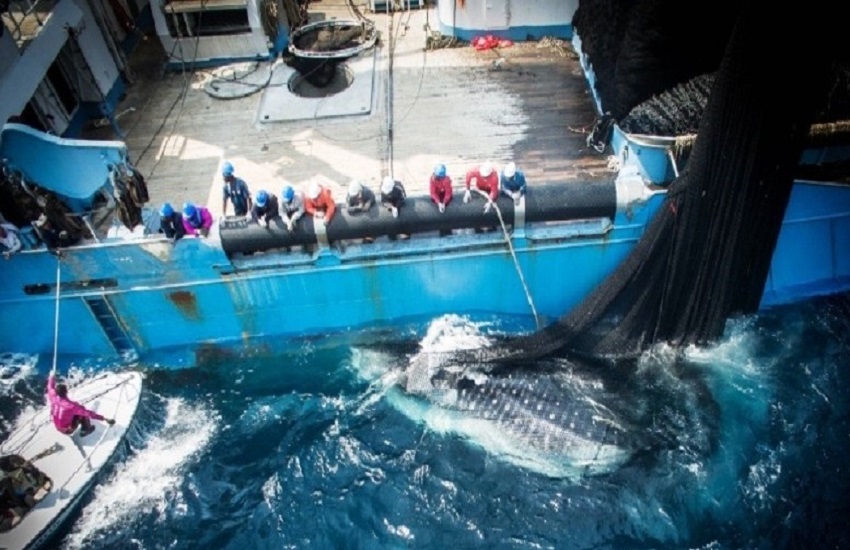
Libreville, September 23, 2026 — Behind the diplomatic exchanges between Gabon and the European Union lies a deeper negotiation: one that seeks to expose the structural flaws of a partnership that never fulfilled its economic promises.
On September 18, 2026, Gabon’s government officially approved the launch of negotiations for a new sustainable fisheries partnership agreement (SFPA) with the EU. This move comes over a year after Libreville terminated the previous deal on June 4, 2025 — a protocol whose validity expired on June 28, 2026, rendering the existing framework null and void.
The suspension of the EU fleet’s access to Gabonese waters was not an oversight but a deliberate step. The previous agreement’s exclusive clause prevented individual licensing as a workaround, forcing both parties back to the negotiating table. What follows is not merely a technical adjustment but a reckoning with the economic imbalances that have long favored external operators over local stakeholders.
The anatomy of a mismatched partnership
The financial architecture of the former protocol reveals glaring inefficiencies. While a reference capacity of 32,000 tonnes was used to calculate the EU’s annual contribution of €1.6 million, actual annual catches by European vessels averaged just 10,604 tonnes between 2022 and 2024. Of the 27 authorizations allocated to tuna seiner vessels, only 54% were utilized on average. The six licenses reserved for tuna longliners were never used at all.
This stark gap between theoretical rights and real-world exploitation highlights a partnership skewed toward empty commitments. The Gabonese government is now determined to recalibrate the terms: fewer vessels, a revised tonnage price, and stricter conditions for financial contributions are all on the table. But the deeper challenge lies not in the numbers but in transforming fishing into a driver of local economic development.
From export hubs to domestic value chains
Under the previous agreement, EU vessels were required to transship at least 30% of their catches in Gabonese ports, with any bycatch to be fully landed there. In practice, these rules were rarely enforced. European fleets predominantly used Ivorian and Senegalese ports, bypassing Gabonese infrastructure entirely. The result? Gabon captured only 23% of the total added value generated by the partnership, while Côte d’Ivoire and Senegal benefited disproportionately through port activities, onboard employment, and processing.
The next deal must go beyond access fees. It should embed local landing obligations, invest in port infrastructure, create downstream employment, and ensure that every ton of fish translates into measurable economic benefit for Gabon. The question is no longer about how much Europe pays for access — it’s about whether Gabon can build a fisheries economy that sustains its people and industries.
The transparency gap and unkept promises
Technical inconsistencies further undermined the previous arrangement. A planned electronic catch reporting system was never fully operational, and discrepancies in data reporting methods created chronic uncertainties. Compounding the issue, Gabon failed to provide a compliant list of qualified local seafarers for EU vessels, rendering crew-embarkation clauses unenforceable.
Additionally, only €2 million of a planned €5 million sectoral support package (spread over five years) had been disbursed by the time of evaluation in mid-2025. Infrastructure projects remained unfinished, and sustainability metrics focused on deliverables rather than tangible economic outcomes.
Building a measurable future: what’s at stake in the new talks
The upcoming negotiations will test whether Gabon can move from rhetoric to results. Key demands include: reallocating unused licenses for longliners, strengthening catch monitoring, enforcing local landing and processing quotas, and ensuring full transparency in data sharing. The new agreement must be judged not on intent but on verifiable impact — how many jobs created, how much revenue retained, how many tons processed locally.
For Libreville, this is more than renegotiating a fisheries deal. It’s an assertion of economic sovereignty — a chance to turn marine resources into pillars of national prosperity rather than passing revenues for foreign fleets. For Brussels, it’s a test of whether partnership can coexist with accountability.
Related Posts

Senegal’s governance crisis: a costly lesson for emerging markets
The Senegalese experience between 2024 and 2026 offers a stark reminder of how political instability can devastate even the most robust economies. With Ousmane Sonko’s […]
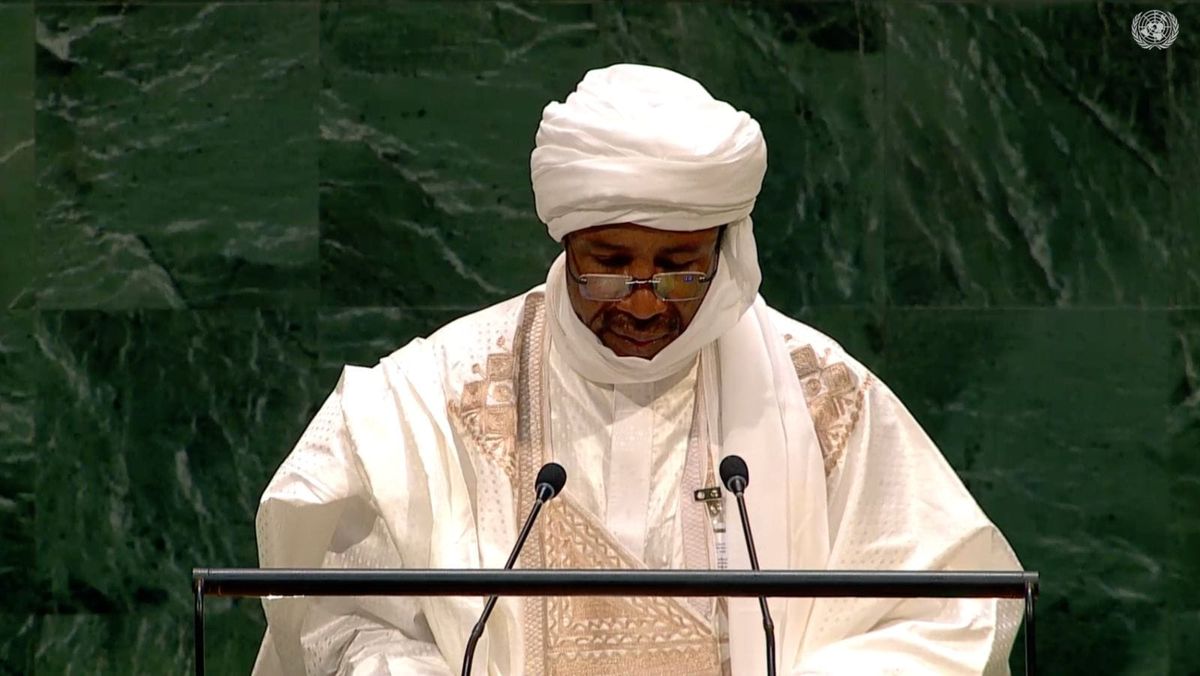
Chad’s bold UN speech reveals hidden pressures behind Ennedi-Est airstrikes response
The Chadian delegation’s address at the 81st UN General Assembly did more than declare its stance—it laid bare the unseen tensions driving N’Djamena’s unusually forceful […]

Burkina Faso and Bénin strengthen ties with focus on security and trade
The President of Faso, Captain Ibrahim Traoré, welcomed his Béninois counterpart, Romuald Wadagni, in Ouagadougou for an official visit centered on revitalizing bilateral relations. The […]