Gabon’s new diplomatic push: turning visits into economic gains
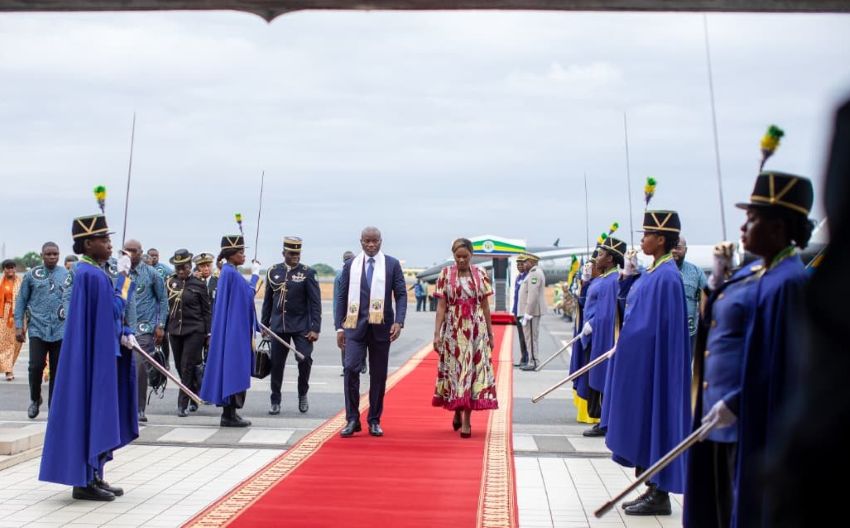
Libreville, Saturday, August 8, 2026 — From July 27 to August 7, 2026, President Brice Clotaire Oligui Nguema embarked on an extensive African tour with a mission that went beyond traditional diplomacy. His return to Libreville on Friday marks the beginning of a more critical phase for Gabon.
The success of this diplomatic journey won’t be measured by the number of meetings held, but by its ability to translate commitments into tangible investments, infrastructure projects, job creation, and new economic opportunities for Gabon.
Diplomacy with tangible outcomes
The tour was packed with high-level political discussions, but also focused heavily on practical sectors: infrastructure, energy, agriculture, vocational training, trade, and foreign investment. This shift signals a fundamental change in Gabon’s foreign policy approach—moving from mere representation to becoming a direct tool for economic transformation.
The visit to Côte d’Ivoire exemplifies this strategy. In Abidjan, the Gabonese president toured industrial and urban projects, inspected key infrastructure, and engaged with business leaders likely to invest in Gabon. Meetings with major groups like NSIA and Aurion Capital underscored the country’s focus on energy and investment partnerships.
This approach aligns perfectly with Gabon’s goals. To diversify its economy and maximize its resource potential, diplomacy must be inseparable from the pursuit of capital, technology, expertise, and market access. The presidential trip served not only to strengthen state-to-state relations but also to position Gabon as an attractive business destination.
From African solidarity to economic interdependence
The message conveyed during the tour reflects a broader vision: Gabon’s role in continental integration based on mutual economic interests. Côte d’Ivoire serves as a compelling case study—demonstrating how proactive policies in infrastructure, industrialization, and private sector mobilization can reshape a nation’s economic influence in its region.
By examining Côte d’Ivoire’s factories, major construction projects, mobility systems, and urban development, Oligui Nguema wasn’t just going through the motions. He was seeking actionable insights to inform Gabon’s own policy decisions.
This approach redefines the relationship between Libreville and Abidjan. Cooperation is no longer just about diplomatic goodwill; it’s becoming a space for learning, financing, industrial partnerships, and skills transfer.
The same principle applies to other agreements secured during the tour. Whether in agriculture, energy, infrastructure, or education, real impact will only come when these political promises move from paper to implementation.
The test of results begins now
The president’s return to Libreville doesn’t signal the end of the diplomatic effort—it marks the start of its evaluation. A results-driven foreign policy can’t be judged by handshakes and signed memoranda. Its true measure lies in concrete outcomes: How many investments will materialize? How many jobs will be created? Which projects will break ground? What technologies will be transferred? Which new markets will open for Gabonese businesses?
This is where the presidency’s attention must now focus. The tour has strengthened Gabon’s diplomatic positioning and opened new cooperation avenues. But ambitious foreign policy only becomes transformative when it impacts the real economy and daily life.
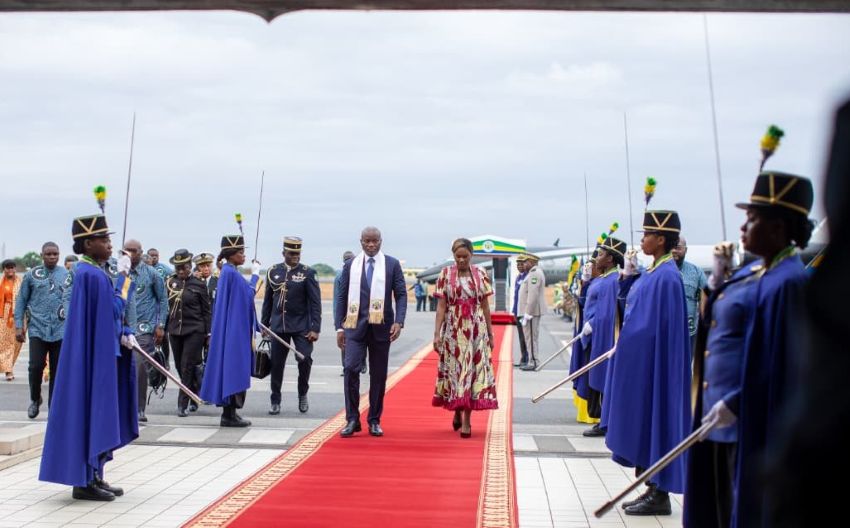
The image of the president wearing the white sash emblazoned with Gabon’s coat of arms during the tour symbolizes the blend of national identity and continental engagement. Yet symbols alone won’t suffice.
The next chapter in this diplomatic strategy may be measured less by kilometers traveled than by projects completed. Gabon now has a diplomatic window to attract partners, negotiate investments, and learn from successful African experiences. The real test will be whether this new approach can evolve from vision into an engine of economic transformation.
The challenge is clear: to make diplomacy not just a showcase for Gabon, but one of its primary drivers of development.