The abrupt detention of nurse Salomay Bafoh Awiti has sent shockwaves through Ghana’s political and judicial landscape, unraveling the façade of a nation proud of its democratic credentials and adherence to the rule of law.
Behind the Night Raid: state power and human consequence
At approximately 11:00 p.m. on a recent Saturday, heavily armed security operatives stormed the home of Salomay Bafoh Awiti, a registered nurse serving at the Abetifi hospital in Techiman. Under the cloak of a vaguely defined investigation into alleged Mobile Money fraud and the online circulation of what authorities deemed “offensive” content, Awiti was forcibly removed from her residence in handcuffs, leaving behind three minor children aged 4 to 15 without supervision or care.
The incident did not merely violate legal procedures; it breached the most basic principles of social protection. Despite constitutional limits on pre-charge detention, Awiti was held incommunicado for over 48 hours. Efforts by her legal representative, Attorney Enoch Afoakwa, and family members to obtain information from the Ghana Police Service, the National Security Secretariat, and the Bureau of National Investigations proved futile. No institution would confirm her whereabouts, rendering her effectively disappeared.
Legal blackout: fabricated charges and constitutional erosion
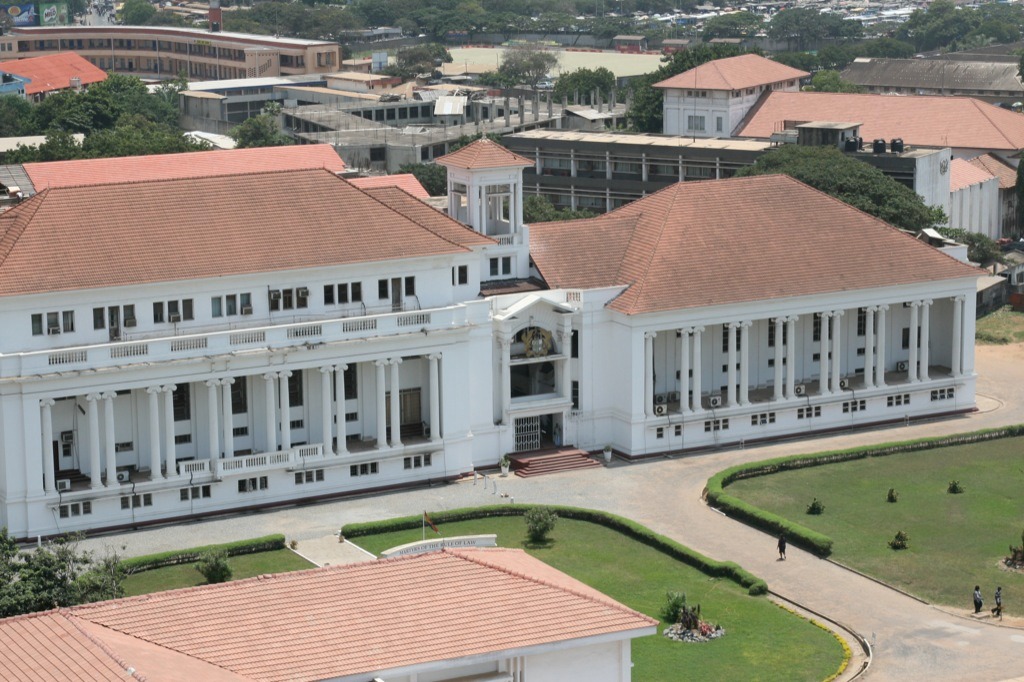
It was only after a grueling advocacy effort that Attorney Afoakwa succeeded in locating Awiti at the Criminal Investigations Department headquarters in Accra. Even then, the treatment she endured raised serious concerns. Under coercive interrogation conditions and in the absence of her legal counsel, Awiti was pressured to make statements that could incriminate her. When brought before the Circuit Court One in Accra, prosecutors introduced a sweeping allegation of a plot to overthrow the government in collusion with a nebulous online intermediary—despite no formal charge sheet being provided to the defense prior to the hearing.
Attorney Afoakwa condemned the proceedings as reminiscent of Ghana’s darkest legal chapters. “We are witnessing a systemic dismantling of constitutional safeguards,” he stated. “The state is weaponizing national security narratives to justify arbitrary detention and silence dissent.” The lack of transparency in the investigation process underscores a dangerous trend: the conflation of legitimate law enforcement with political suppression.
Parliament under pressure: the paradox of security vs. liberty
The Awiti case has ignited a fierce debate within Ghana’s Parliament, particularly among legislators from the ruling New Patriotic Party (NPP). Prominent figures such as MP Nana Agyei Baffour Awuah, a lawyer himself, now face a growing chorus of civil society and human rights organizations demanding accountability. While some officials argue that uncompromising security measures are necessary to protect the state, others warn that the erosion of due process risks undermining public faith in institutions.
As protests swell from medical professionals and civil liberties groups, the court has adjourned proceedings to allow prosecutors to produce tangible evidence. This case has transcended the personal tragedy of Salomay Awiti and become a defining test for Ghana’s democracy: will it resist the slide toward state-backed coercion, or surrender to the logic of unchecked security power?
What’s at stake: the cost of silence on state overreach
The affair exposes deeper structural flaws in Ghana’s security apparatus. Secret detentions, delayed access to legal representation, and the use of vague national security justifications signal a worrying normalization of authoritarian tactics within democratic institutions. For families like Awiti’s—caught in the crossfire of state action—the consequences are immediate and devastating. Abandoned children, traumatized communities, and a growing perception of injustice erode the very trust that underpins national cohesion.
Attorney Afoakwa has vowed to challenge the legality of Awiti’s detention through constitutional petitions, arguing that her treatment violates both domestic law and Ghana’s international human rights obligations. “This is not just about one nurse,” he asserts. “It is about whether Ghana will remain a beacon of democratic resilience or succumb to the shadows of state-sanctioned repression.”