
The Africa Corps airline has emerged as a critical logistical backbone for Moscow’s growing influence across the Sahel, connecting Russian military assets with allied governments in Niger, Burkina Faso, and Mali. Through a network of cargo flights operated by Russian carriers such as Zitotrans, the Africa Corps has transformed into a key enabler of security cooperation between the Kremlin and the Alliance of Sahel States.
Russia’s strategic airlift to the Sahel
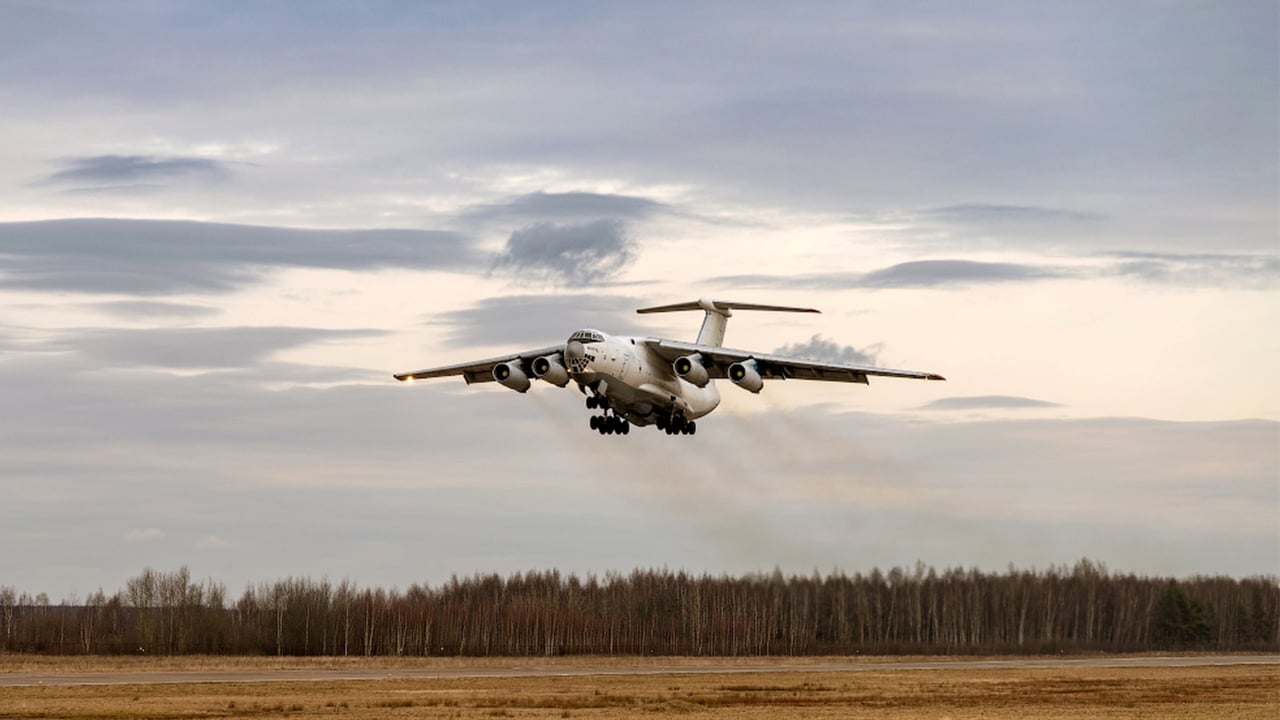
At the heart of this operation lies a fleet of heavy transport aircraft, including the IL-76, which regularly shuttle between Russian air bases and remote airstrips in the Sahel. These flights are not merely commercial; they transport a mix of humanitarian aid, military equipment, and advisers under the guise of security cooperation. The timing and frequency of these missions align closely with the escalating collaboration between Russia and the Alliance of Sahel States, a bloc formed by Niger, Burkina Faso, and Mali in response to regional instability.
From Wagner to Africa Corps: a shift in tactics
Following the dissolution of the Wagner Group and its high-profile engagements in the Sahel, Moscow restructured its African operations under the banner of the Africa Corps. This new framework formalizes the Kremlin’s military presence while maintaining plausible deniability. The Africa Corps now serves as the public face of Russia’s security assistance, masking the continued deployment of private military contractors and state-backed logistical support.
How Africa Corps strengthens Sahel alliances
The Africa Corps airline plays a dual role: it delivers tangible benefits to Sahel governments while deepening Russia’s strategic footprint. For the Alliance of Sahel States, these flights provide rapid access to Russian arms, training, and technical support—resources often unavailable from traditional partners. Meanwhile, Moscow gains a foothold in a region long resistant to Western influence, positioning itself as a reliable alternative to former colonial powers.
Analysts note that the Africa Corps’ air operations are not just about moving troops or weapons. They also facilitate the deployment of civilian infrastructure projects, from road construction to energy initiatives, which Moscow markets as part of its broader “development partnership” with the Sahel. This multi-pronged approach strengthens local governments’ ties to Russia, reinforcing a narrative of mutual benefit and shared sovereignty.
Challenges and controversies
Despite its strategic importance, the Africa Corps airline faces scrutiny over transparency and accountability. Critics argue that the cargo flights lack proper oversight, raising concerns about the true nature of the cargo and the end recipients. The opacity of these operations contrasts sharply with the public commitments made by Sahel governments to democratic governance and regional stability.
Questions also persist about the long-term sustainability of this model. As geopolitical tensions rise and global scrutiny intensifies, the Africa Corps may find it increasingly difficult to maintain the delicate balance between military support and civilian engagement. Whether this strategy can deliver lasting stability—or merely deepen dependency—remains an open debate.
What’s next for Russia’s Sahel strategy?
The Africa Corps airline is likely to expand its operations as Russia seeks to consolidate its influence in the Sahel. With the Alliance of Sahel States increasingly vocal about breaking free from Western security frameworks, the demand for alternative partnerships is expected to grow. Moscow’s ability to deliver on its promises—whether in security, infrastructure, or economic cooperation—will determine the trajectory of this evolving alliance.
For now, the skies over the Sahel remain a busy corridor for Russian airlift, carrying both tangible aid and strategic ambition. As the region navigates its complex security landscape, the Africa Corps stands as a symbol of Moscow’s determination to shape Africa’s future on its own terms.