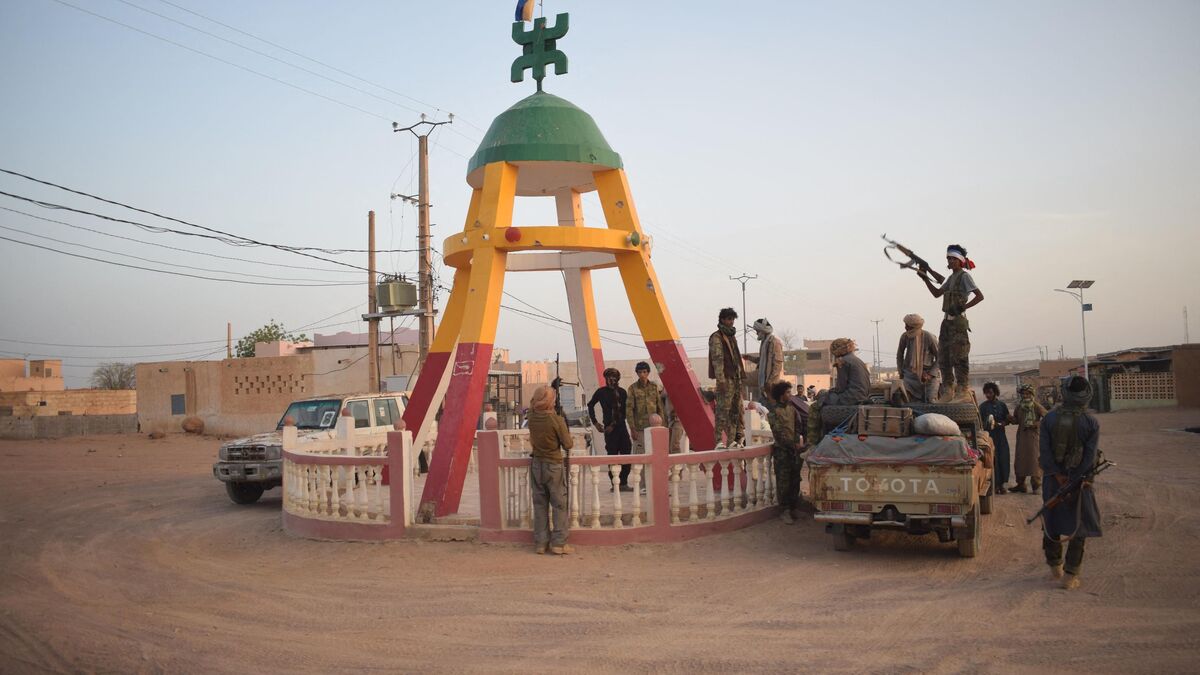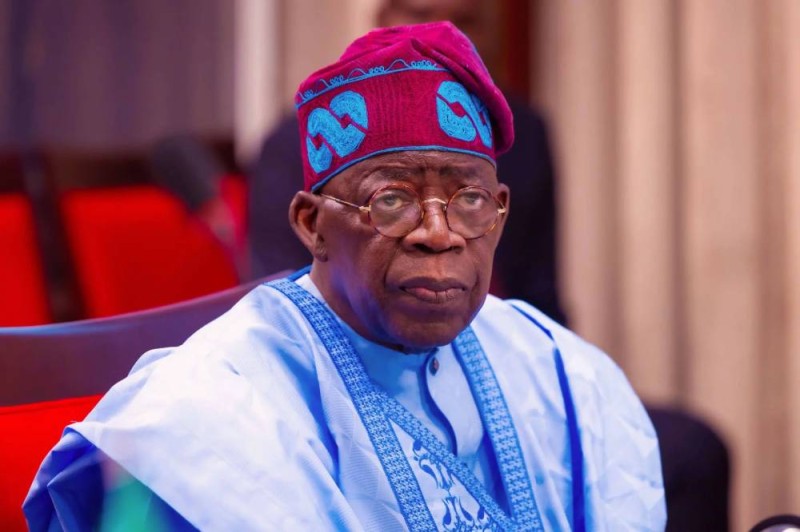
The Nigerian government’s security strategy faces intense pressure as kidnapping surges in the north and diplomatic tensions flare with the Alliance of Sahel States (AES). During a July 30 meeting with traditional leaders in Abuja, President Bola Ahmed Tinubu directly linked a portion of the violence engulfing northern Nigeria to armed groups crossing from neighboring countries. This assessment prompted swift criticism from the AES, with Burkina Faso’s foreign minister, Karamoko Jean-Marie Traoré, issuing a formal response on August 7. Traoré underscored in a public statement that the four member states—Burkina Faso, Mali, Niger and Nigeria—”share a common adversary,” signaling that cross-border threats demand a unified response rather than unilateral accusations.
Unrelenting violence and mass abductions
Security operations in early August revealed the grim scale of the crisis. In a coordinated sweep across the dense forests of Kainji Lake National Park, Nigerian troops rescued over 300 hostages, including residents of Woro in Kwara State and multiple victims seized in Niger State. The rescue followed a spate of recent abductions, notably in Zamfara State, where at least 52 people—including children—were kidnapped from Kasuwar Daji village in late July, according to local accounts.
The north-west, north-centre and north-east regions remain hotspots where armed banditry, jihadist factions and ransom-driven kidnappings thrive amid porous borders. Despite repeated assurances from Abuja about improved coordination between the military, federal police, intelligence services and counter-terrorism units, the frequency of abductions continues to erode public trust in national security efforts.
State police reform: a double-edged sword
In response to these challenges, President Tinubu has championed a sweeping police reform bill recently approved by the House of Representatives. The legislation introduces a dual policing system: a retained federal police force to handle national threats and separate state-level police services tasked with responding to localized security risks. Advocates argue that closer proximity to communities will enable faster interventions, deeper intelligence gathering and more effective responses to kidnappings and armed assaults.
However, the proposal has sparked debate. Critics warn that empowering state governors—already under scrutiny for security failures—could lead to political interference, power abuses or operational conflicts between federal and state forces. To prevent such risks, strict oversight mechanisms will be essential to ensure accountability and maintain cohesion across Nigeria’s complex security architecture.
Toward regional cooperation or escalating blame?
The AES’s public rebuttal highlights a broader dilemma: while Abuja pursues structural reforms to bolster domestic security, the crisis underscores the futility of isolated responses. Militant groups operating across the Sahel exploit weaknesses in national defenses and porous borders with fluid ease. This reality demands not only stronger policing at home but also deeper cross-border collaboration to dismantle the networks fueling violence and abductions.
The path forward must reconcile decentralized policing with unified regional action. Without it, Nigeria risks remaining trapped in a cycle of reactive measures, where security gains in one area are swiftly undermined by the adaptability of hostile forces.