The Fragile Mandate: Why Netanyahu’s Victory Falls Short Of Stability
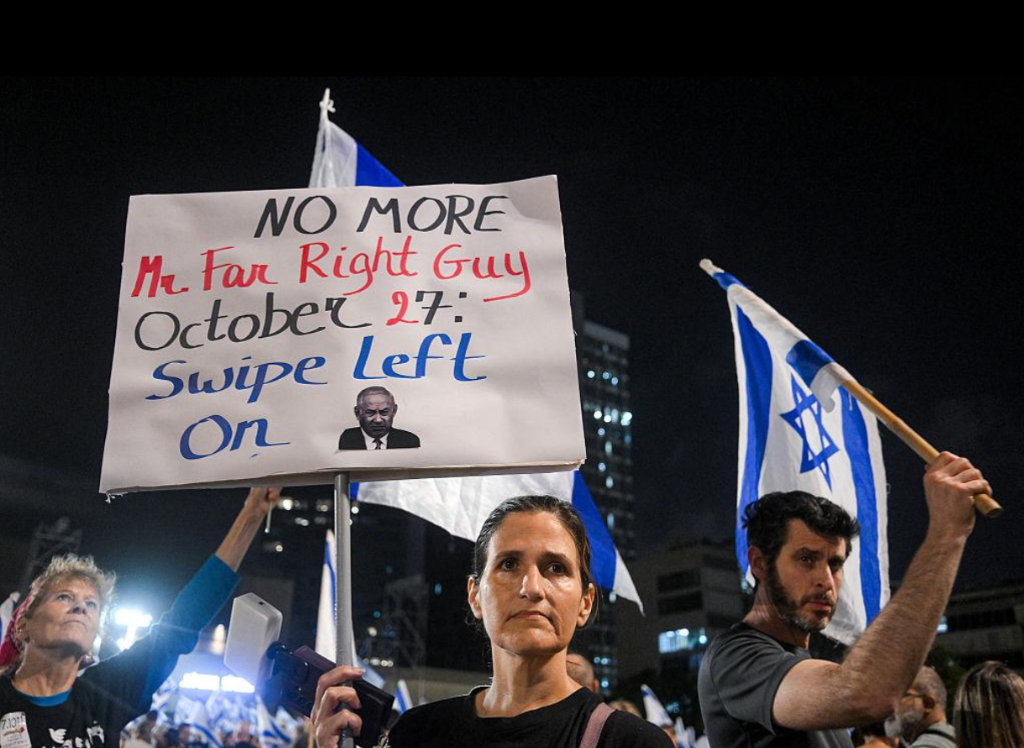
Benjamin Netanyahu secured the most seats in Israel’s 2026 legislative elections, yet his 53-seat bloc falls far short of the 61 required for a parliamentary majority. The opposition, led by Gadi Eisenkot, holds 48 seats, while Arab parties—including the Joint List and Ra’am—garner 19 seats, a historic high. This fragmented outcome has plunged Israeli politics into uncharted territory, with implications stretching from Gaza to Iran and beyond.
Parliamentary Deadlock: What Happens Next?
Netanyahu’s Likud party remains the largest single bloc with 27 seats, but this is a sharp decline from its previous 68-seat majority. The inability to reach 61 seats forces a reckoning: will Israel see a unity government, a minority coalition, or return to the polls? The Arab parties’ 19 seats could prove pivotal, yet deep-seated reluctance among Zionist factions to partner with them complicates negotiations.
- Government formation limbo: Without a clear majority, every alliance—whether with traditional partners or opposition forces—becomes a high-stakes gamble.
- Policy paralysis risks: A weak government may struggle to pass critical legislation, leaving key issues unresolved.
- Possible scenarios: New elections remain on the table if coalition talks collapse.
Gaza’s Shadow: Security And Reconstruction Hanging In The Balance
The next government’s stance on Gaza will define Israel’s immediate priorities. Reconstruction efforts, security guarantees, and Palestinian governance hinge on whether Netanyahu retains power or if an alternative coalition emerges. Nationalist factions in his camp push for a hardline approach, while opposition voices hint at potential diplomatic shifts. Yet, divisions run deep—even within opposition ranks—on Hamas engagement, territorial concessions, and Palestinian statehood.
For Palestinians, the election outcome offers little immediate relief. The fractured Knesset means progress on Gaza or the West Bank will depend on fragile alliances, not electoral promises.
Israel’s Strategic Dilemma: Iran And Lebanon At The Forefront
The looming threat from Iran remains a unifying force in Israeli politics, but a weakened government risks diluting its response. Tehran’s nuclear ambitions, ballistic missile programs, and regional proxy support continue to destabilize the Middle East. Meanwhile, Lebanon’s Hezbollah presents another flashpoint, where military escalation could trigger humanitarian and economic crises.
Regional Allies And Adversaries Hold Their Breath
The U.S. watches closely, balancing its military and strategic alliance with Israel against growing divergences on Gaza, military actions, and regional de-escalation. Arab capitals—Egypt, Jordan, Saudi Arabia, and the UAE—also eye the situation cautiously. For Riyadh, normalization with Israel remains a strategic goal, but its success is tied to Palestinian statehood and regional stability. A divided Israeli government could slow diplomatic momentum, while a more flexible coalition might open unexpected dialogue channels.
A Nation Divided: What The Election Reveals About Israel’s Future
Beyond Netanyahu’s lead, the 2026 elections expose Israel’s deep societal fractures—on security, governance, religion, and national identity. The rise of Arab parties, the erosion of traditional blocs, and the absence of a clear mandate signal a turning point. Three paths lie ahead:
- A Netanyahu-led coalition: Built on uneasy alliances with nationalist or opposition factions.
- A surprise government shift: An opposition coalition exploiting the parliamentary arithmetic.
- Another round of elections: If negotiations stall amid mistrust and competing priorities.
The stakes couldn’t be higher. Gaza’s future, Iran’s aggression, and Arab-Israeli relations all hang in the balance. Israel’s voters have spoken, but their message is one of uncertainty—a clear victory that grants no real power.
Geopolitical Aftershocks: How Israel’s Political Crisis Ripples Across The Middle East
In a region where Israel’s decisions reverberate globally, a hung parliament isn’t just a domestic issue. It could embolden adversaries, delay peace efforts, or force unexpected realignments. Whether through continuity or change, the next government’s choices will shape the Middle East’s trajectory for years to come.