As political tensions between Ivory Coast and Mali simmer in the background, the two nations now face a critical moment in their shared battle against terrorism. The arrival of Ivory Coast’s top intelligence official in Bamako this week has set the stage for intense discussions on security cooperation—with public reactions already shaping the debate over what this rapprochement could mean for West Africa’s future.
Why this intelligence chief’s Bamako visit matters now
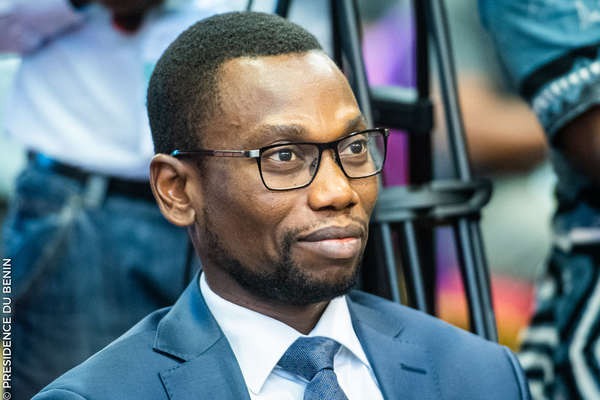
The three-day working visit by Vassiriki Traoré, director general of Ivory Coast’s intelligence services, follows an official invitation from his Malian counterpart, Modibo Koné. While the summit’s stated goal is to strengthen cross-border security measures, the timing—amid ongoing geopolitical friction—has amplified scrutiny over whether this gesture will translate into tangible progress or remain symbolic.
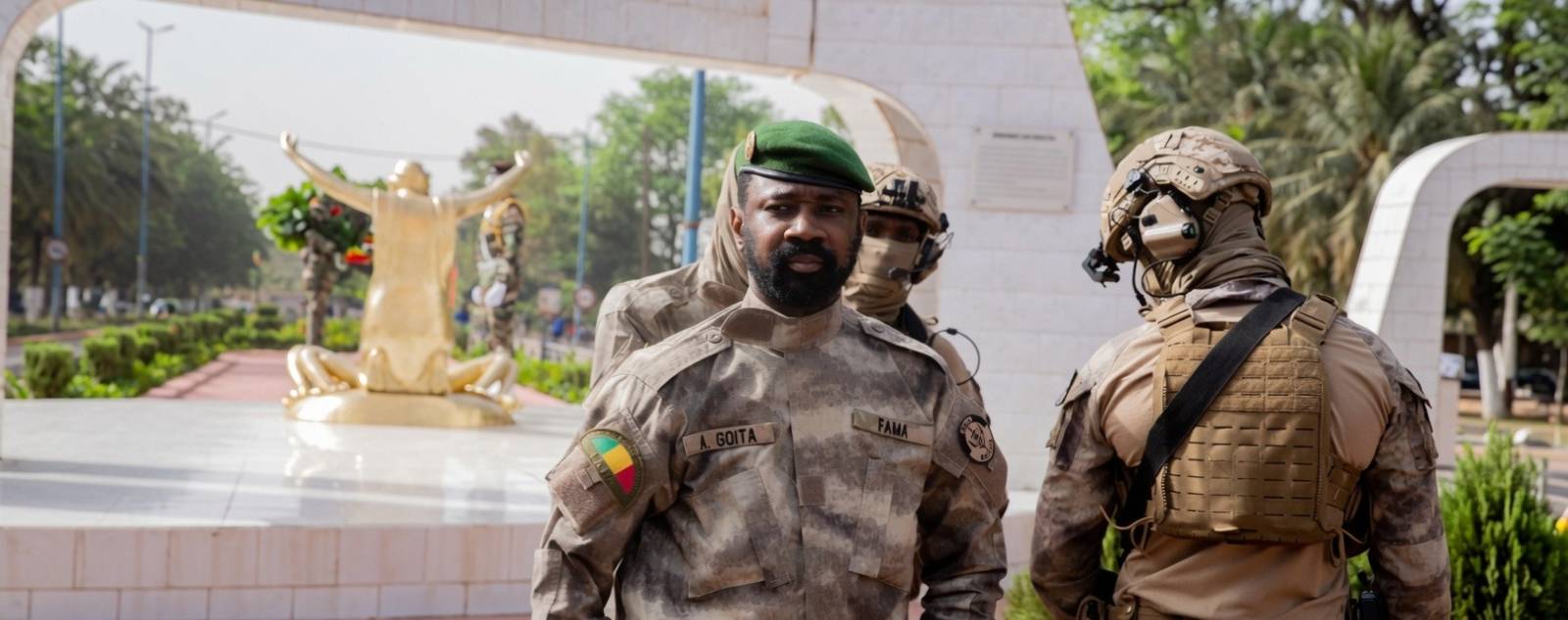
Ivory Coast and Mali have grappled with strained diplomatic ties since Mali’s military leadership took power in 2020. Clashes over foreign policy, historical alliances, and even military deployments have widened the rift between Abidjan and Bamako. The 2022 arrest of 49 Ivorian soldiers—initially accused of mercenary activities before receiving a presidential pardon—exemplified the depth of these divisions.
Public and political fallout: How stakeholders are responding
Analysts warn that public skepticism could undermine any breakthroughs. Opposition figures in both countries have framed the visit as either a pragmatic step toward regional stability or a desperate compromise amid worsening security threats. Meanwhile, civil society groups in Ivory Coast have called for transparency, questioning whether the intelligence-sharing agreements proposed will actually address longstanding mutual mistrust.
Terrorism threats: The unspoken urgency driving talks
While political disagreements dominate headlines, the looming shadow of jihadist insurgencies unites both nations’ security priorities. Mali continues to battle armed factions linked to Al-Qaeda and ISIS in its central and northern regions, while Ivory Coast has fortified its northern border areas after a series of incursions.
Experts stress that effective intelligence collaboration could enhance early warning systems, disrupt militant supply chains, and improve joint patrols along porous borders. Yet, the success of such efforts hinges on overcoming lingering animosities—starting with mistrust fostered by past incidents like the 2022 military standoff.
Key areas likely discussed during the visit
- Cross-border data sharing: Standardizing intelligence reports on armed groups operating near common borders.
- Joint counterterrorism operations: Coordinating patrols and surveillance in high-risk zones.
- Border security protocols: Streamlining visa checks and entry/exit tracking to curb militant movements.
- Human rights safeguards: Ensuring intelligence-led operations comply with international law amid accusations of abuses in Mali’s conflict zones.
What comes next? Assessing the potential outcomes
The trajectory of Ivory Coast-Mali relations now depends on whether this visit sparks a cycle of confidence-building or gets bogged down in old grievances. Skeptics argue that without concrete trust-measures—such as prisoner swaps or joint investigations into past incidents—any dialogue risks remaining superficial.
On the other hand, proponents point to recent shifts in regional alliances, including Ivory Coast’s growing role as a mediator in ECOWAS negotiations, as evidence that both nations may prioritize pragmatic solutions over prolonged hostility.
For now, all eyes are on Bamako, where the next chapter of West Africa’s security dynamics could be written—or left unwritten.